
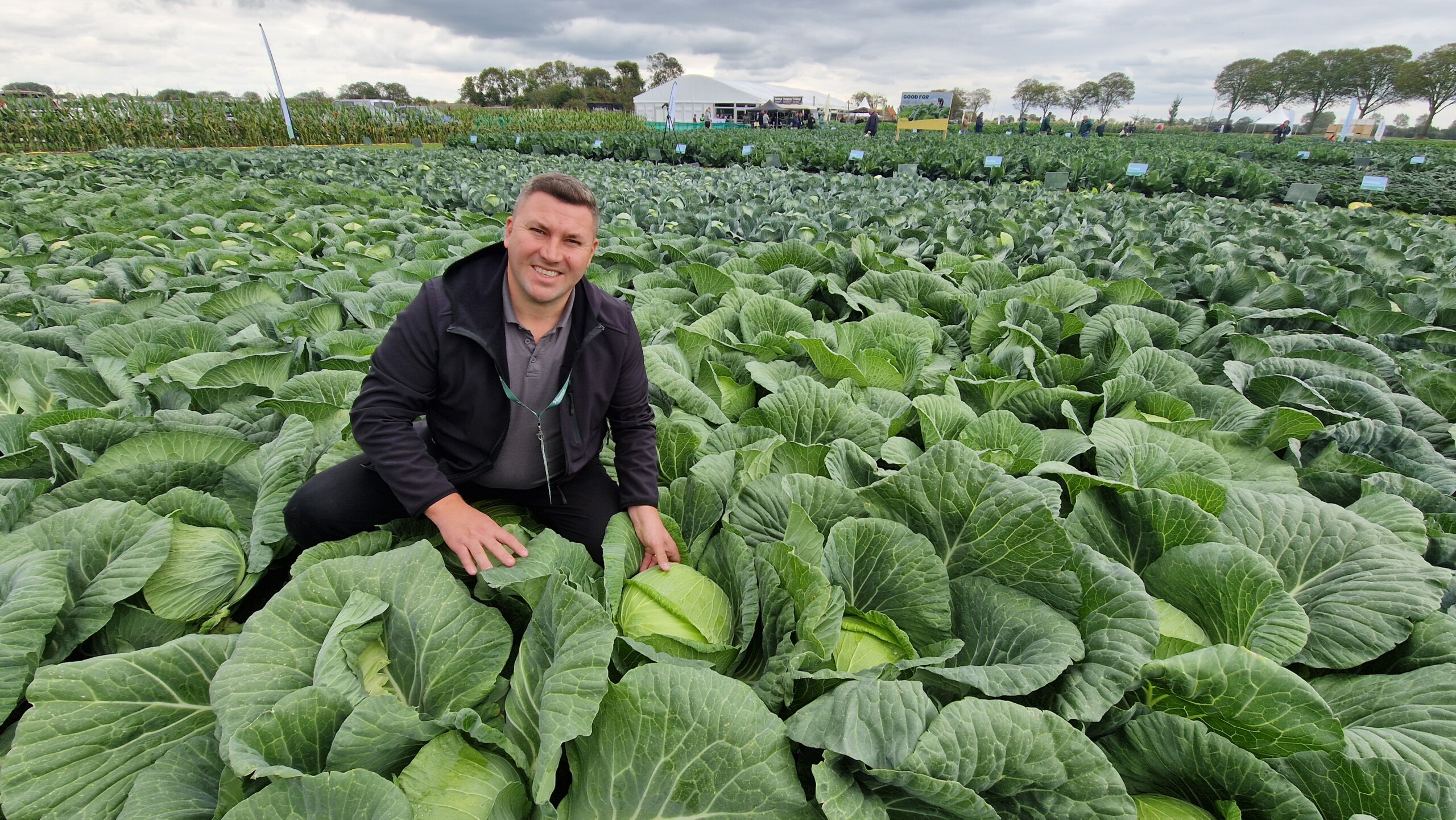
Voices from the field: Ipatioaie Costel reflects on 16 years with Hazera

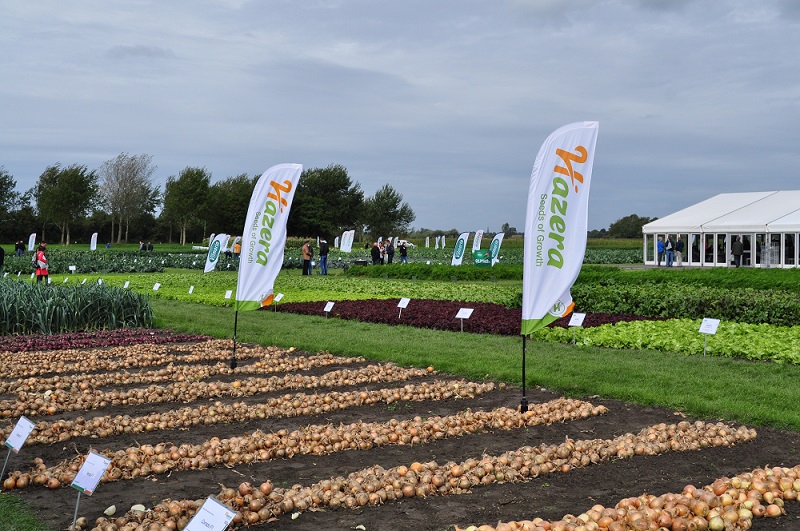
Hazera held its International Open Days from September 24th to 26th, welcoming hundreds of customers from all over the world. During the event, visitors had the opportunity to “connect their senses” by touching and tasting a wide range of Hazera varieties at the fields and on displays, while also hearing insights from our crop experts about key highlights.


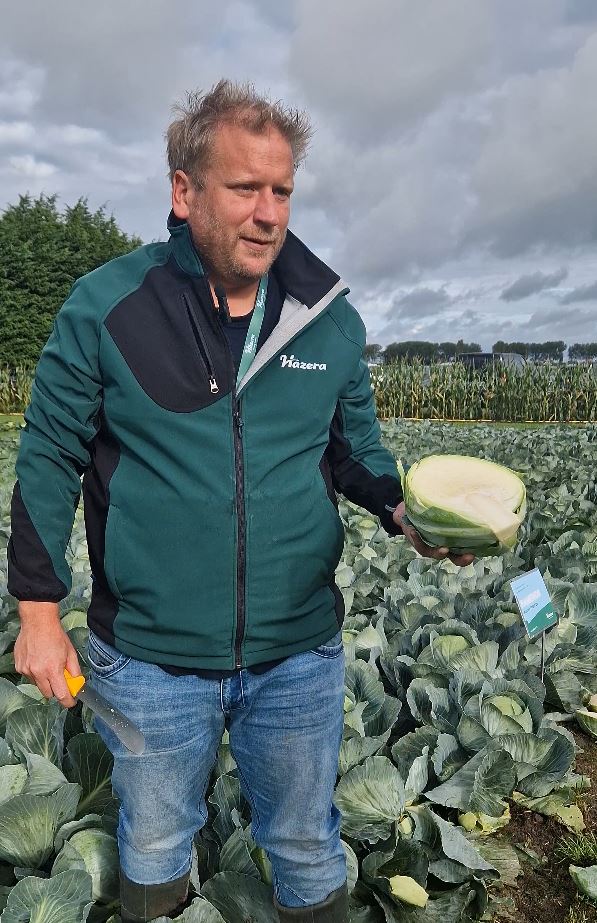
We had the pleasure of speaking with one of our customers attending the event, Ipatioaie Costel, the sales representative for Adri Prodcom in eastern Romania. With over 16 years of experience working with Hazera, Ipatioaie primarily focuses on tomatoes and cabbage, while also dealing with radishes, peppers, and watermelons.

The conversation began with a discussion of the challenges currently facing the agricultural industry. According to Ipatioaie, the biggest hurdle is adapting to the rapidly shifting market demands. He emphasized the importance of understanding growers’ needs, developing strategies to meet them, and introducing innovative products while maintaining a competitive edge. “None of this is possible,” he noted, “without quality seeds, high-yielding varieties, fair pricing, and strong grower support.”
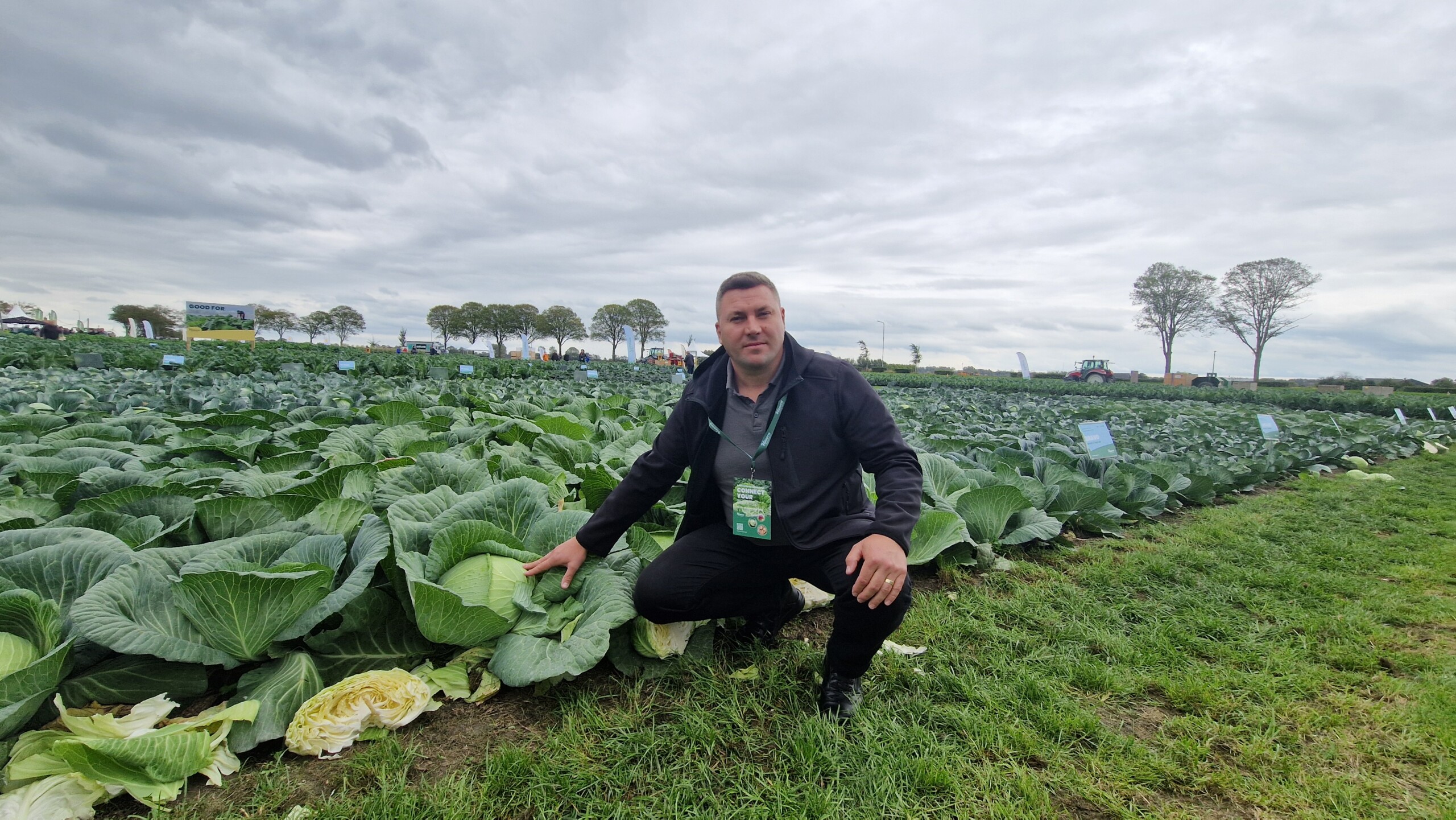
When asked about Hazera’s ability to respond to these market changes, Ipatioaie highlighted the strong collaboration between his team and Hazera. “This partnership allows us to take the necessary steps to overcome challenges. We work together to identify what is important—finding new, quality varieties for the market. It is a step-by-step process. First, we assess the market and competition, then work with Hazera to conduct trials, evaluate the results, and decide if a variety is suitable. This takes time—patience is key, especially since some varieties respond to market needs faster than others.”

Reflecting on his long-standing partnership with us, Ipatioaie expressed pride in the company’s consistent delivery of high-quality products, particularly tomatoes. “Hazera tomatoes are known for their taste, color, and quality,” he said. “Consumers first look for good taste, then color, and now they also want quality and high yield.” He described the balance between taste, resistance, and transportability as like a chess game, where you must prioritize traits based on market demand.

Ipatioaie thought that Hazera’s slogan, “Growing Together,” is both meaningful and fitting. “It is a powerful message,” he remarked. “Working together is essential for success, and this slogan perfectly reflects the shared commitment in the whole industry.”

For Ipatioaie, the most rewarding part of his job is engaging with growers, understanding their challenges, and providing solutions that truly make a difference. “That’s the best part—offering quality solutions after listening to their needs. To do this successfully, you need strong collaboration skills. Without being close to the growers and understanding the markets, success is impossible.”

Would you like to learn more? Contact us!
More News

Innovating Cabbage Breeding: Hazera’s Brassica Excellence at the Open Days

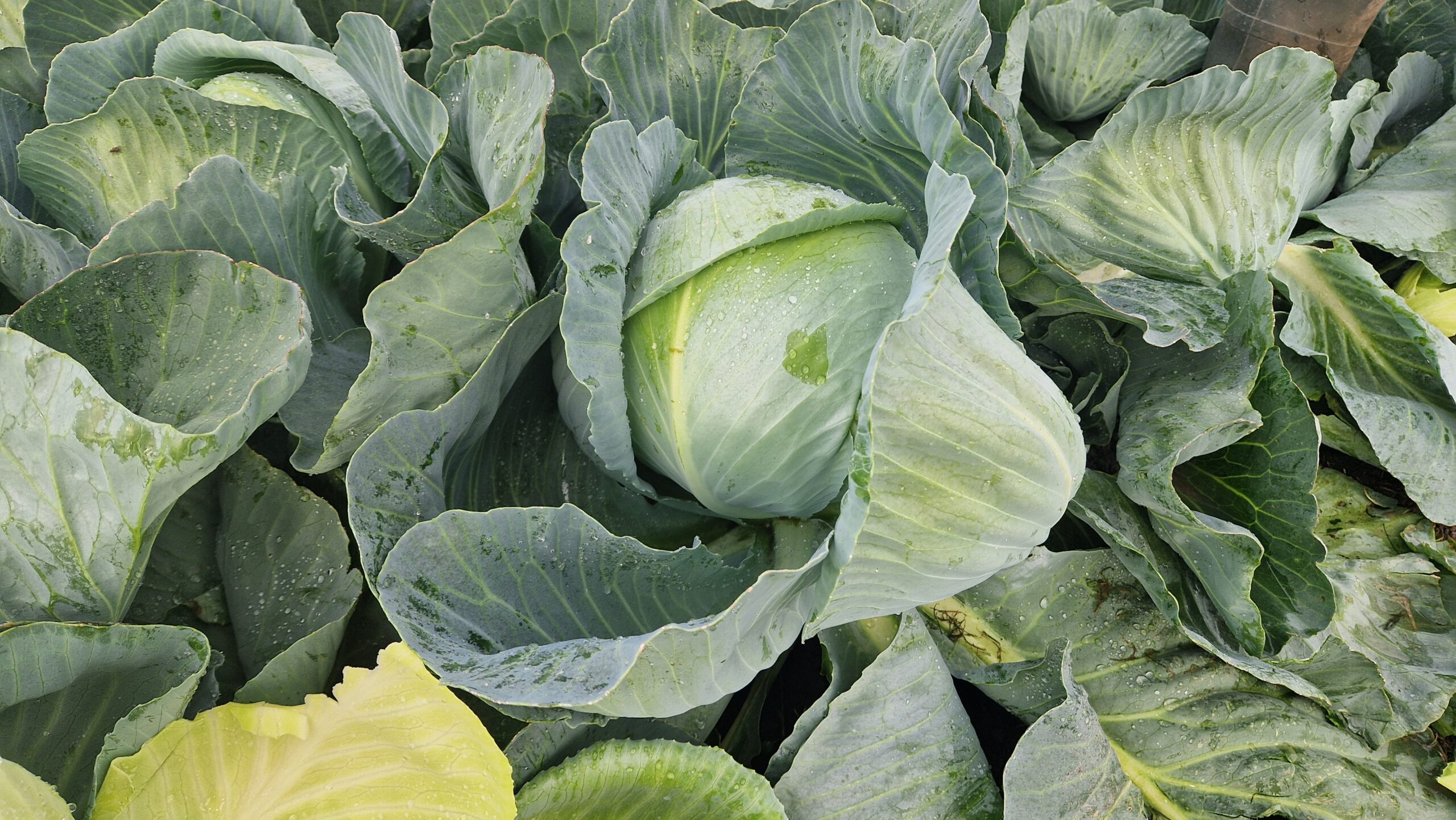
During the recent Hazera Open Days in the Netherlands, we had the opportunity to sit down with Maarten Danenberg, our Regional Product Manager for Brassica, to discuss Hazera’s continued innovations in cabbage breeding. With Brassica being a key component of Hazera’s history, it is exciting to see how we are adapting and excelling in today’s agricultural landscape.


Hazera’s Legacy in Brassica
Brassica breeding has been part of Hazera’s DNA since its origins in developing varieties tailored for Western Europe. Today, Hazera has expanded globally, offering a wide assortment of purpose-specific varieties that meet the diverse needs of different regions. As Maarten shared, the Research and Breeding teams work closely with Hazera’s global network of subsidiaries and distributors, staying updated on trends and preferences in various markets.

The Future of Sustainable Brassica Production
In light of the increasing demand for fresh produce and the pressures on natural resources, Hazera remains committed to producing high-quality, sustainable Brassica varieties. Maarten emphasized that one of Hazera’s core goals is to meet these demands without compromising the quality or nutritional value of crops like cabbage, which are known for their high yield and health benefits.

Hazera’s Leading Cabbage Varieties
One of the highlights of our conversation was learning about the specific cabbage varieties that Hazera has developed, which address different climates, consumer needs, and storage preferences.

Campbell: High-Yielding White Cabbage for Long Storage
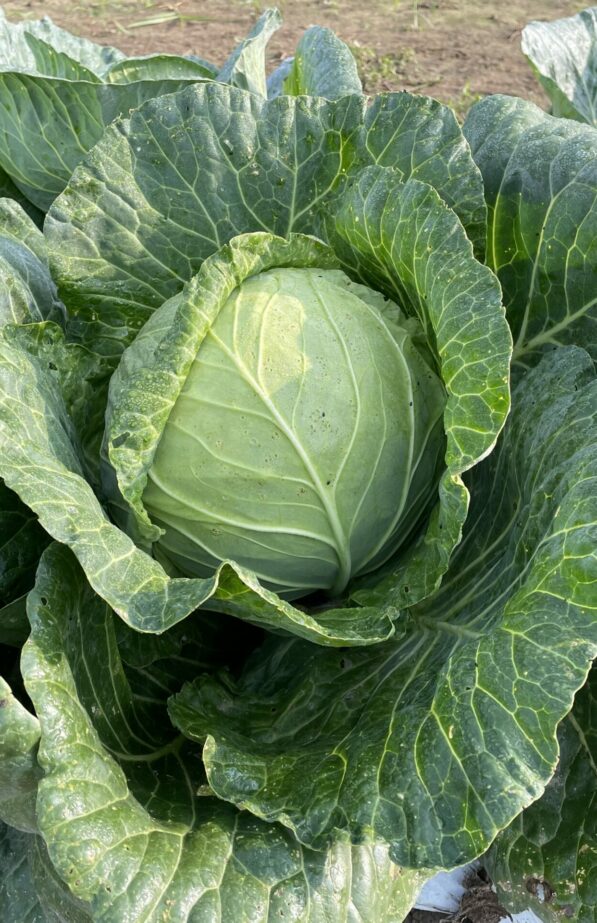
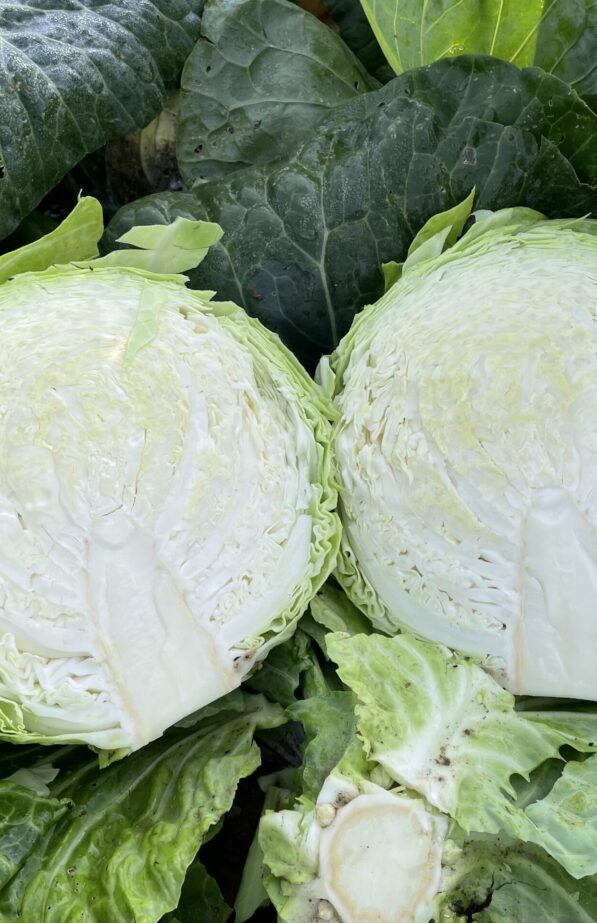
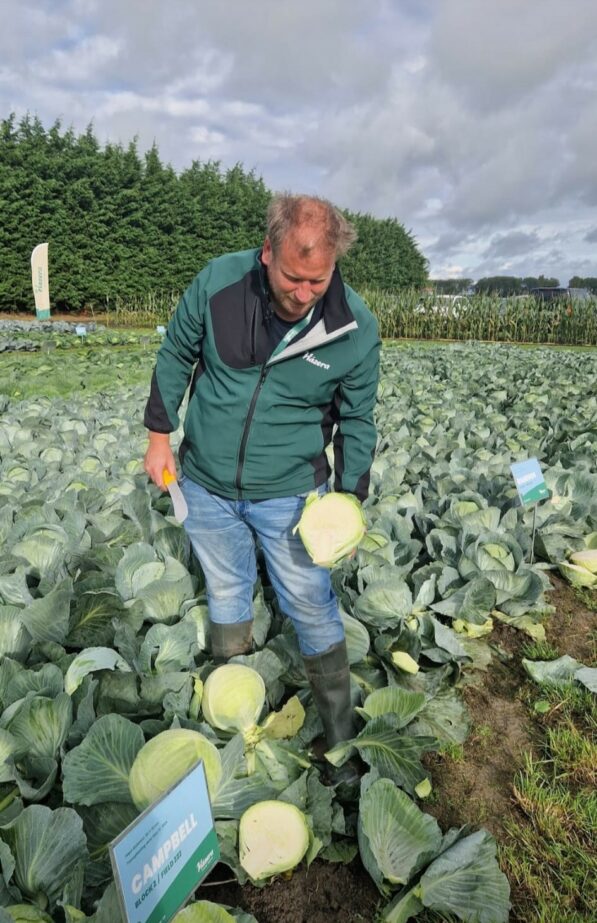
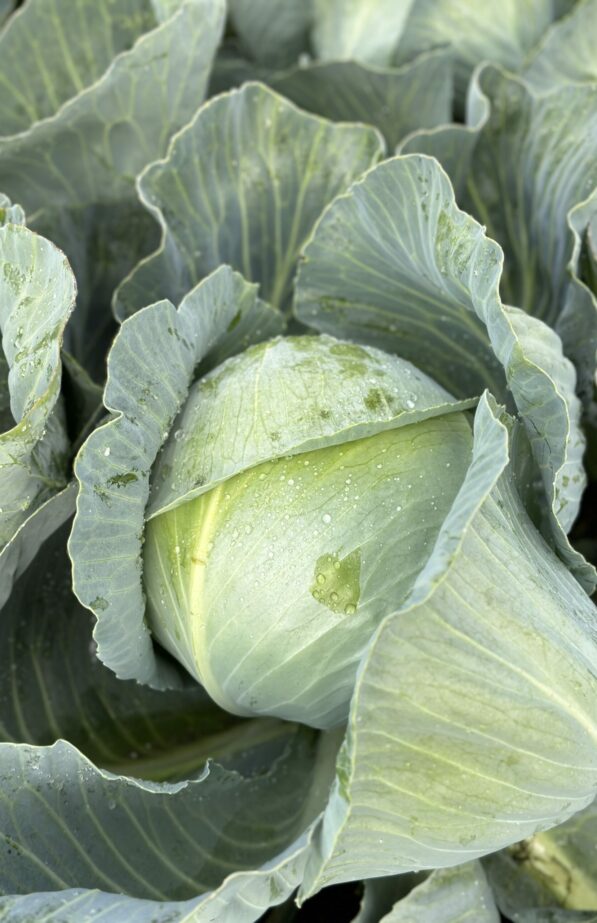
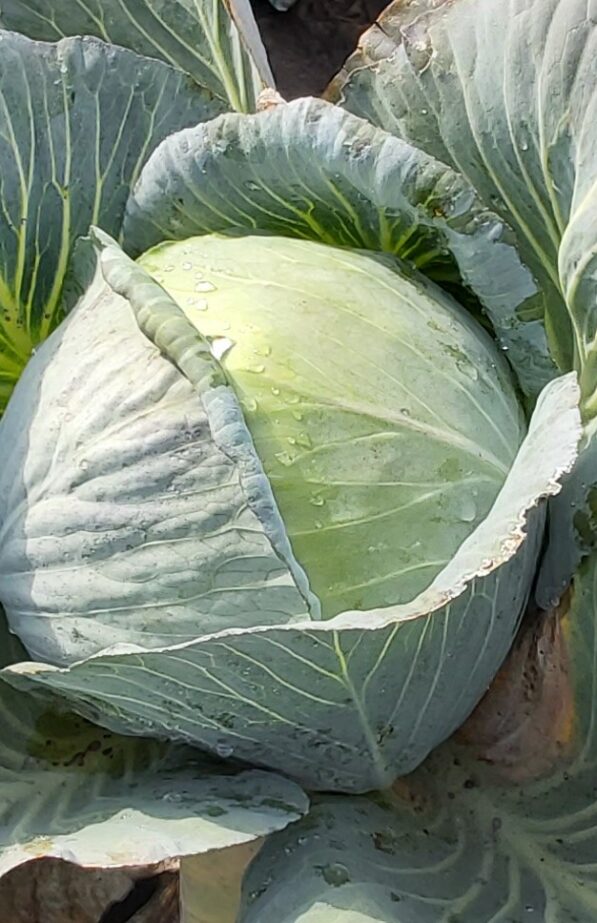
One of the standout varieties is Campbell, a high-yielding white cabbage that performs exceptionally well in continental climates. It is designed for medium to long storage and is a favorite for growers looking for robust, reliable storage cabbage.
• Maturity: 140 days
• Density: 35,000 plants per hectare
• Head size: 2.5–4 kg
• Storage: Can be stored until June
• Resistance: Strong resistance to thrips, intermediate resistance (IR) to Xanthomonas campestris (Xcc), and high resistance (HR) to Fusarium oxysporum (FoC)

Campbell’s durability makes it an ideal choice for growers seeking a high-yield cabbage that can withstand longer storage periods.

Tyson: Easy-Growing Variety for Short to Medium Storage
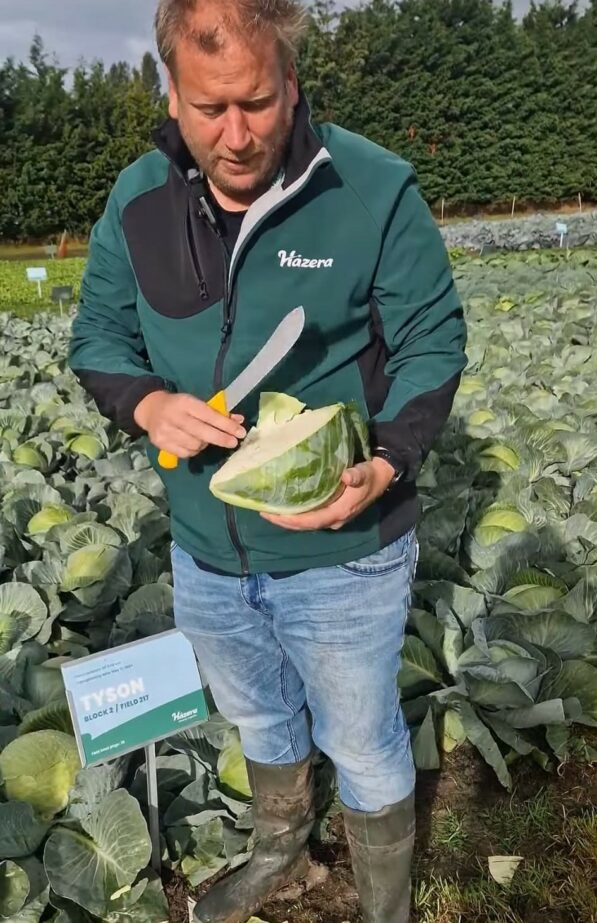
Next is Tyson, another high-yielding white cabbage variety, but tailored for shorter to medium storage. Growers appreciate Tyson for its ease of cultivation and reliable performance.
• Maturity: 110 days or more
• Usage: Designed for short to medium storage
• Notable Traits: Strong and reliable variety

Tyson is a go-to choice for growers who need a cabbage that is easy to manage while still delivering excellent yields and storage performance.

Cali: Early and Flexible White Cabbage for Fresh Market
Lastly, Cali is an early and flexible variety that performs well in both summer and autumn, offering growers excellent yield and market versatility. With uniform heads, this variety is ideal for fresh market purposes.
• Maturity: 80 growing days from transplanting to harvest
• Head size: 3–5 lbs.
• Recommended transplant density: 30,000+ plants per acre
• Traits: Well-covered, round, and attractive greenheads
• Usage: Dual purpose, with high density making it ideal for fresh market
• Resistance: High resistance (HR) to Fusarium oxysporum (FoC)

Cali’s high-density growth and attractive green heads make it a top choice for fresh market growers.

Commitment to Excellence in Brassica Breeding
As Hazera continues to lead the way in Brassica breeding, the company’s commitment to sustainability, quality, and innovation remains clear. With varieties like Campbell, Tyson, and Cali, Hazera is providing growers around the world with versatile, high-yielding cabbage crops that meet a wide range of needs. Whether it is the resilience of Campbell, the reliability of Tyson, or the flexibility of Cali, Hazera’s cabbage innovations are a testament to the https://us.hazera.com/crop/cabbage/company’s dedication to supporting the future of agriculture.

Would you like to know more? Contact us or check out out cabbage portfolio.

More News

How ToBRFV varieties changed the tomato market in Greece

Greece is recognized for its substantial consumption and production of tomatoes, both fresh and processed. This brief explores the transformative impact of Tomato Brown Rugose Fruit Virus (ToBRFV) resistant varieties on the tomato market, focusing on the pre-existing conditions, the emergence of dominant varieties, their characteristics, benefits, and the broader implications for tomato cultivation.

Let’s see what Petros Karkatselis, General Manager can tell us how the ToBRFV varieties changed the tomato market in Greece.


Market overview prior to ToBRFV resistant varieties
“Before the introduction of the ToBRFV resistant beef tomato varieties, the virus significantly affected the tomato cultivation in Greece. It caused a reduction of approximately 15% in tomato greenhouses cultivation area. This decline was attributed to the virus’s detrimental effects on both yield and fruit quality, prompting growers to shift to alternative crops, such as cucumbers and tomato mini plums, that we saw an increase in the last two years in cultivation area by over 15%.”

Which ones are the dominant varieties in the Greek market?
“Hazera introduced Thireos F1, the first ToBRFV resistant beef tomato variety in Greece, with initial plantings in spring and expanded cultivation into autumn/overwinter periods. The variety has shown promising results, with excellent yield and fruit quality, encouraging repeated cultivation among growers. Similarly, the mini plum tomato variety Lollipop has gained traction for its resistance to ToBRFV, bolstering grower confidence in tomato production free from the virus’s threats.”

What are the main benefits of these varieties?
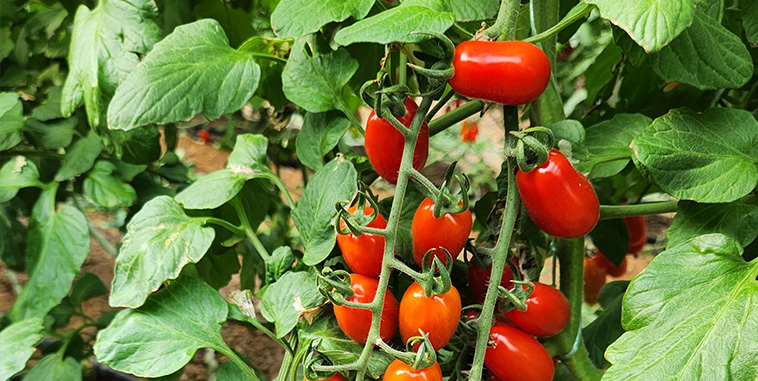
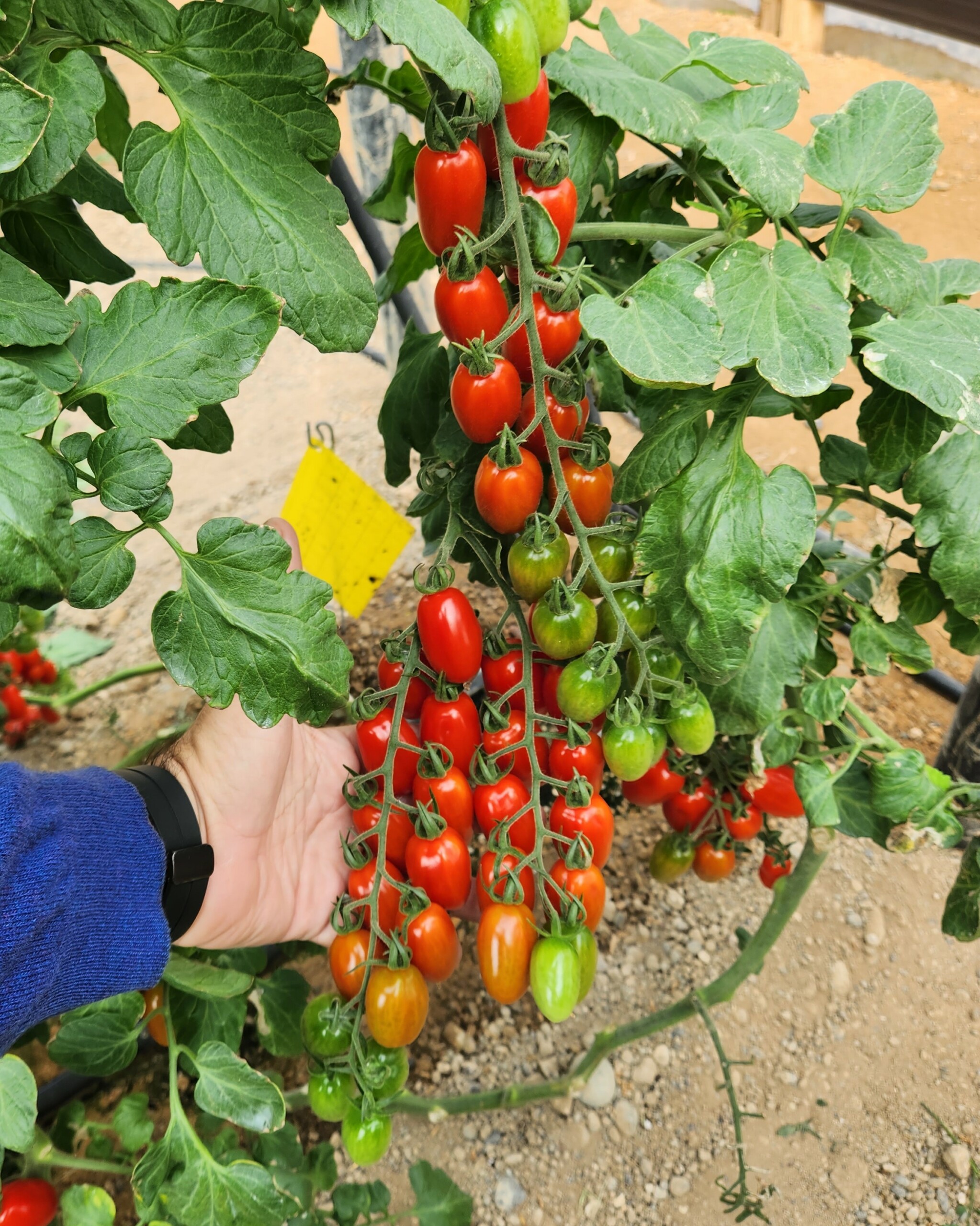
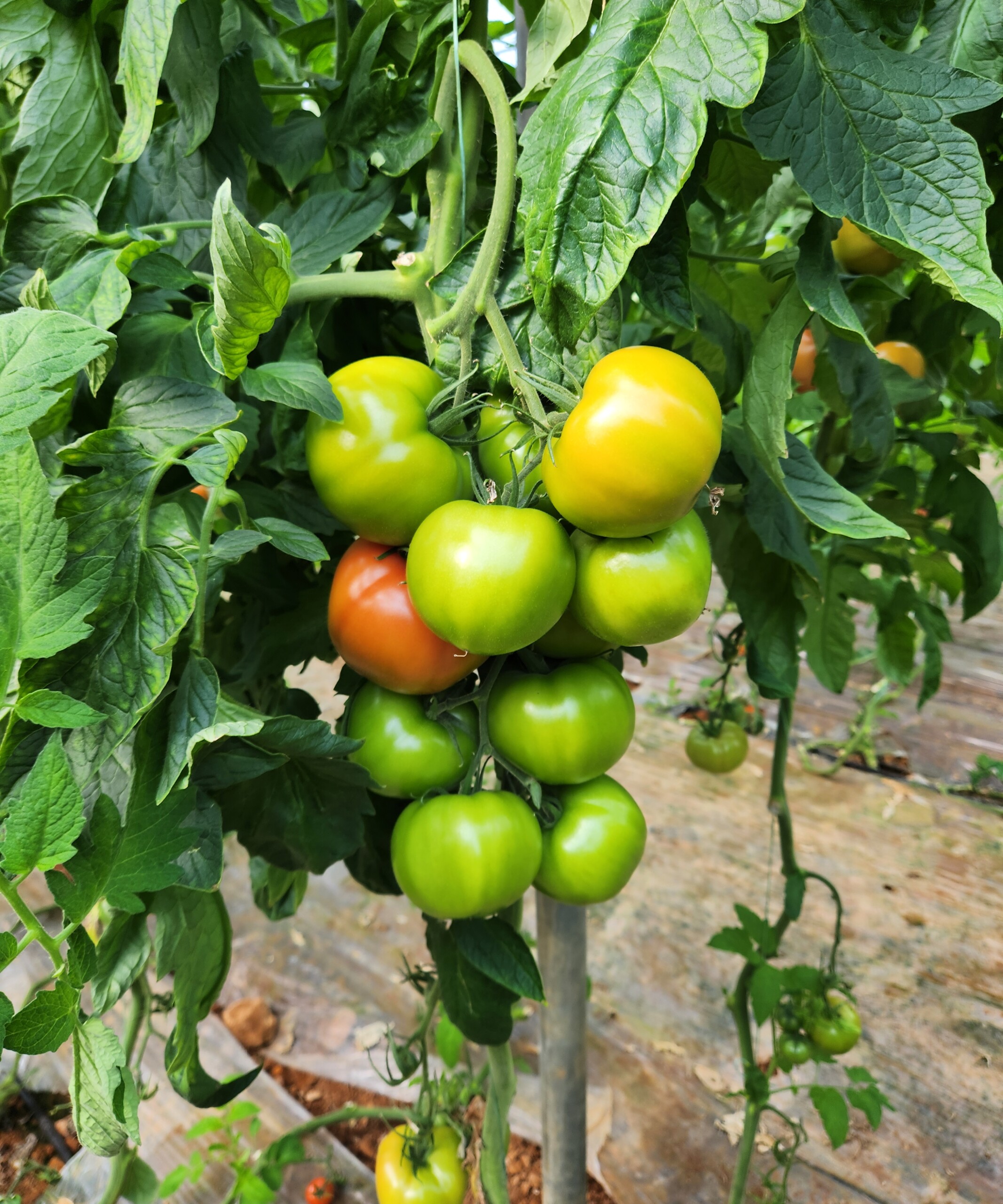
“Thireos is characterized by a robust and vigorous plant producing large, shiny red beef tomatoes with outstanding taste and quality.
Lollipop is known for its strong plant and high yield, Lollipop produces fruits with exceptional taste and extended shelf life.
These varieties not only outperform older varieties in yield but also offer a resistance package that allows for the cultivation of non-grafted plants, reducing costs significantly.”

How ToBRFV varieties changed the tomato market in Greece

What tomato the growers are looking for today?
“The challenges of pest infestations (Tuta Absoluta), labor costs, and ToBRFV have contributed to a declined tomato cultivation in Greece. Growers are searching for resistant varieties that offer ease of cultivation and high performance to mitigate these threats. The demand for ToBRFV resistant varieties is a testament to the industry’s need for solutions that effectively address both the virus threat and cultivation costs.”

How are the Hazera ToBRFV-resistant varieties perceived in Greece?
“Hazera’s introduction of ToBRFV resistant varieties has been well-received in the market, providing growers with the means to produce high-quality tomatoes while alleviating concerns over virus-related losses. Hazera’s proactive support and knowledge sharing have been instrumental in assisting growers to optimize their cultivation practices and achieve superior results.”

How are Hazera’s efforts recognized?
“Hazera has been breeding resilient and resistant varieties to overcome the challenges in the market for a long time. With its ToBRFV varieties Hazera tackled new challenges and showed its commitment to support growers in difficult situations as well.”

How the ToBRFV varieties work for the growers?
“The introduction of ToBRFV resistant varieties, such as Pendragon, Giubilo, Windsor, Canelo, Lollipop and Thireos, aligns with the concept of “Tomato That Works for You,” emphasizing the synergy between innovative breeding techniques and the practical needs of tomato growers. This approach highlights the industry’s shift towards sustainable and resilient agricultural practices in the face of emerging threats.

In summary, the introduction of Hazera ToBRFV resistant tomato varieties has significantly influenced the Greek tomato market, offering new opportunities for growth, stability, and sustainability in the middle of challenges. Hazera’s contributions, through the development and support of these varieties, have been critical in revitalizing tomato cultivation in Greece, reflecting a commitment to innovation and sustainability in agriculture.”

Would you like to learn more about the market in Greece or have other questions? Contact us!

More News