



As a Sales Representative and Product Development Specialist at Hazera, my work is all about connecting the full chain: from greenhouse trials and plant evaluations to growers, auctions, retailers and internal product discussions.
I focus mainly on High Tech tomato varieties, evaluating how they perform in practice, supporting growers and helping to introduce innovative products to the market. This week was mainly focused on plant evaluations, grower visits, product follow-up, and processing the insights gathered throughout the chain.
Monday – Evaluating plants in the demo greenhouse
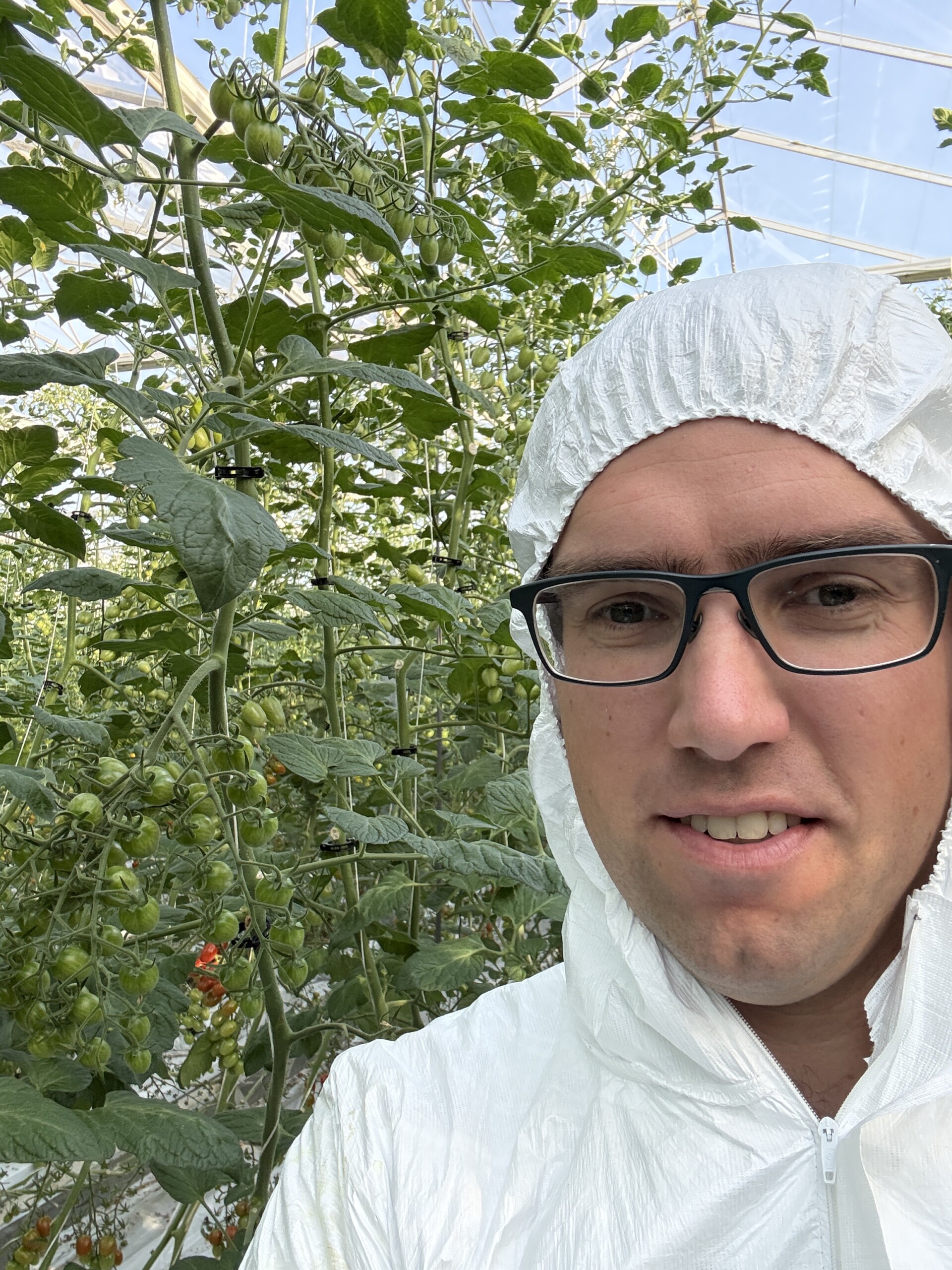
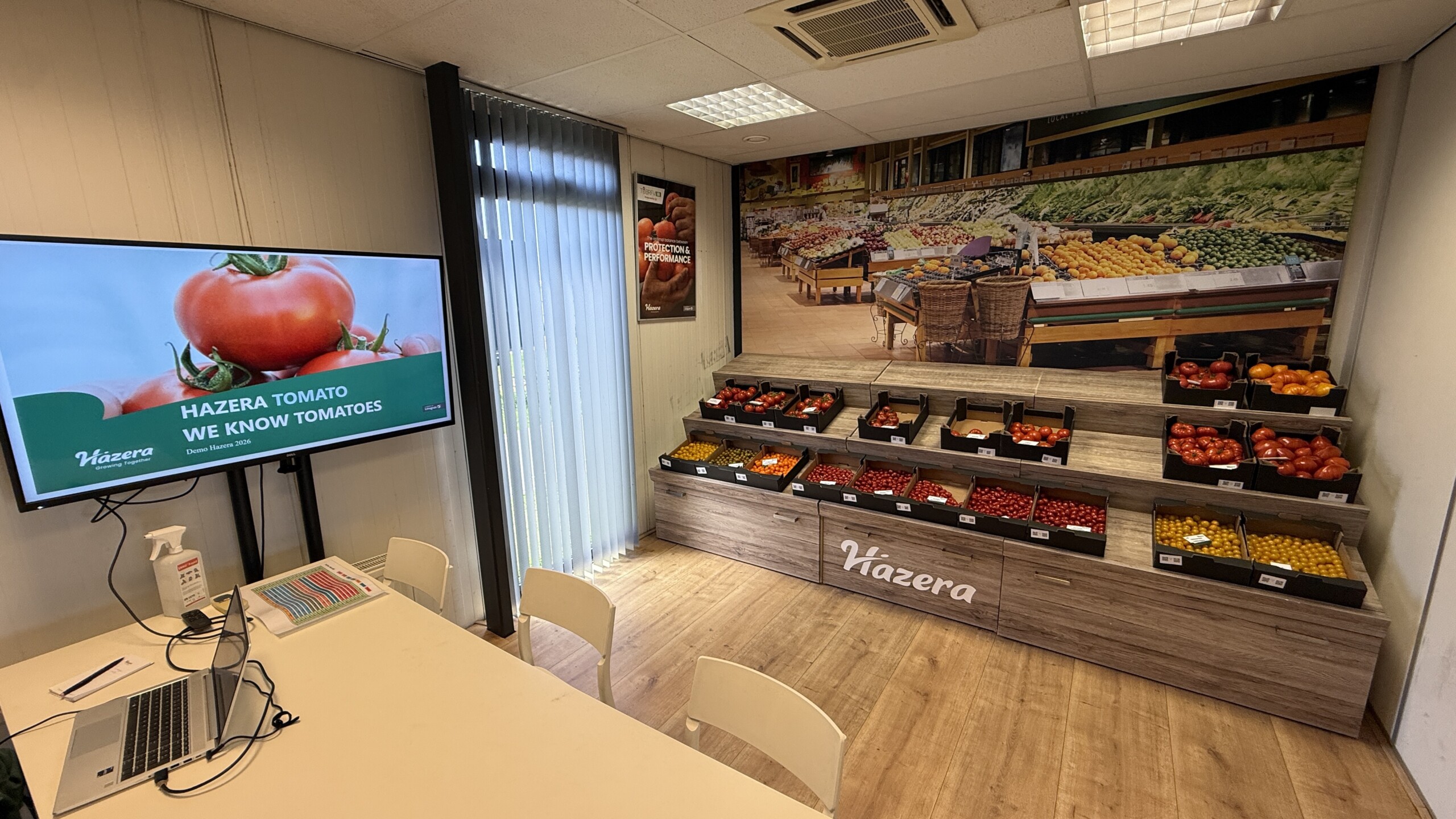
I started the week in our demo greenhouse at Delphy, where I carried out plant evaluations across a broad range of tomato varieties.
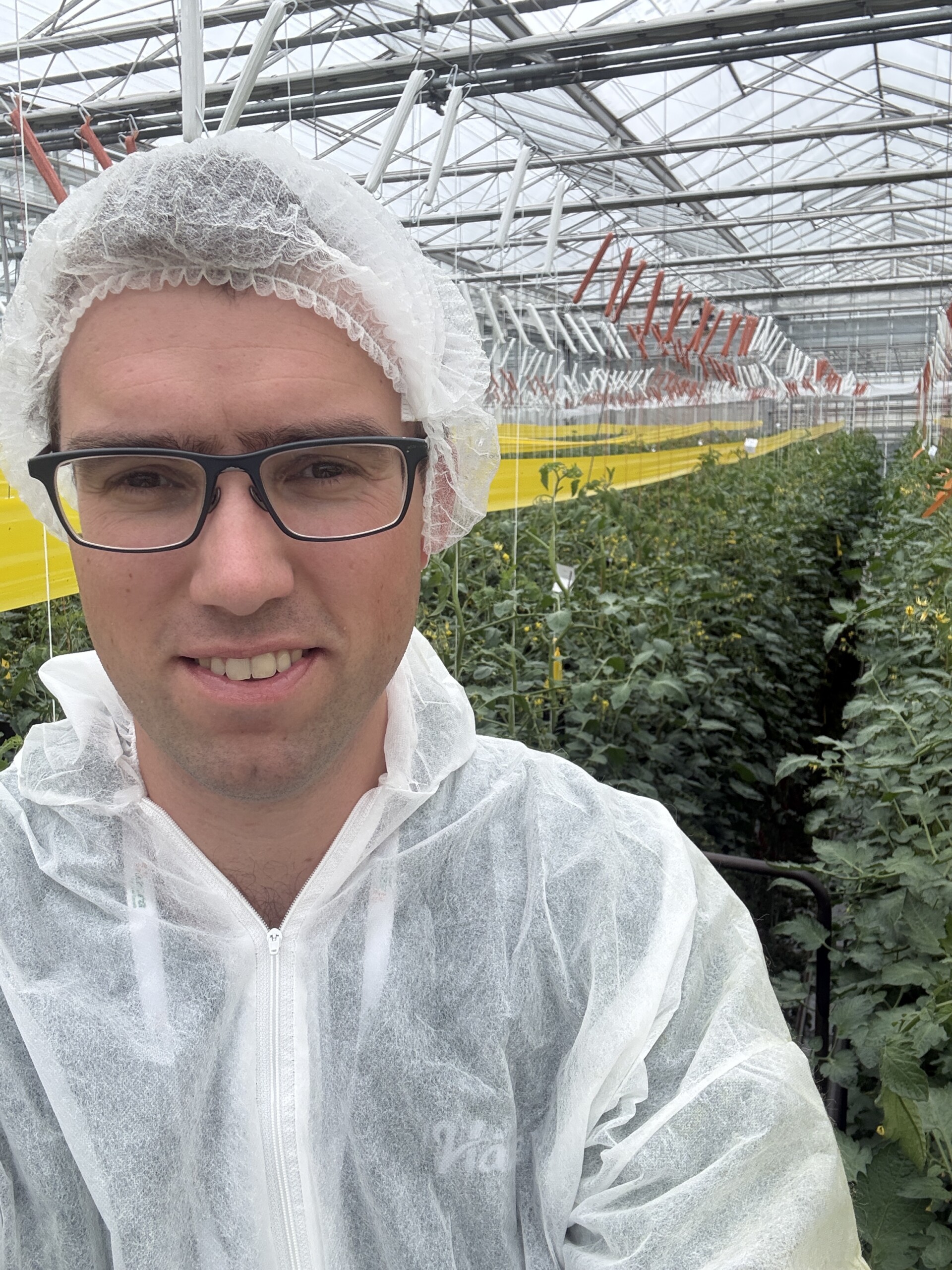
During these evaluations, I look closely at key agronomic characteristics such as fruit set, plant vigour, plant balance and the speed of truss development. These details may seem small at first, but they tell us a lot about how a variety is developing and how stable its performance is under changing growing conditions.
By evaluating the plants regularly throughout the season, we build a clear picture of each variety over time. That information is essential when making decisions about variety positioning and future development
Tuesday – Samples, auctions and mini plum trials
On Tuesday, I delivered samples of our varieties to the Belgian auctions. These sampling moments are important because they help keep different stakeholders in the chain informed and involved. The auctions actively follow the performance and potential of new varieties, so direct feedback is very valuable.
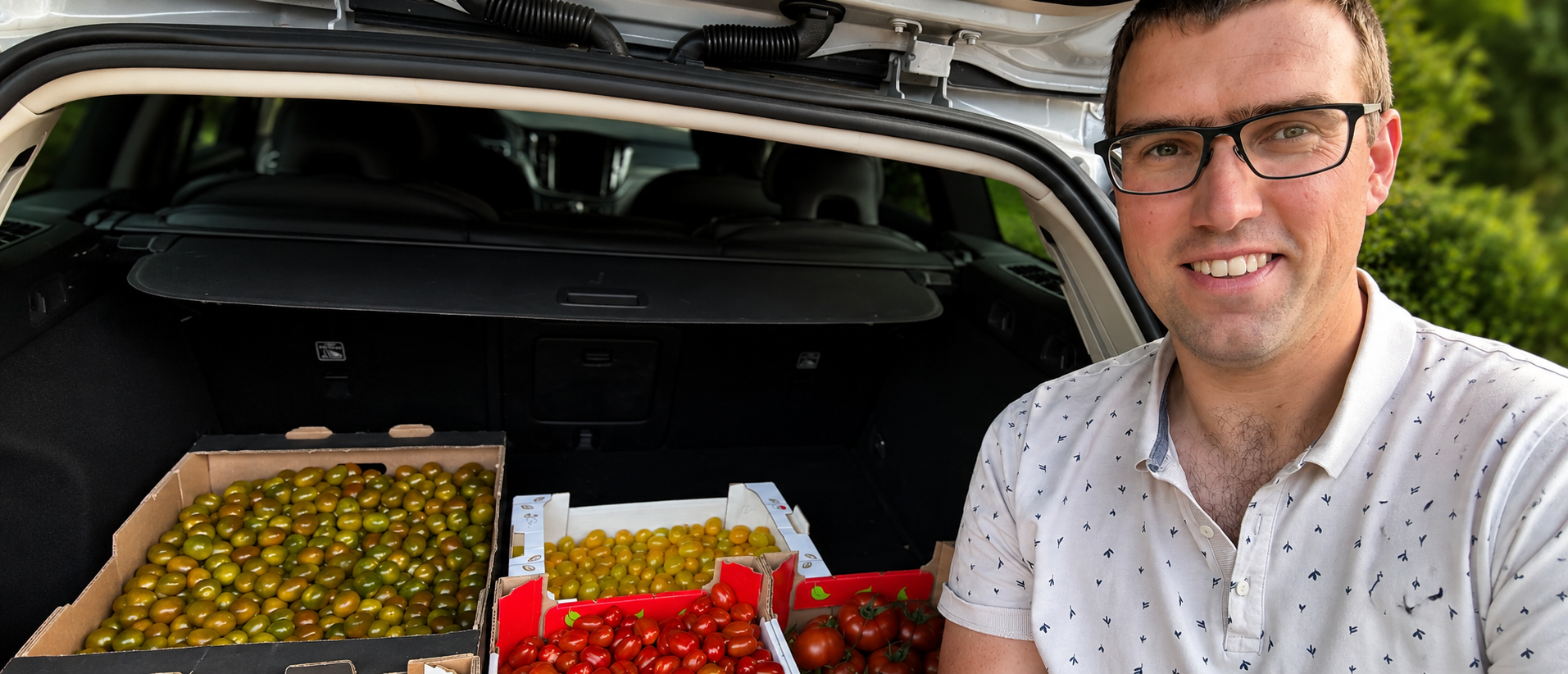
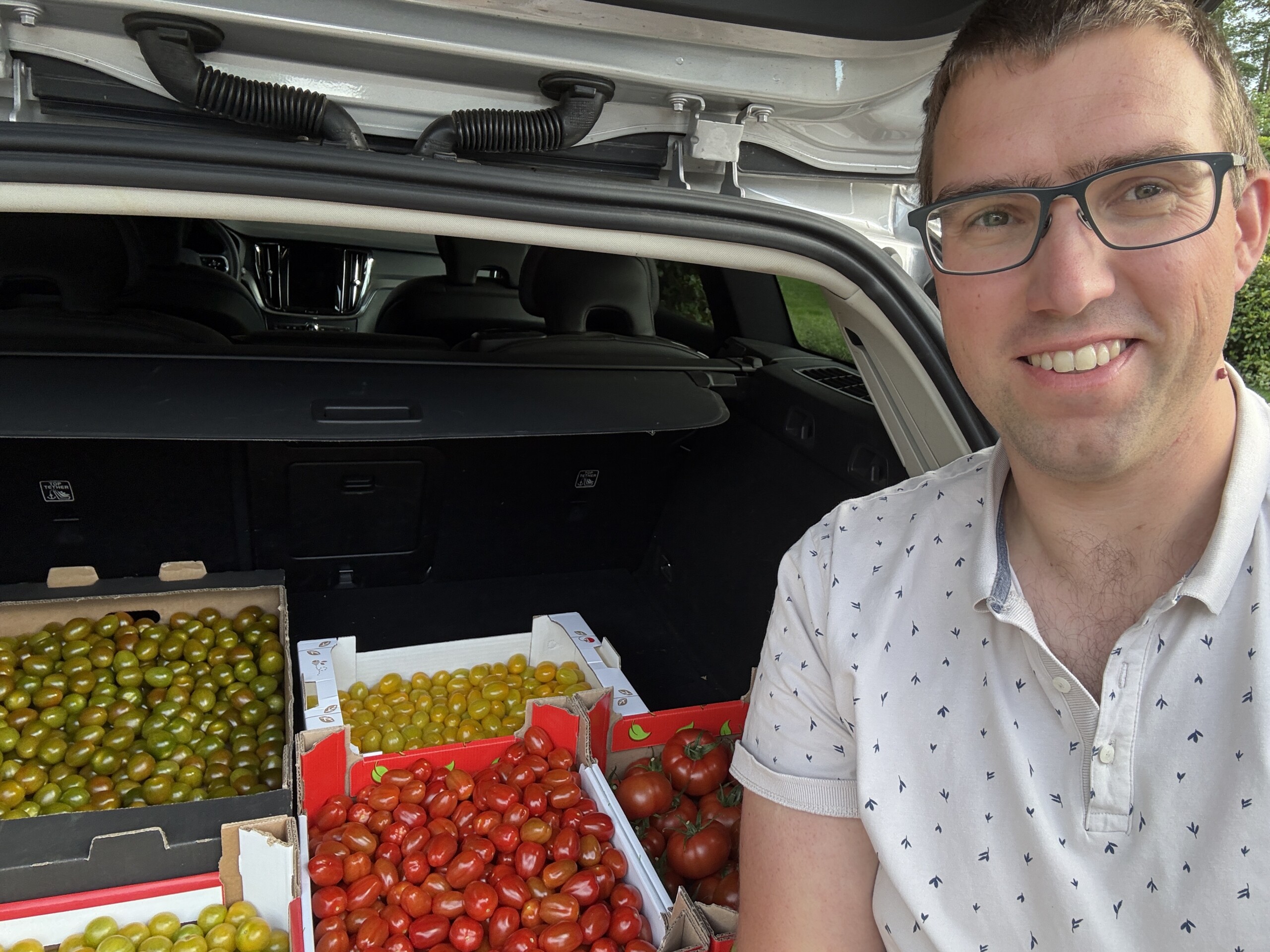
Before delivering the samples, I visited an ongoing trial at one of our growers. This grower produces mini plum tomatoes in different colours, which made the visit especially interesting.
Seeing varieties in a commercial-like setting gives us much more insight than data alone. It shows how the plants behave under real growing conditions and creates the opportunity to discuss strengths, challenges and market potential directly with the grower.
Wednesday – Cluster tomatoes, retailers and trial insights
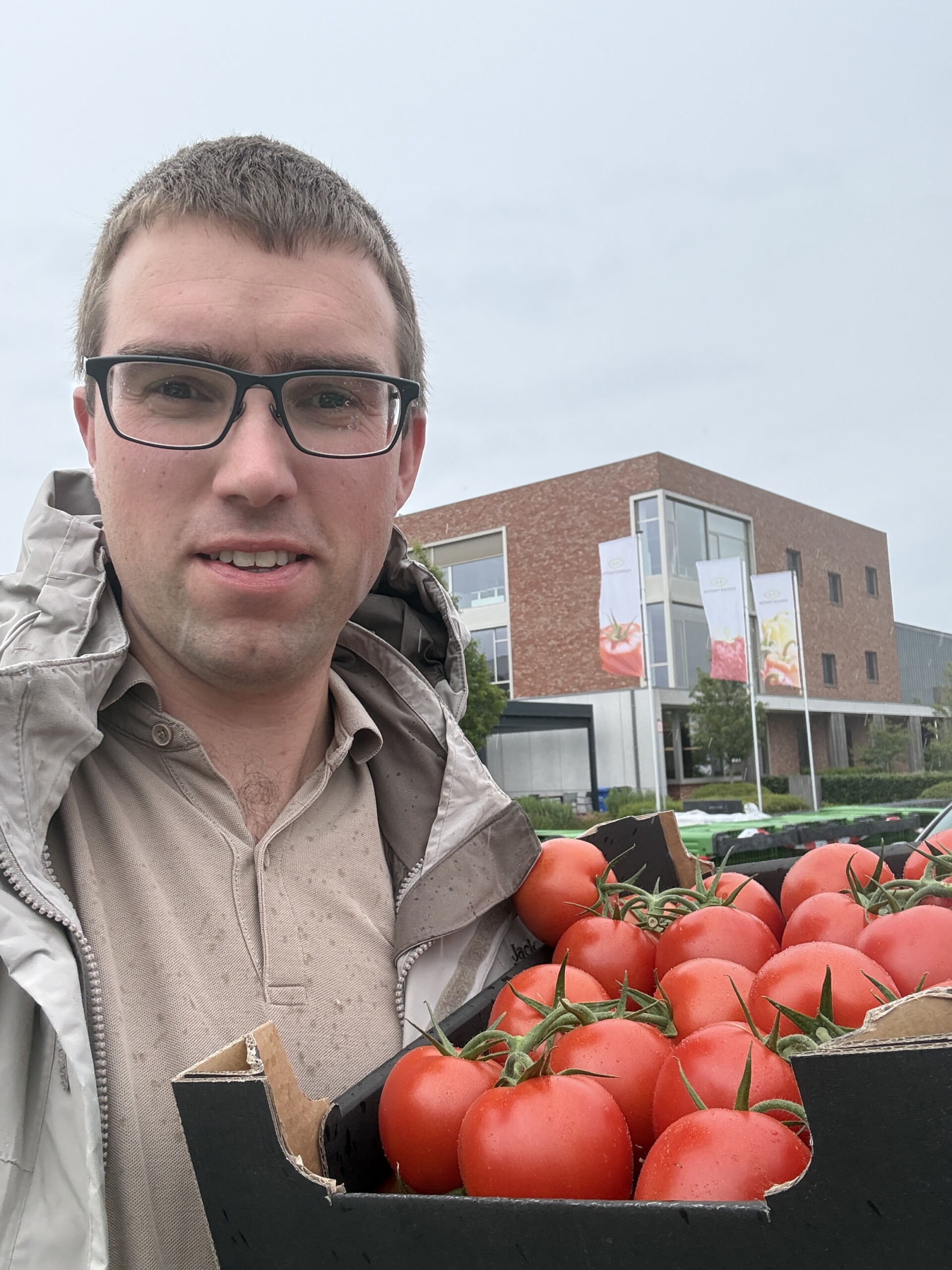
The next day, I visited another grower, this time specialized in cluster tomatoes. Together, we evaluated the performance of several trial varieties, looking at both plant development and fruit quality.
These visits are not only about the crop itself. We also discussed broader topics such as current challenges in the grower’s business, market developments and possible improvements in cultivation strategies. That combination of technical evaluation and open discussion is what makes these visits so valuable.
Afterwards, I continued my day with retailer visits, where I introduced our varieties and presented their key characteristics and added value. These conversations help us better understand retailer expectations and position our products in the right market segment.
In the afternoon, I joined a guided tour at Proefcentrum Hoogstraten, where segmentation trials were showcased. It gave a good overview of how different varieties perform across the main tomato segments.
Thursday – Shelf-life, grower feedback and taste discussions
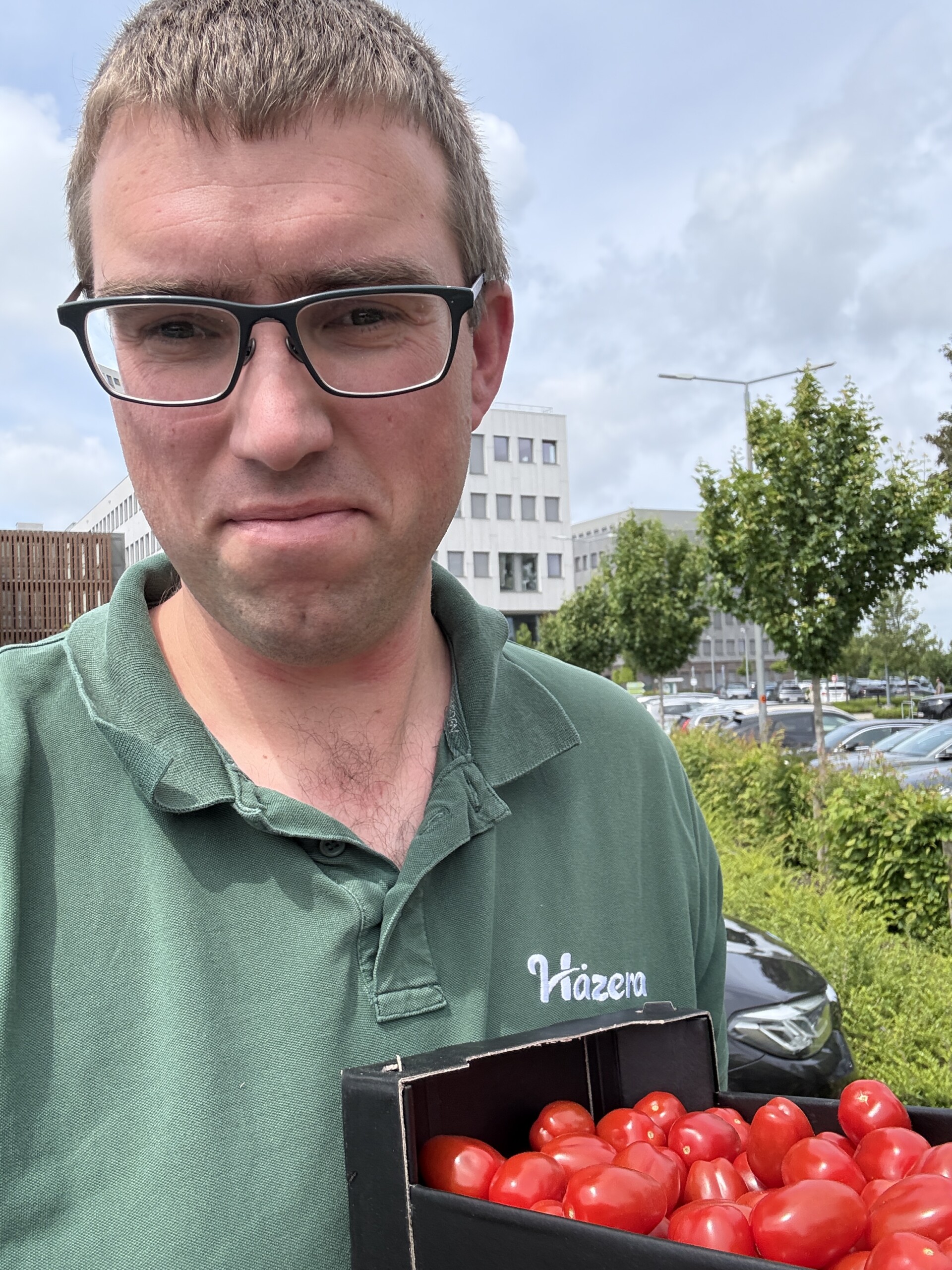
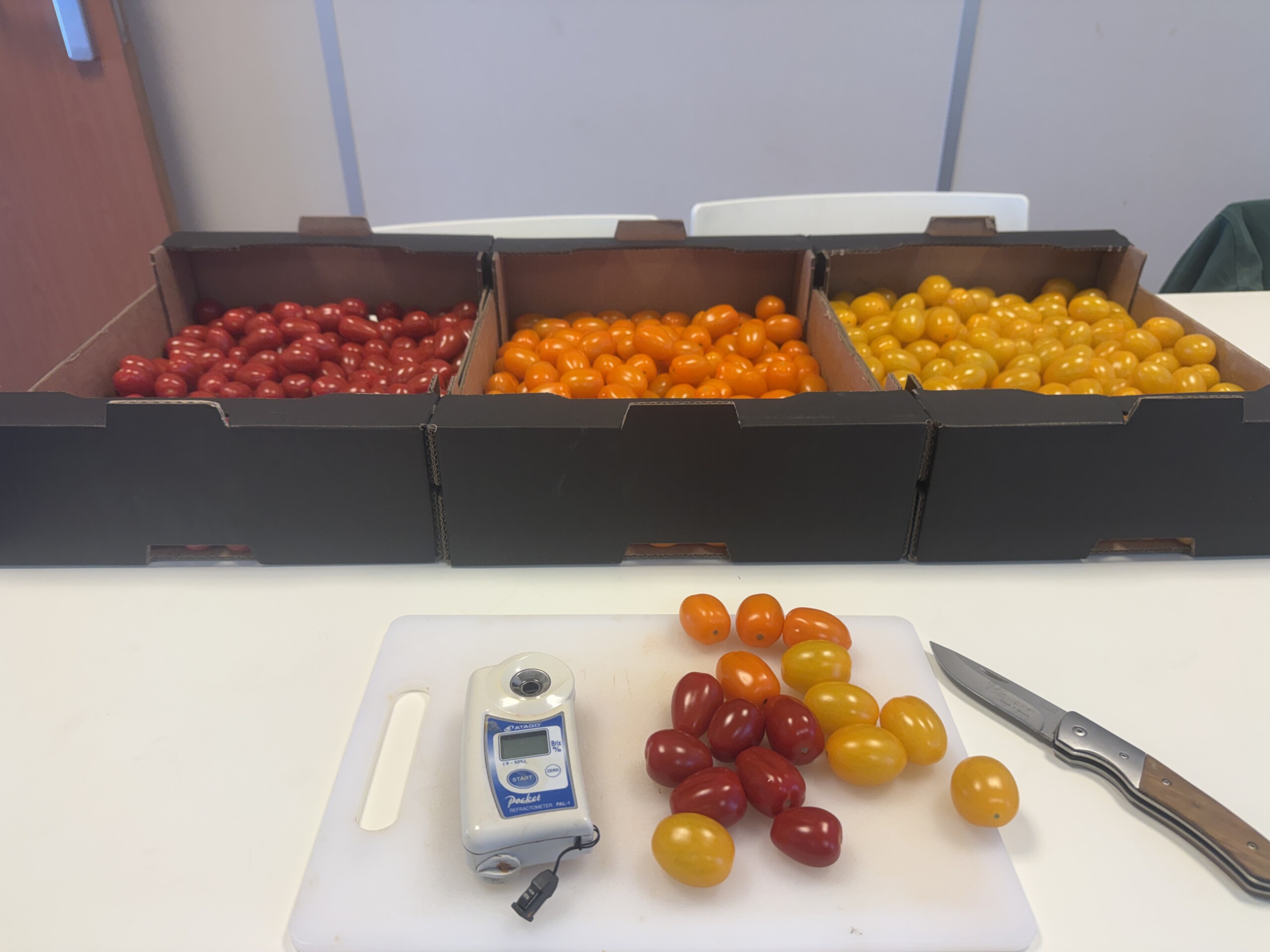
On Thursday, I carried out a shelf-life evaluation in our demo greenhouse. During this assessment, I focused on important quality parameters such as firmness, Brix (sugar content) and the freshness of the green parts.
Shelf-life is a crucial part of variety evaluation, especially for the retail chain. A variety needs to perform well in the greenhouse, but it also needs to maintain its quality after harvest.
Later that day, we hosted a grower visit in the demo greenhouse. Together, we evaluated both the harvested fruits in the boxes and the plants in the greenhouse itself. This gives a complete picture of the variety’s performance, from production to final product.
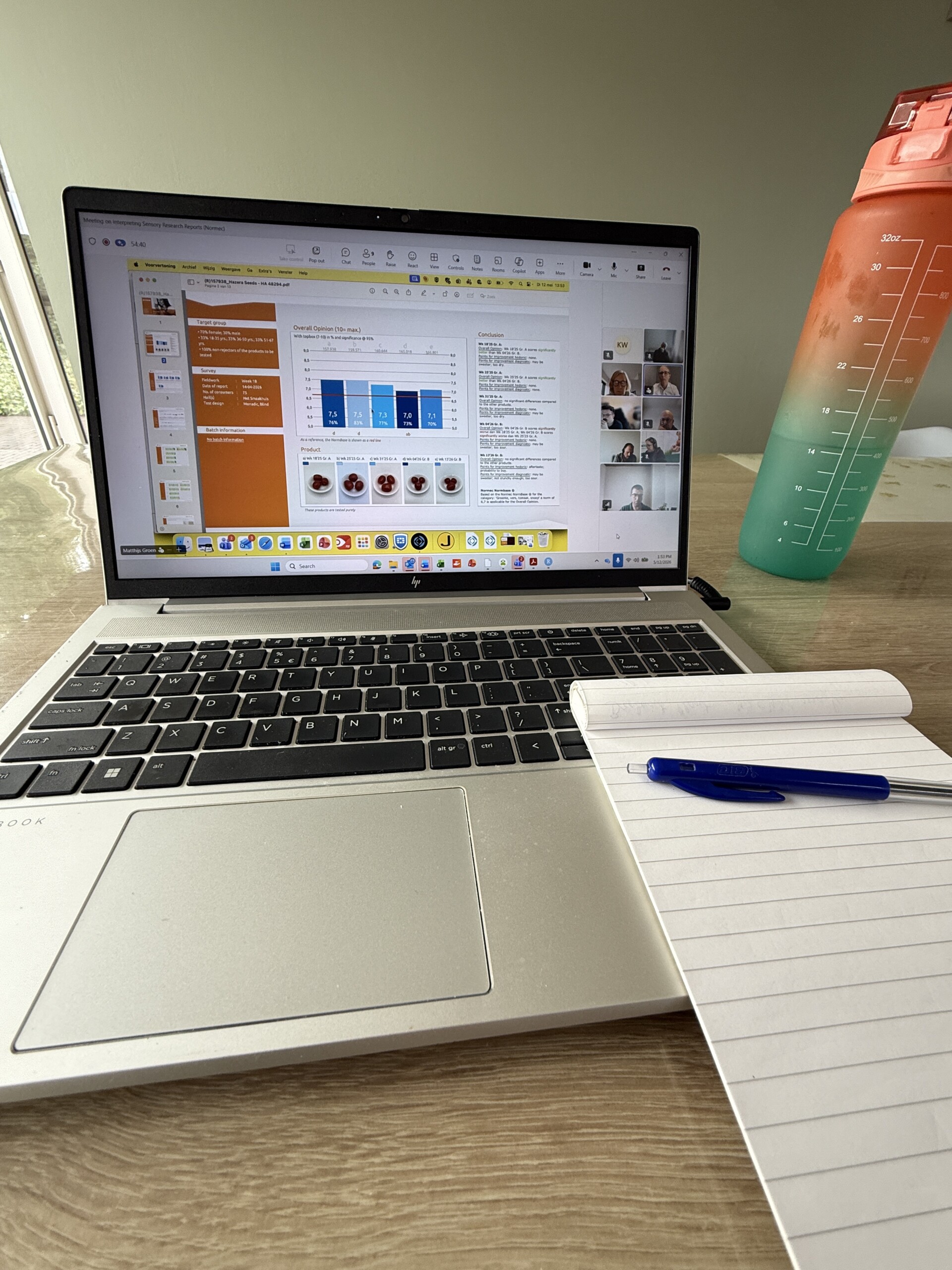
I also joined an online meeting with colleagues to discuss the results of taste tests for our snacking tomato varieties.
Friday – Summer Soul and turning data into insights
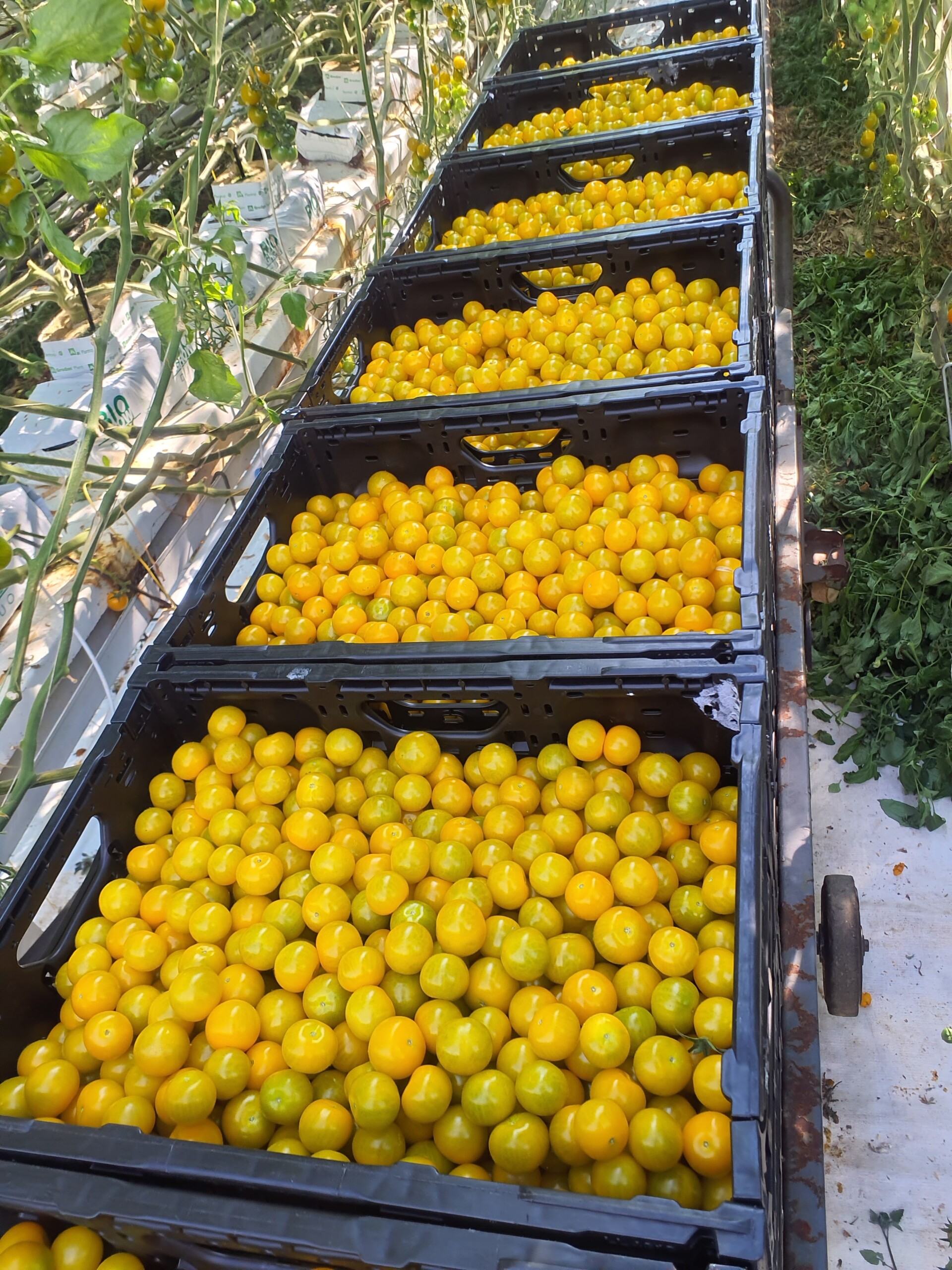
I ended the week with a visit to a grower cultivating our Summer Soul variety. During the visit, we evaluated the plant development in detail and discussed how the crop was evolving.
Based on what we saw, I gave practical advice on crop management for the coming weeks, with the aim of optimizing both yield and quality.
After the grower visit, it was time for office work. Throughout the week, we collect a lot of information from trials, evaluations, visits and discussions. Structuring and processing that data properly is an important part of the job. I worked on consolidating the collected data and running several reports, so that the insights can be used quickly and effectively in future decision-making.
A dynamic week in tomatoes
One of the things I enjoy most about this work is the variety. This week included everything from greenhouse evaluations and grower visits to retailer discussions, shelf-life testing and data analysis.
Even the weather brought some contrast, with heavy rainfall on some days and plenty of sunshine on others. It is a good reminder that every visit is different, and that growing conditions always play a role in both plant development and daily work in the field.
What makes the week especially valuable is the direct feedback from growers, retailers and colleagues. Seeing the diversity of tomato varieties in practice and connecting all those insights across the chain helps us make better decisions and bring stronger products to the market.


