

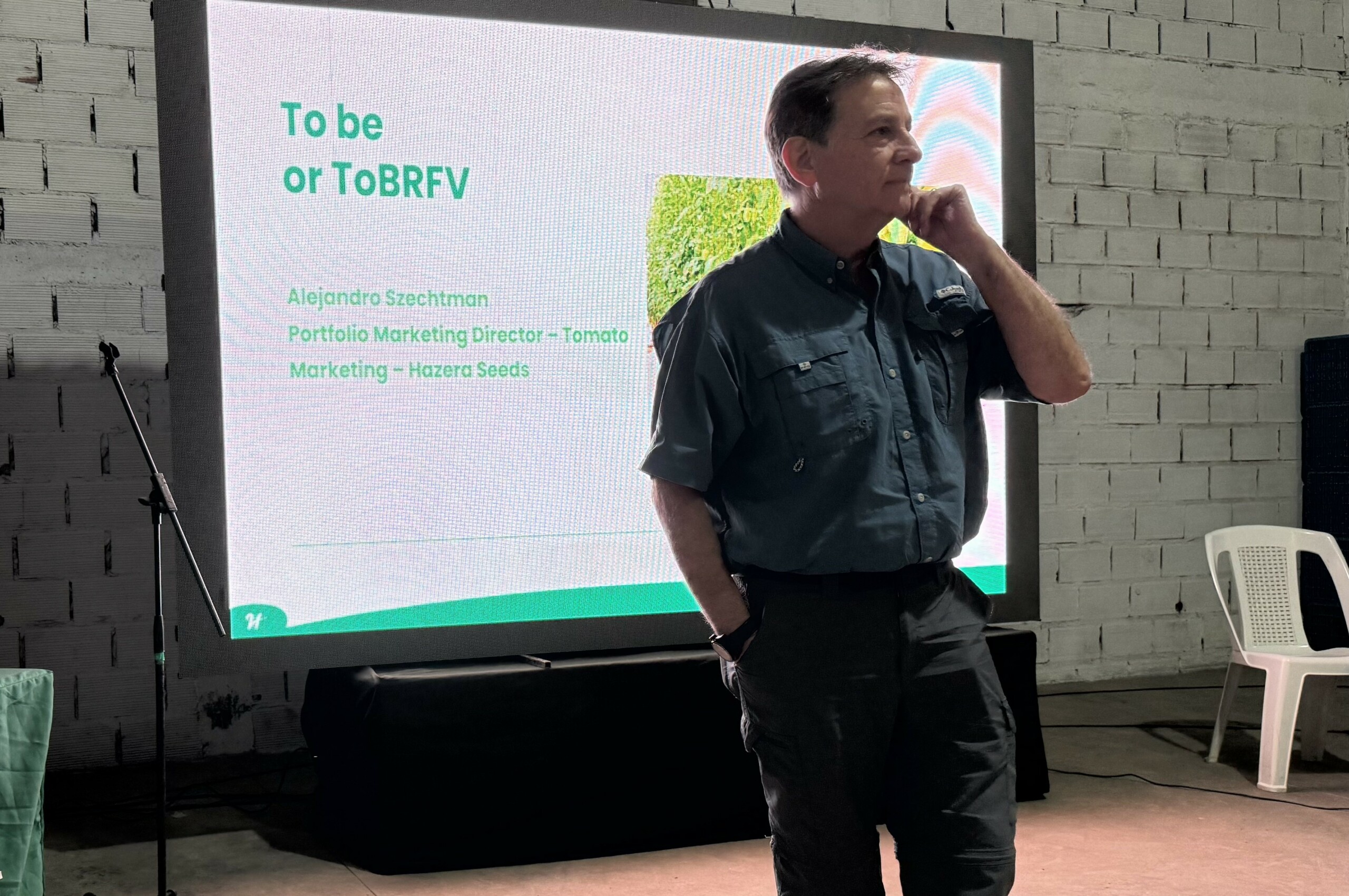
Alejandro Szechtman, Tomato Portfolio Marketing Director at Hazera, shares insights into the company’s strategic approach to tackling ToBRFV and shaping the future of tomato breeding. In this conversation, he explains how Hazera’s phased resistance strategy, strong partnerships with growers, and focused on sustainable innovations that help the company stay ahead in a rapidly evolving agricultural landscape.
How does Hazera’s phased resistance strategy differentiate you from competitors who may have rushed to market with HR varieties?
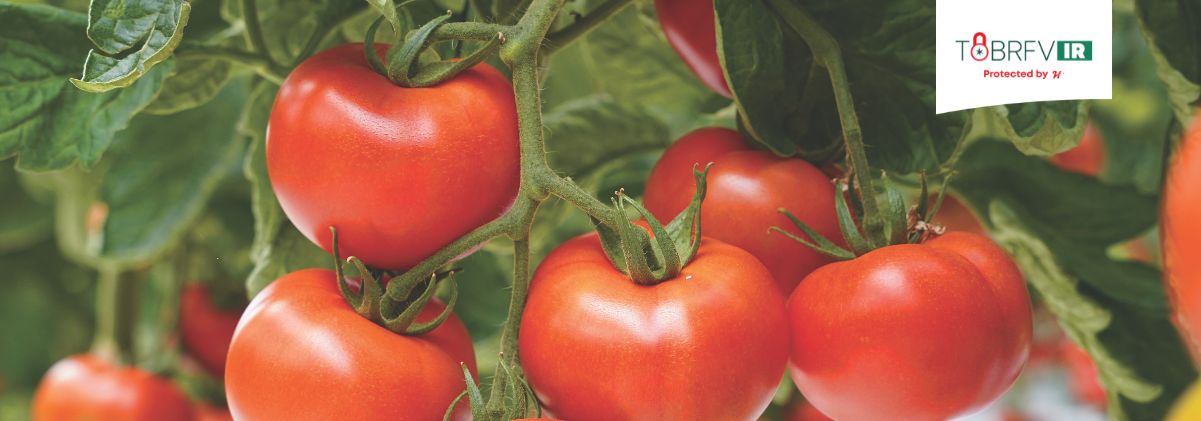
“Ever since the virus began to emerge, Hazera recognized that resistance alone is not enough. That’s why we were among the first to develop varieties that not only provide resistance but also deliver strong agronomical performances: high yield, excellent fruit quality, and reliability, as captured in our slogan: “Leading the way in Performance and Protection”. Moreover, we also pioneered the multi-gene resistance approach, incorporating several resistance genes with different modes of action to ensure long-lasting protection. Since viruses mutate quickly and can easily overcome single-gene resistance, this strategy significantly reduces the risk of resistance breakdown. By combining protection, performance, and durability, Hazera sets the standard for the future, one we believe the entire industry will eventually follow.”
How do you measure “grower success” when developing new varieties, and what role does performance consistency play in that equation?
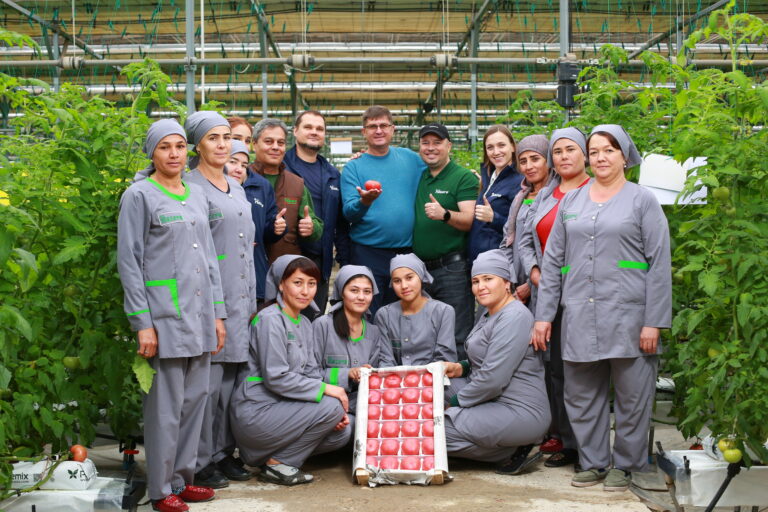
“I always say that our aim is to provide high-quality solutions to our customers. To achieve that, we work very closely with growers and treat them as our partners in the process of developing new varieties. For any grower, a successful variety, is a variety with a consistent performance throughout the seasons, years, and under different conditions. The growers’ success, is our success.”
Can you explain the practical differences growers experience between IR and HR resistance levels in real-world growing conditions?
“Well, that is very good question. Although we’ve been dealing with ToBRFV for 10 years already, the scientific community is still learning about the virus (e.g, its behavior, environment interactions, different strains, etc) and there are still some unsolved topics like how to define the resistance level of a variety. Currently, there is no standard test to determine whether a variety carries HR or IR resistance against ToBRFV. Today, each seed company defines it individually, making the classification highly subjective. When I visit growers’ fields and greenhouses around the world, I see many varieties claiming HR ToBRFV with very strong symptoms in the leaves and fruits, whereas varieties claiming IR-ToBRFV, in the same greenhouse, showed no symptoms at all. Until a standard comparative test is established, the best way for a grower to choose a variety, is to test it in their own environment, regardless of the resistance claim.”
What breeding techniques is Hazera employing to maintain the genetic integrity of high-performing varieties while adding resistance?
“Breeding is a multidisciplinary task that brings together breeders, geneticists, data analysts, agronomists, phytopathologists, and cell biology experts, supported by state-of-the-art technologies, tools, and facilities. Whenever a new trait is introduced, it can affect the overall performance of the variety, so we must ensure that resistance traits do not compromise yield, fruit quality, or other agronomic characteristics.
In developing ToBRFV-resistant varieties, we applied advanced genomic tools and cell biology technologies to accelerate the conventional breeding process, while also building an in-house bioassay to rigorously test resistance under strong virus pressure. At the same time, each candidate variety is evaluated in target markets under diverse conditions, with and without natural virus pressure through worldwide trials that generate thousands of agronomical data points. Only those varieties that successfully combine strong resistance with the expected agronomical performance advance to the commercial stage.”
What kind of support are you providing to growers to help avoid potential damage caused by the virus and to maximize the potential of Hazera ToBRFV resistant varieties?
“Following the outbreak of ToBRFV, Hazera’s first priority was to support growers by sharing knowledge and practical tools to limit potential damage. Through virtual and face-to-face workshops, our experts explained the virus’ behavior, its interaction with plants, and provided phytosanitation guidelines and best practices. These sessions also gave growers the chance to raise concerns, ask questions, and brainstorm solutions together. Once ToBRFV-resistant varieties were developed, we worked closely with growers to position them in the right market segments and ensure quick adaptation. These initiatives were highly appreciated, as growers recognized Hazera’s ongoing commitment and support, always standing side by side with them.”
What additional traits beyond ToBRFV resistance are you incorporating into your tomato breeding to address emerging grower challenges?
“Although ToBRFV has captured the attention of the entire tomato industry over the last decade, we cannot ignore other important challenges that growers, retailers, and consumers are facing now and will continue to face in the future. One of these challenges is climate change, which affects plants’ ability to perform under extreme conditions (e.g., high temperatures). We are already developing tomato varieties that can deliver high yields and high-quality fruit under heat stress.
Climate change also affects the pest and disease microenvironment, where new threats are emerging or existing ones are migrating to new areas. This means growers will face pests and diseases they are not accustomed to, so at Hazera we are developing new varieties with additional resistances tailored to those regions.
Other challenges include sustainability, production costs, labor shortages, and reducing waste and carbon footprint. To address these, we developed a new concept called ‘Tomatoes that work for you,’ featuring varieties such as Camelot, Pendragon, Windsor, and Nemeton, with more to come. This innovative concept offers multiple benefits, including disease resistance, reduced labor requirements, enhanced quality, extended shelf life, minimized food waste, and a smaller carbon footprint.”
How do you envision Hazera’s tomato portfolio evolving to continue supporting growers’ success in an increasingly complex agricultural environment in 5 years?
“Hazera is continuously investing in and developing new varieties to provide solutions across the entire value chain: from growers to retailers and consumers. Our ToBRFV portfolio is expanding rapidly, offering a broad range of varieties and typologies worldwide. In our pipeline, we already see new varieties with enhanced performance and stronger resistance, built on our two strategic pillars: Performance & Resistance and a multi-gene resistance approach.
We maintain close relationships with our partners, monitor market trends, and listen to the challenges they face. This ensures we are always ready with varieties that meet evolving market needs. Looking ahead five years, I envision Hazera’s tomato portfolio driving sustainable agriculture, offering varieties that require less manual labor, lower production costs, deliver higher yield and quality, minimize waste and carbon footprint throughout the value chain, and ultimately enhance the consumer taste experience. Hazera was, is, and will be a pioneering company providing innovative solutions to our customers worldwide.”
Would you like to learn more? Click here!