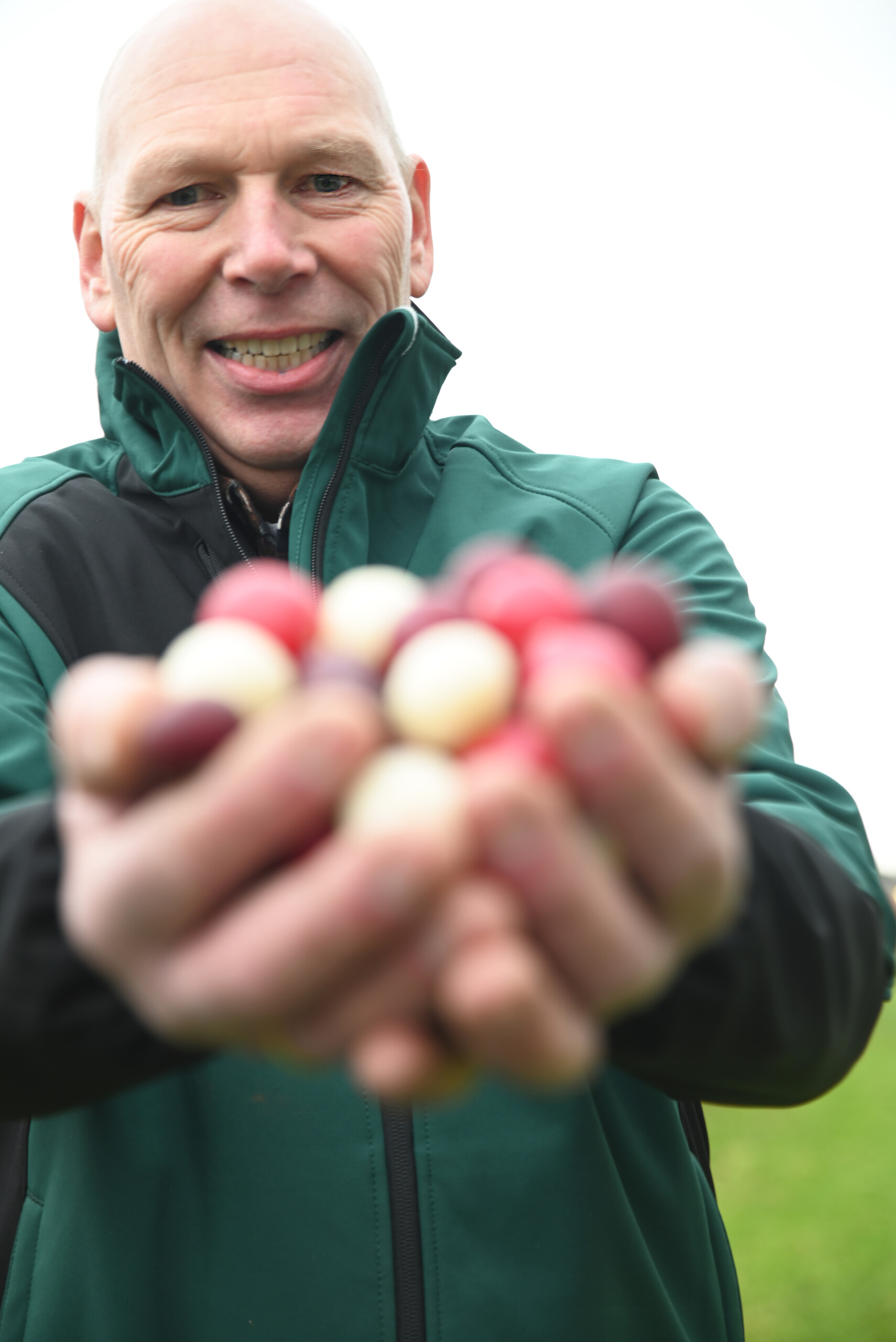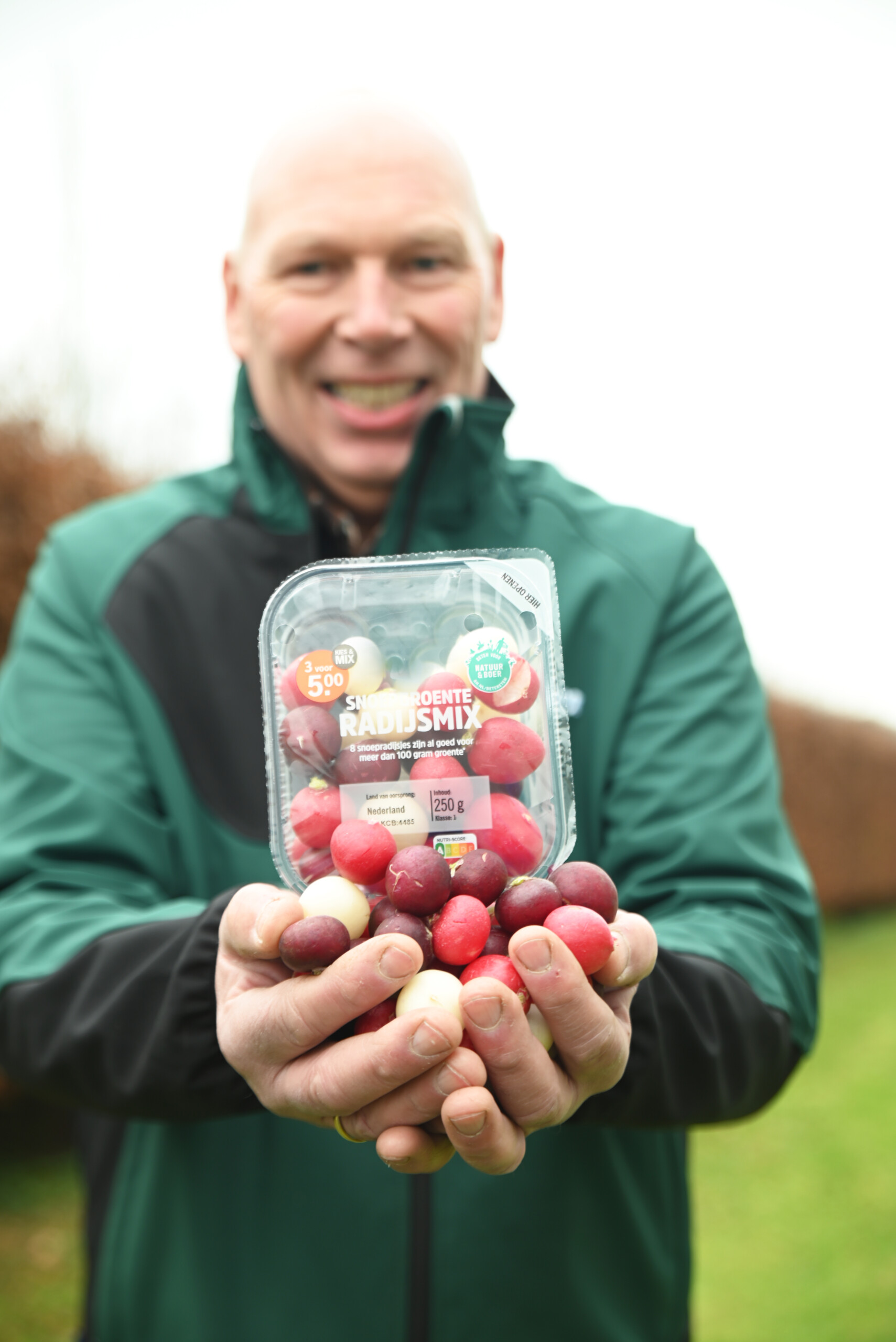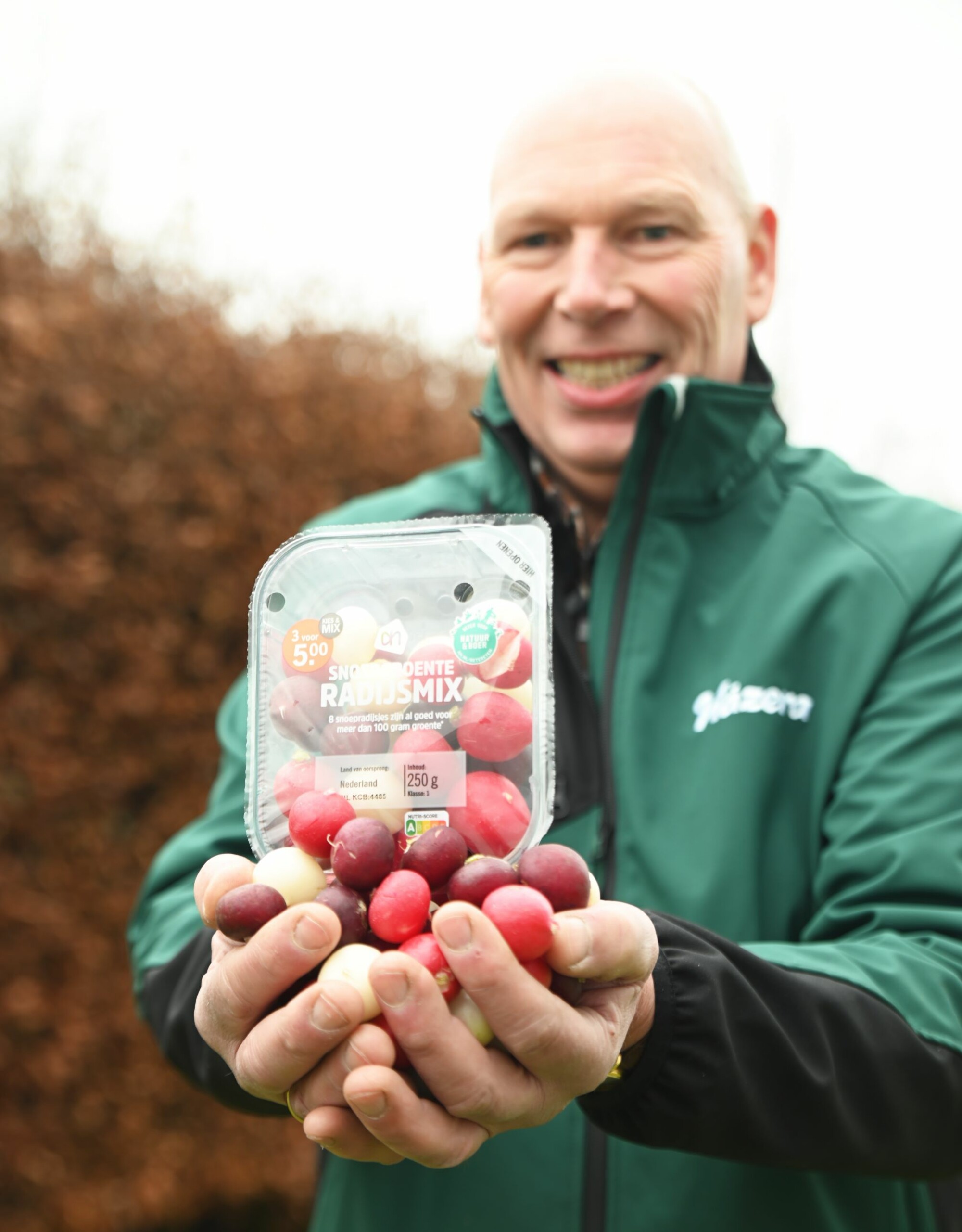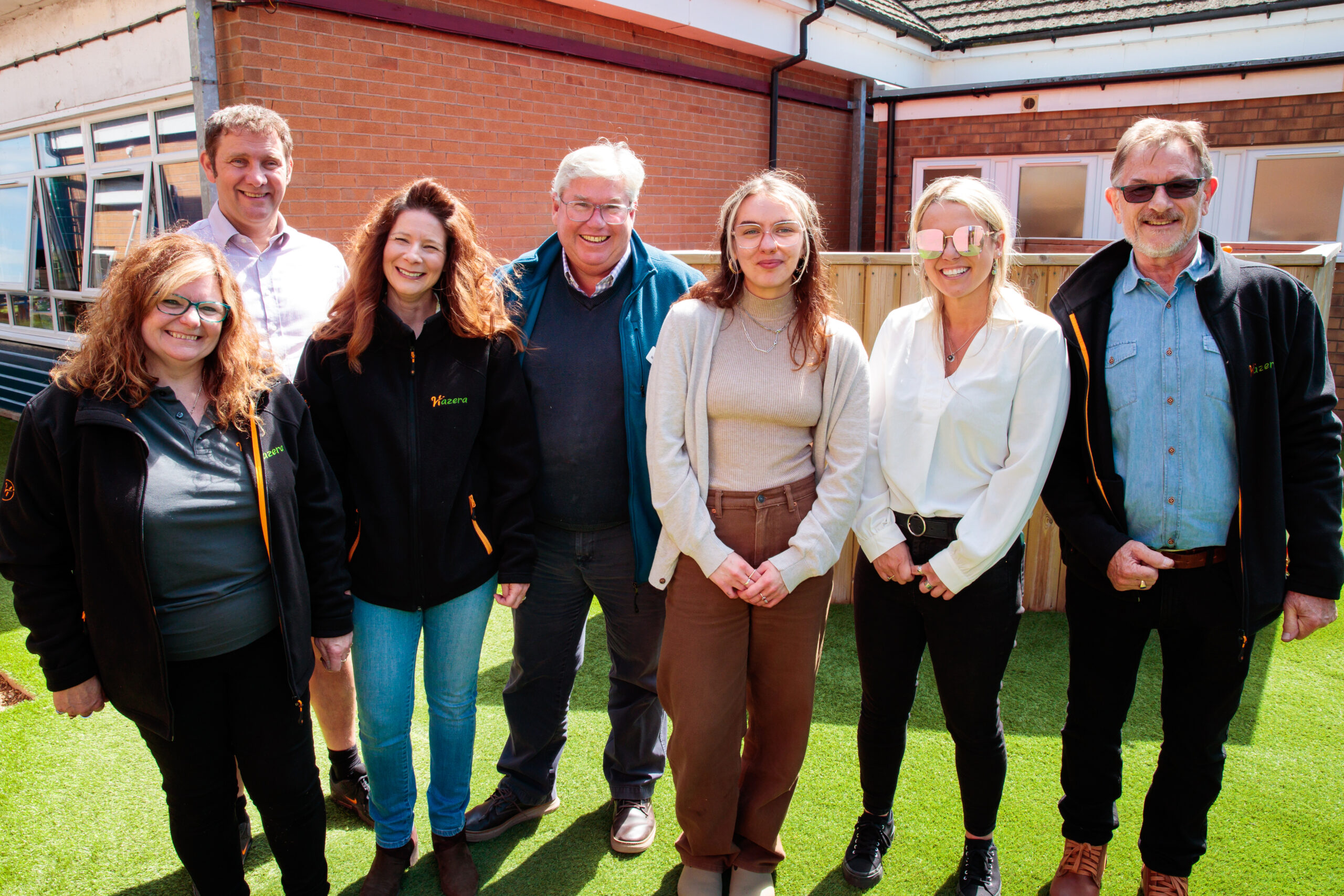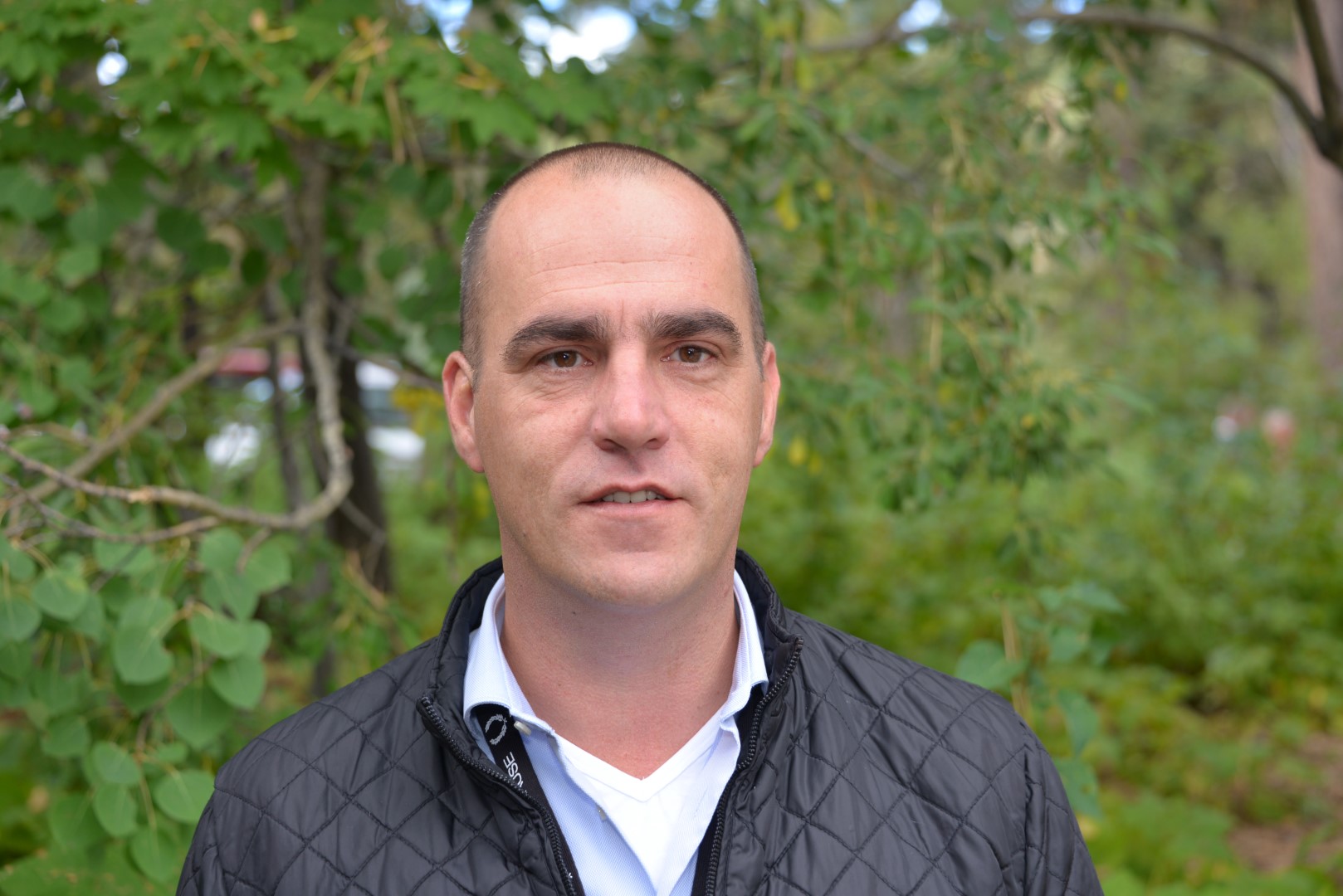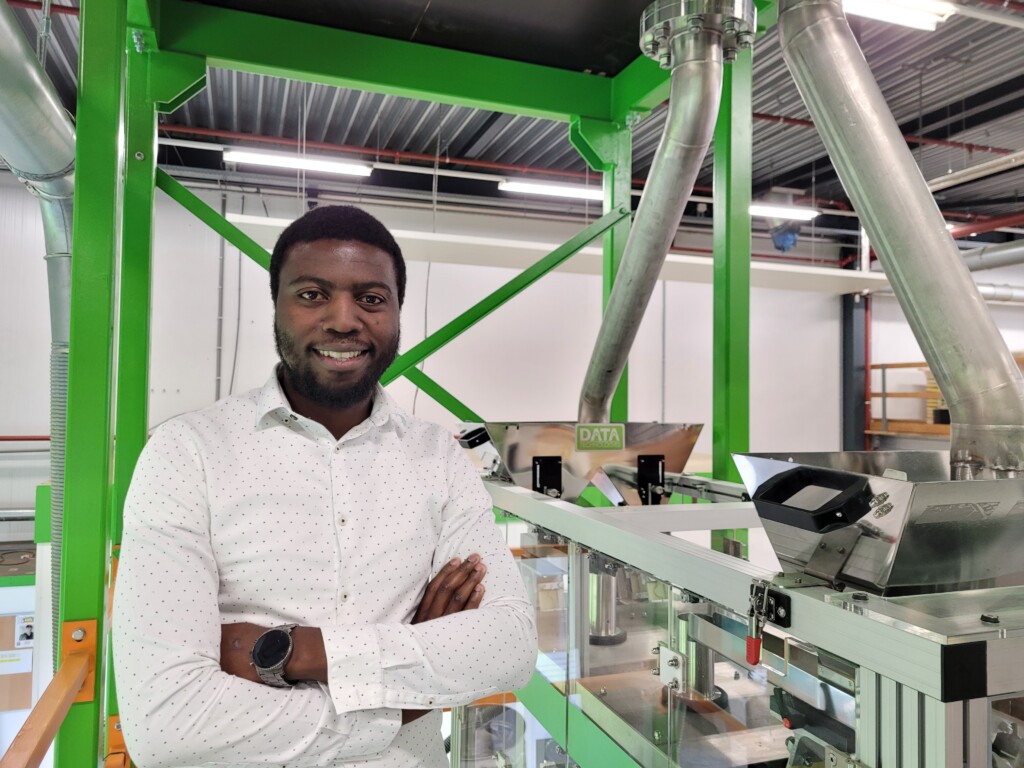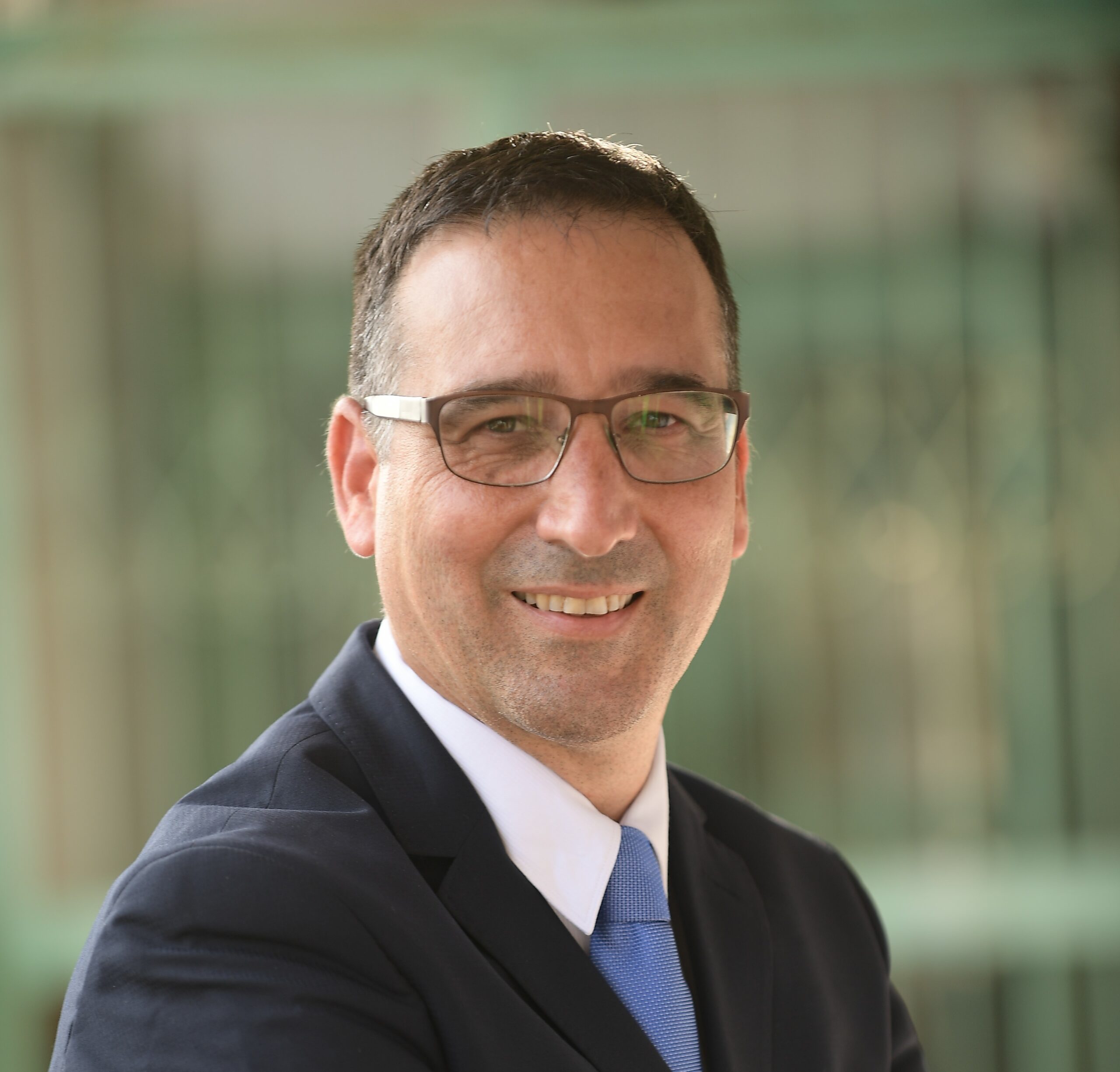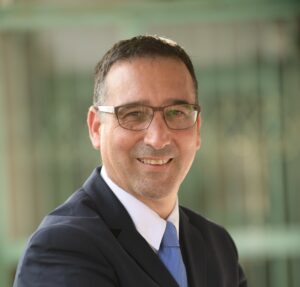

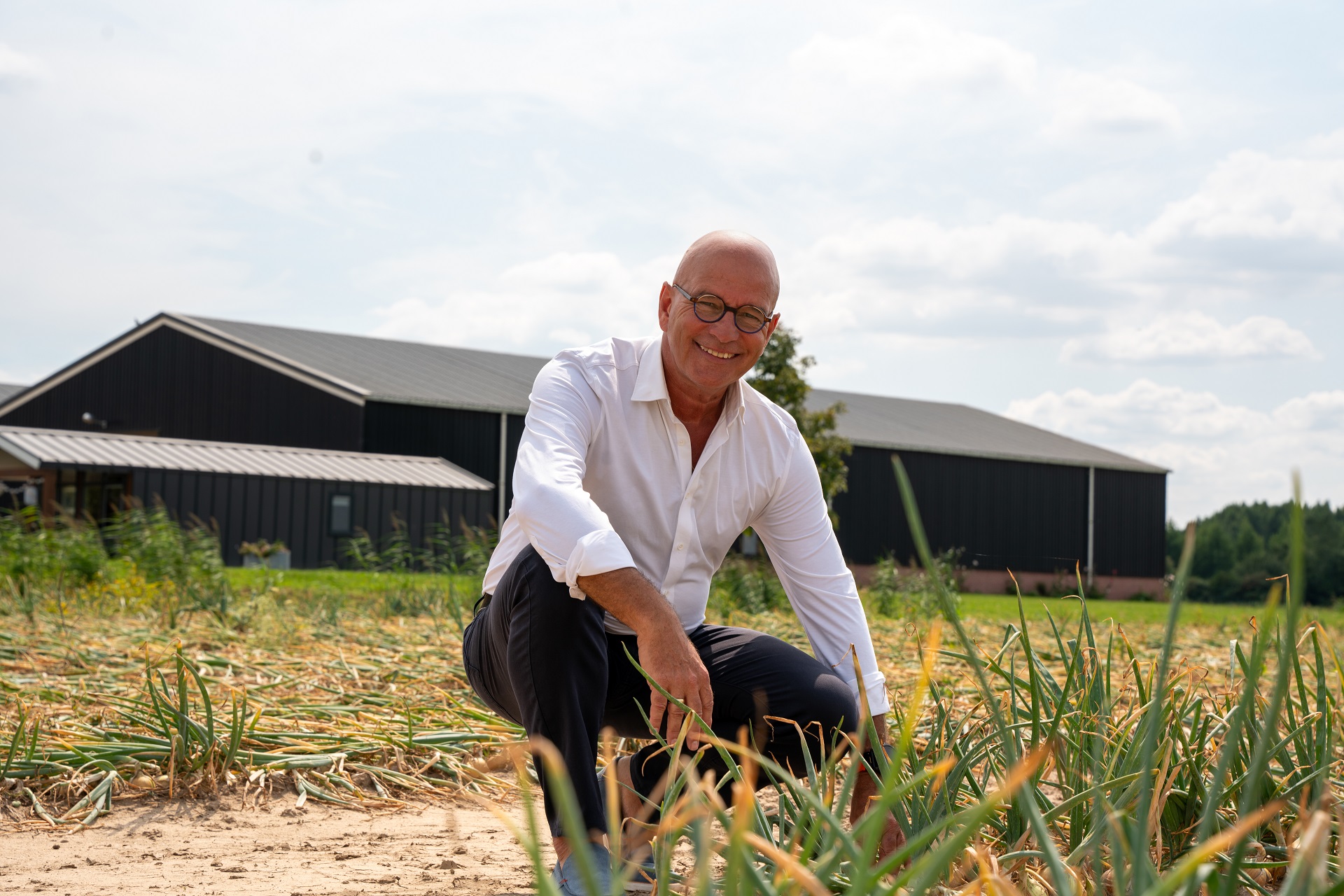
Meet the People Behind the Crops – Heritage Edition: Arthur Zuidweg

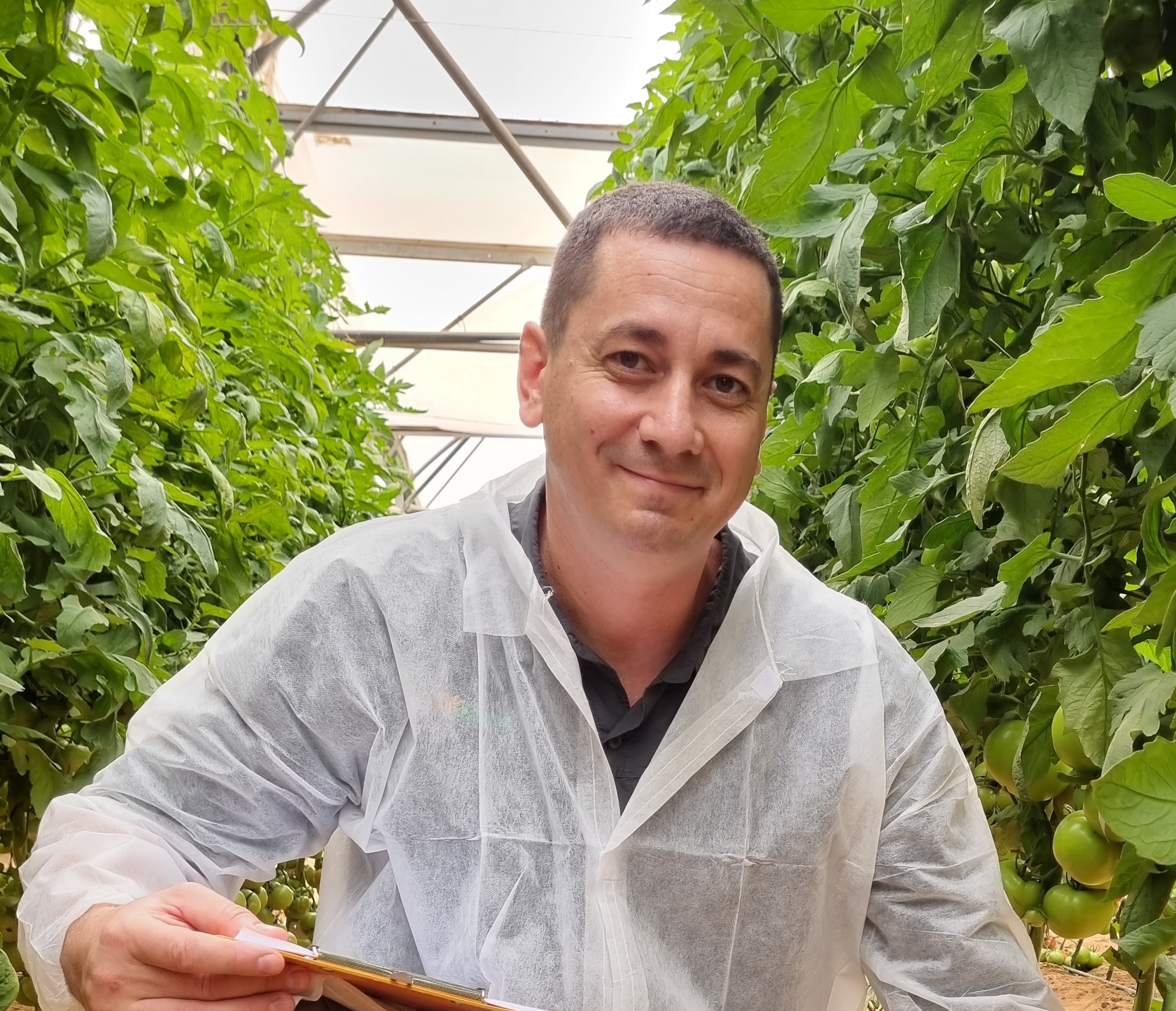
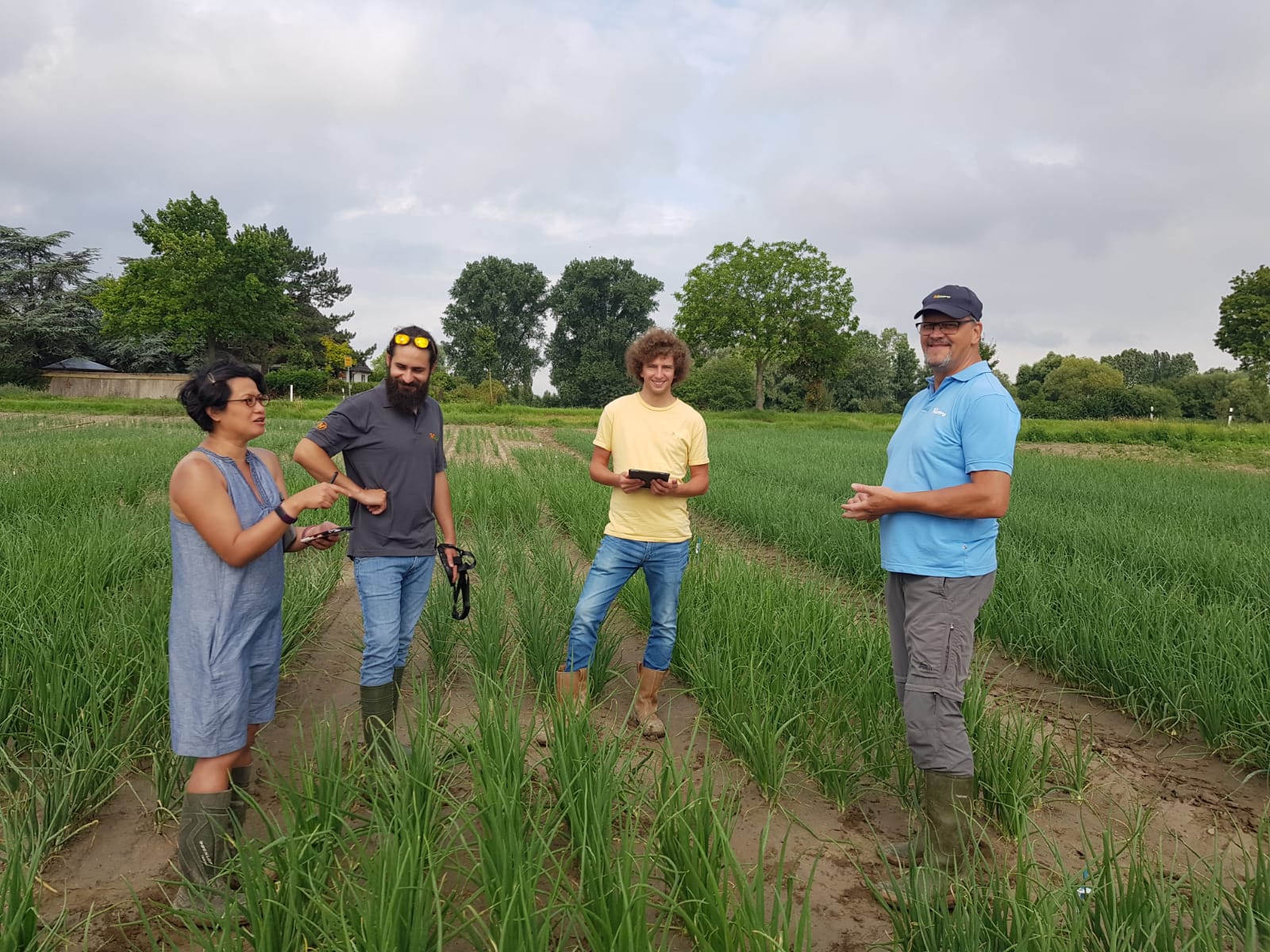

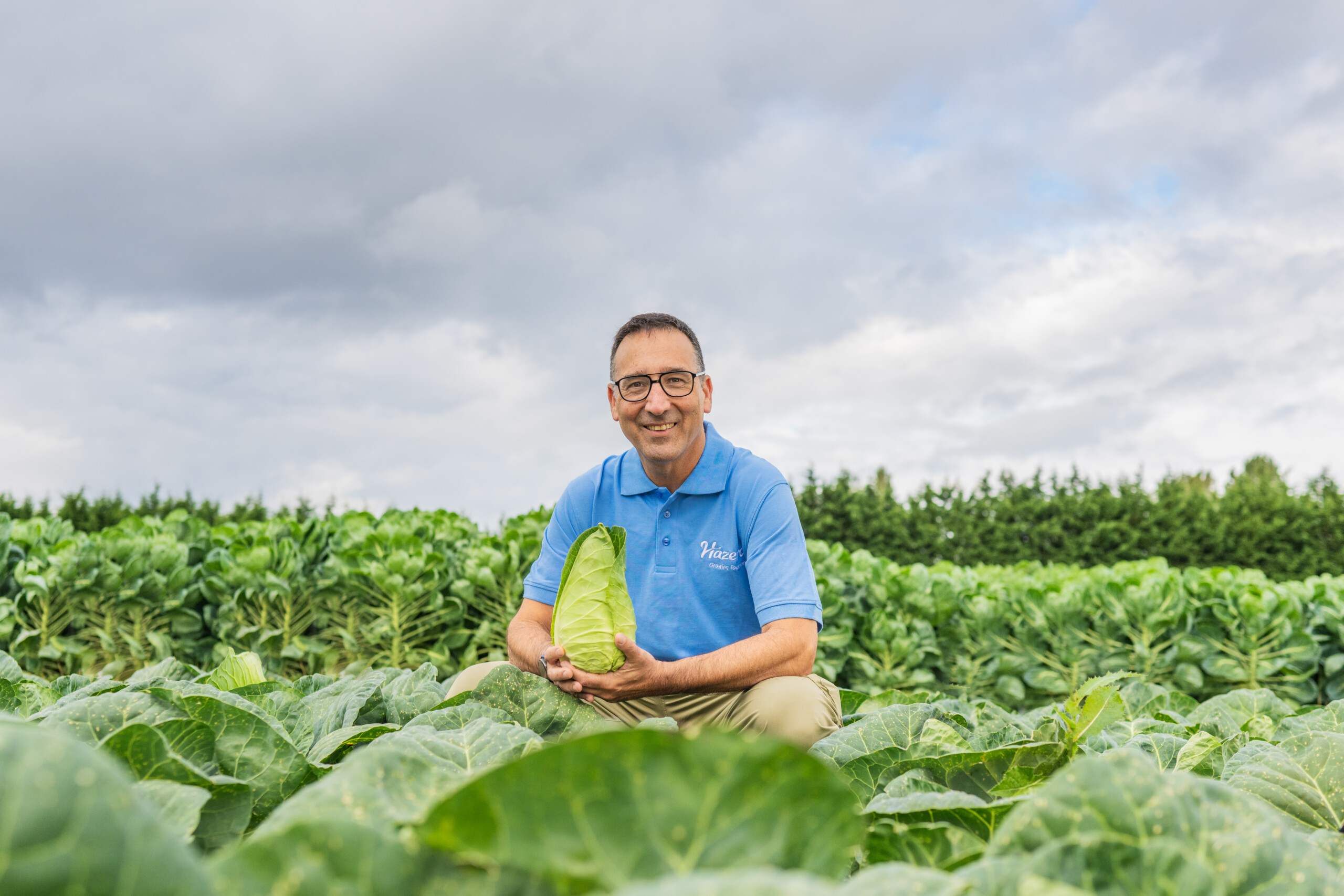
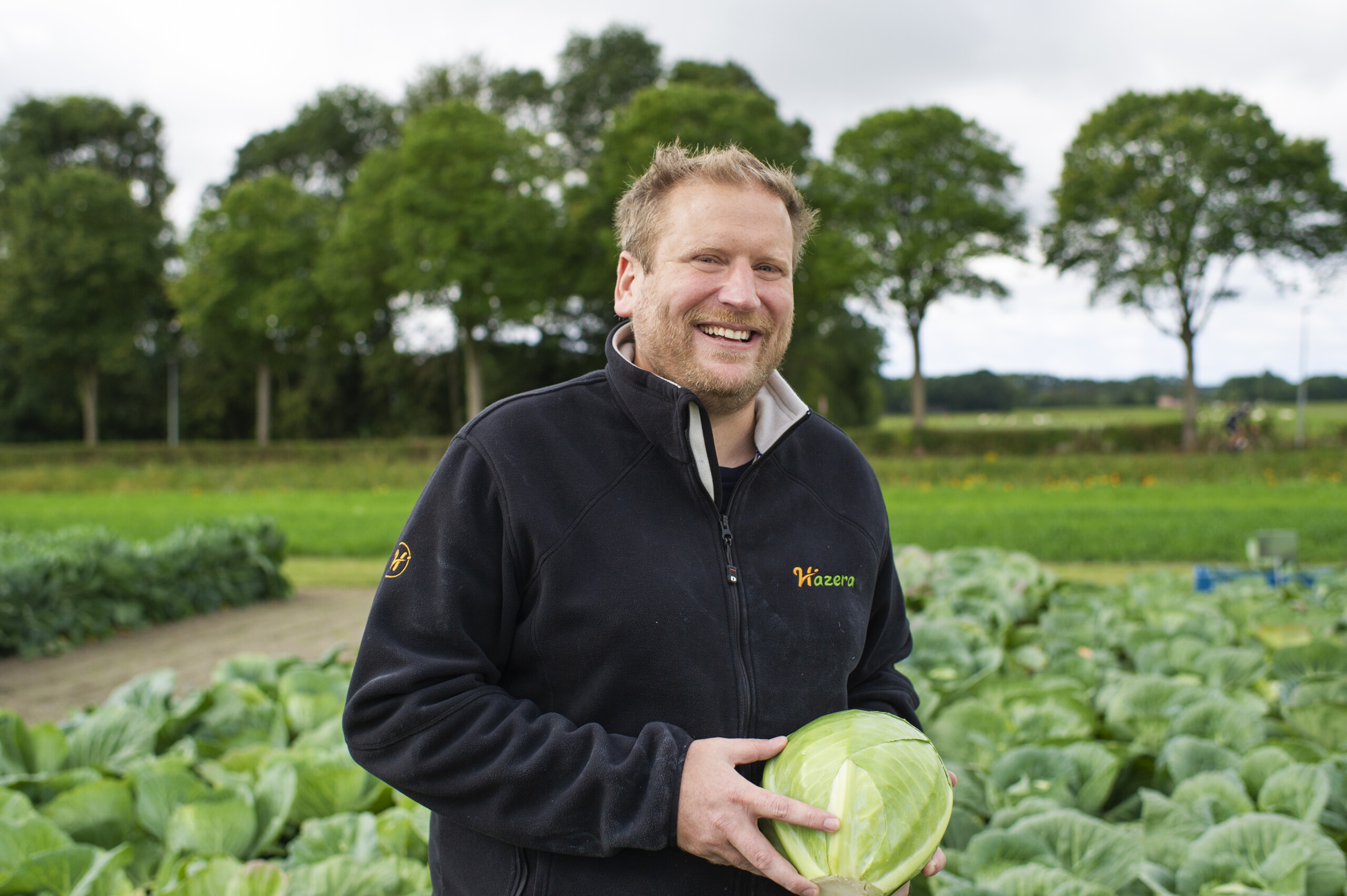
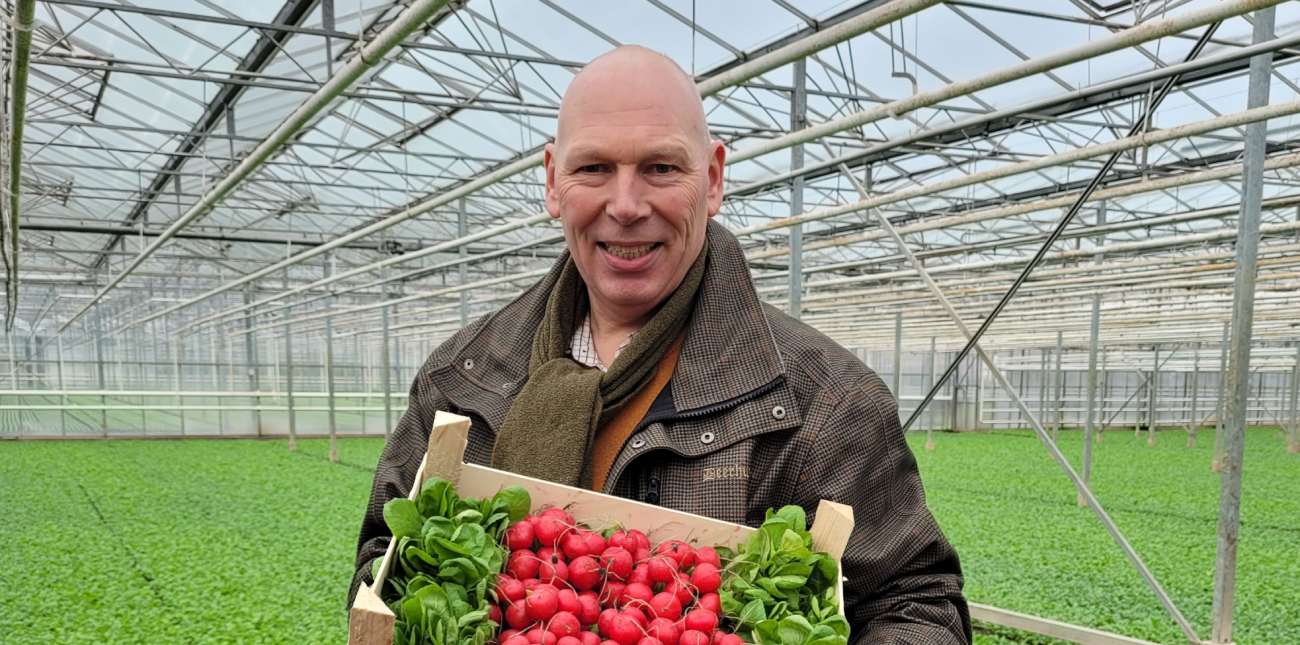
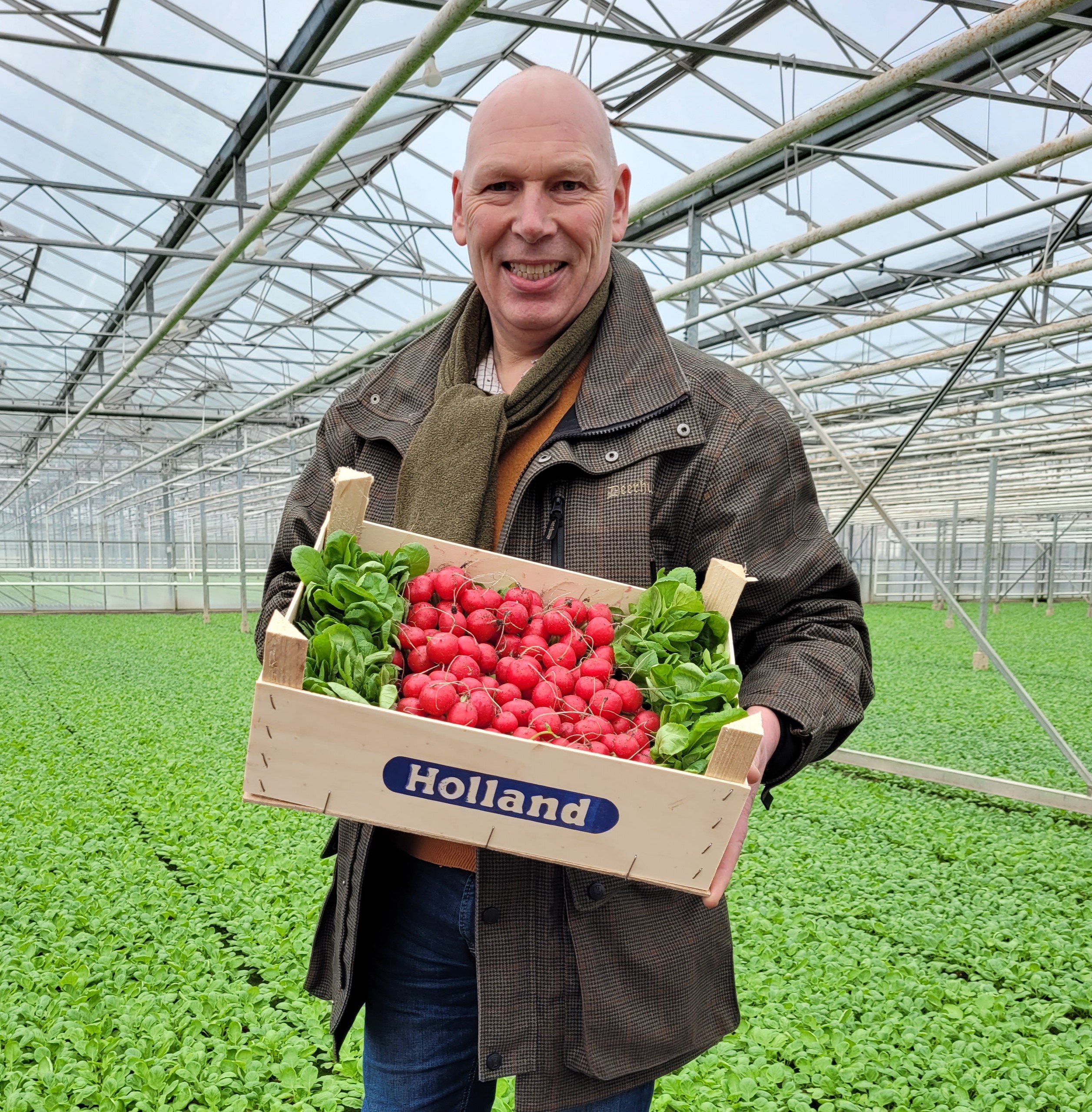
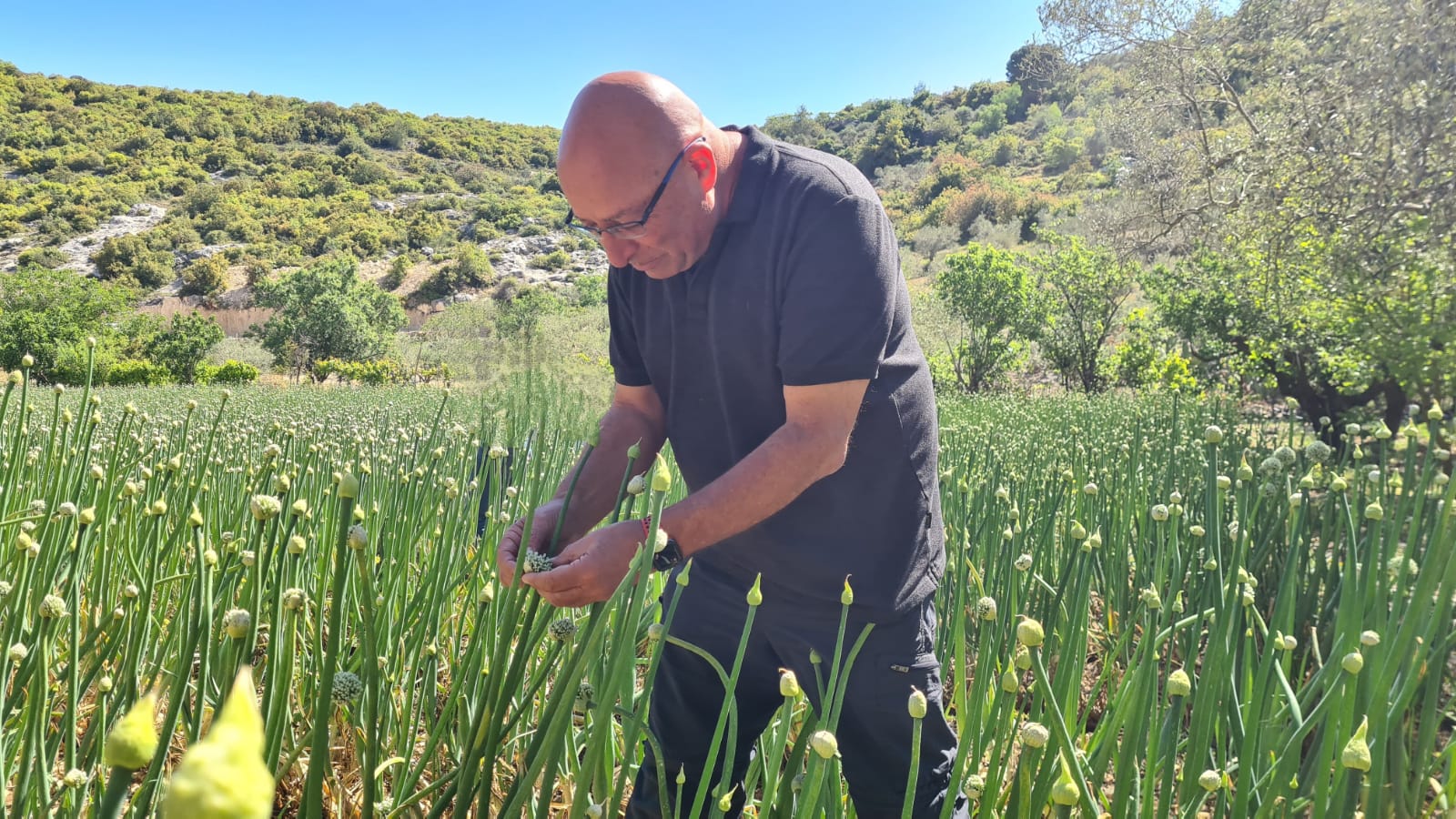
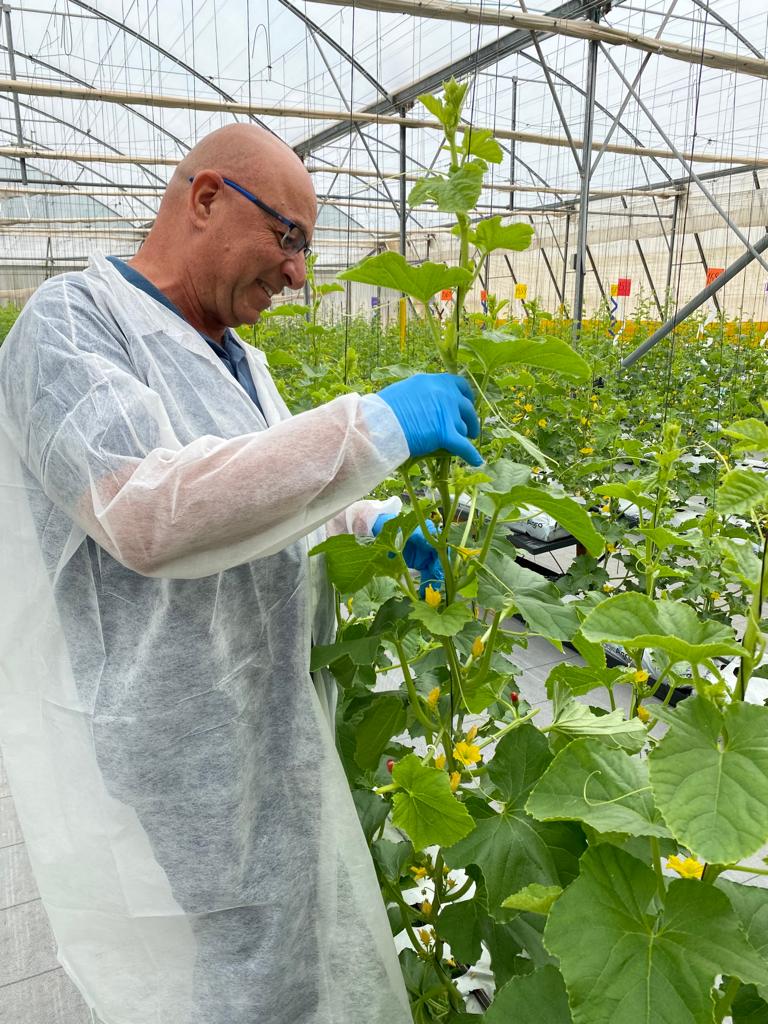
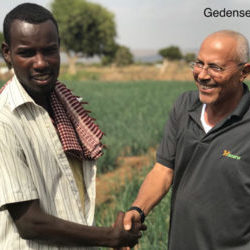
At Hazera, we value the people who have helped shape our company over the years. In this Heritage Edition, we reconnect with colleagues who have either moved on from Hazera or have been part of our team for many years. Today, we speak with Arthur Zuidweg, Supply Chain Planning Expert. For more than 40 years, Arthur has been an integral part of Hazera’s story.


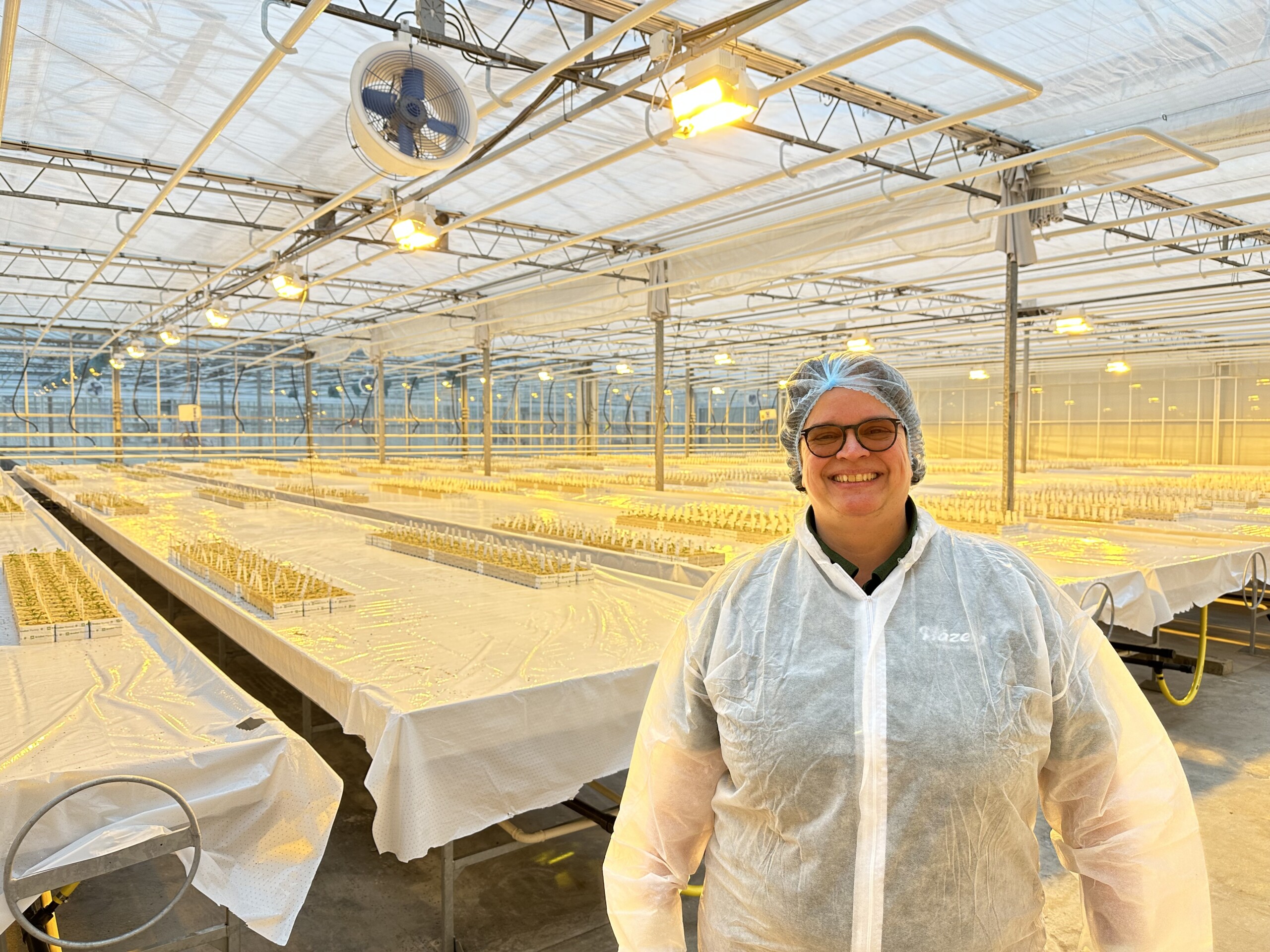
Arthur began as an assistant bean breeder, coming from a background in garden architecture. Introduced to the seed business by his father-in-law, this step proved life-changing — bringing him not only a lifelong career but also a lifelong marriage. Arthur’s current role is Planning expert within the Supply Chain department.
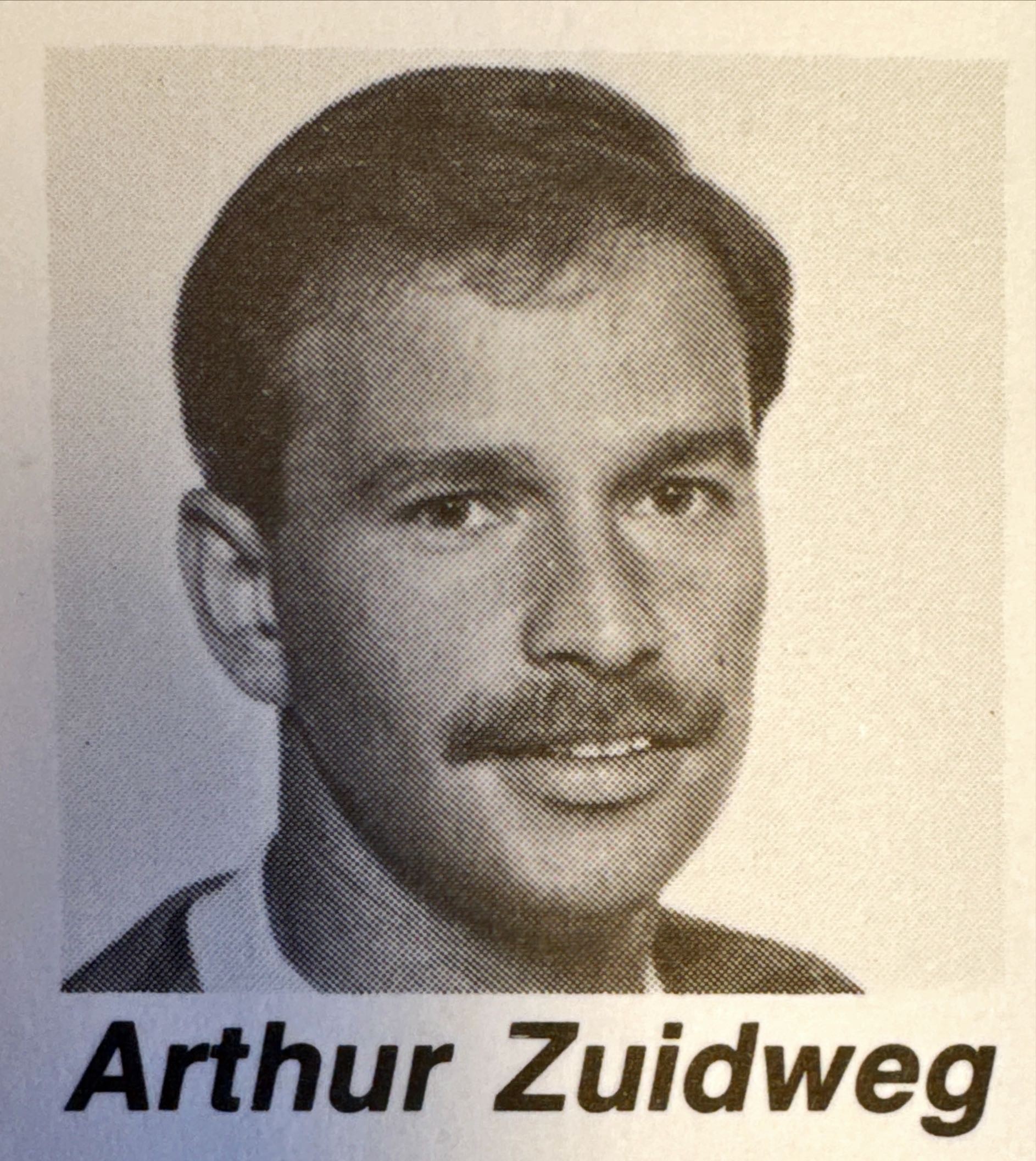
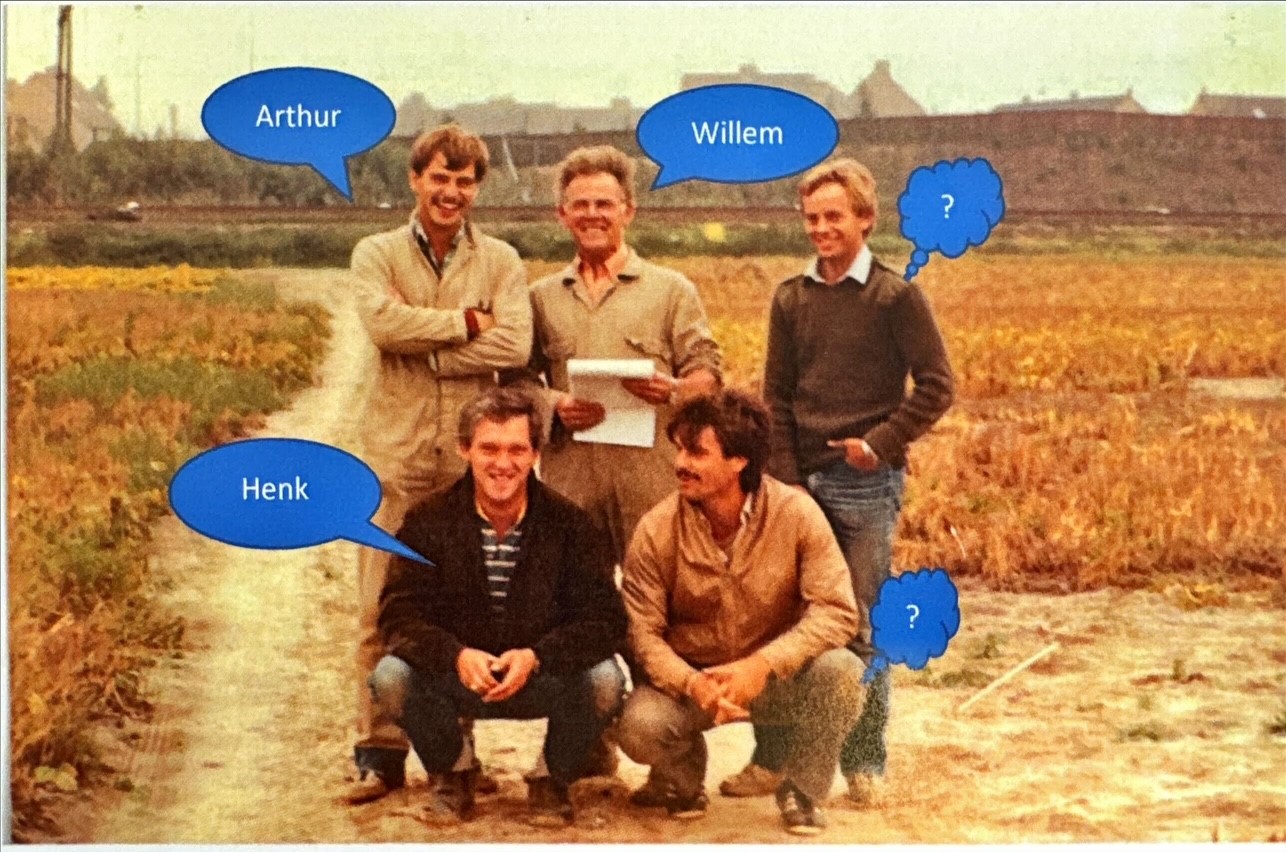
From beans to supply chain, Arthur has seen it all. “Back in the day, we even did the quality checks ourselves. NAKTuinbouw trained me for this,” he recalls. Beyond work, Arthur treasures his family, with whom he shares many proud memories and joys, including his grandchildren.

What is a common myth about your job or field of expertise?

“There’s a common myth that Supply Chain ‘knows’ everything or can fix every problem. In reality, while we do play a central role — acting as the spider in the web between production, processing, demand planning, and sales — our real strength lies in connecting the dots.” Arthur explains that it’s Supply Chain’s responsibility to bring the right people and processes together. “But it’s important to stress that solving every issue requires collaboration across the organization. It’s never a one-team effort.”

In your opinion, what is the most important personality trait someone should have to work in your industry?

“In Supply Chain, you need to work well under pressure and show resilience. It’s about maintaining a helicopter view while staying calm and collected — especially during the high season, when stress levels can be intense,” explains Arthur.

Tell us about a project you’re proud of and why?

“I’ve been a Supply Chain Manager and Team Lead for more than 12.5 years. Beyond the business responsibilities, I truly enjoyed leading a team — it was a rewarding experience, and I’m proud of the team I had the opportunity to build. The personal connections mean a great deal to me.”

Arthur also benefited from the support of his wife, who managed a large team herself. “Exchanging experiences and learning from each other was inspiring, and she often offered me an invaluable ‘outside-in’ perspective.”

What does “Hazera – Growing Together” mean to you?

“Literally growing together. With a sense of unity and solidarity, we do this as a team — taking care of each other, listening to one another, and showing respect, even in our differences.” Arthur is convinced that that’s very important nowadays.

Tell us something interesting/funny about you most people don’t know.

“In my spare time, I enjoy woodworking with my son. Together, we design and create wooden tables with epoxy. Woodcraft is my hobby, and it’s even more special because I get to share it with him.”
What lessons have you learned in 40 years that you would pass on to younger colleagues?

“Over the years, I’ve witnessed the company’s growth, marked by rising sales and an expanding crop portfolio,” Arthur says. “But beyond the business achievements, the most valuable lesson I’ve learned in four decades is the importance of truly listening. When we listen to each other, we gain deeper understanding. And that’s how we find the best solutions together.”

What do you hope the company will achieve in the years ahead?
Arthur doesn’t beat around the bush: “We strive to be the market leader in onions.”

If we opened a time capsule from your first year here, what would we find inside?
“A forklift would be in the time capsule because it symbolises those early years of hard, hands-on work. And,” Arthur continues, “it reflects the practical side of my role, the dedication to keeping everything moving, and the way we all helped lay the foundation for what the company has become today. It’s more than just a machine, it represents reliability, effort, and the essential contribution we made from day one.”


Do you want to stay connected with our Hazera people?

Follow us on our social media channels to stay connected with our Hazera people! If you have any questions left, don’t hesitate to ask them via our contact page!

More News

Meet the People Behind the Crops – Heritage Edition: Wim van der Heijden

At Hazera, we value the people who have helped shape our company over the years. In this Heritage Edition, we’re reconnecting with colleagues who may have left the workplace, but whose contributions are still part of our story. Today, we speak with Wim van der Heijden, retired breeder and product development specialist from Kaatsheuvel (NL). Wim played a key role in the development of important crops and helped build the foundation that still supports our work today, a great example of what it means to grow together.


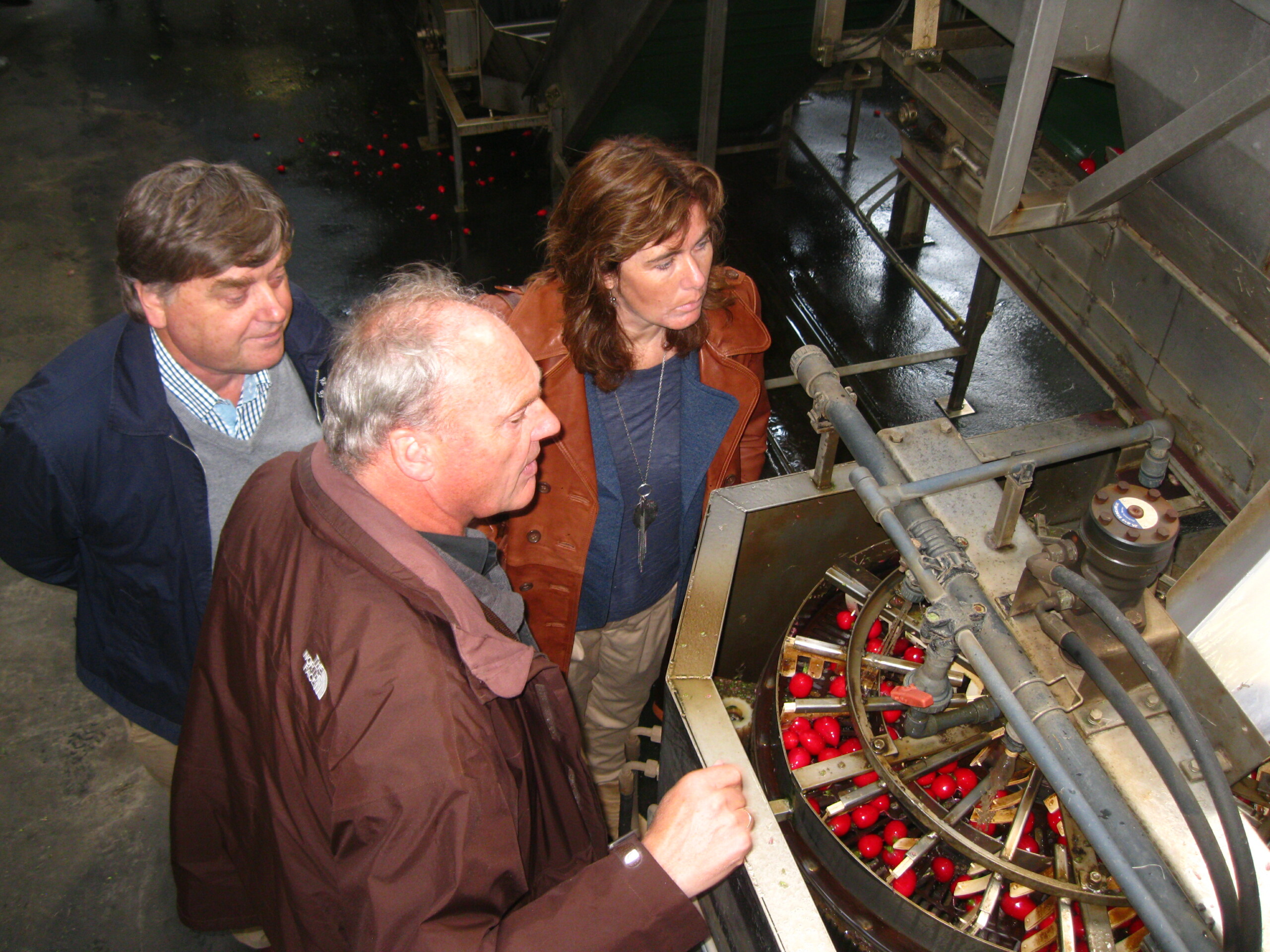
Wim, father of two daughters and grandfather of four grandchildren, worked at Hazera for nearly 40 years before retiring in 2019. After studying at the Higher Agricultural College, he started in 1981 as an assistant breeder in Stompwijk. There, he worked on bush beans, parsley, and other legumes. After about five years, he was transferred to the Tuitjenhorn location, where he spent another five years working as a breeder for radish, and later also for red beet and carrots.

“You can hardly imagine it now,” Wim says, “but back then there was no marketing department. Breeding and sales worked together, which sometimes led to large stocks of seeds that couldn’t be sold.” To improve this, a marketing department was set up. Wim became part of this team as Product Development Specialist for the root and bulb crops, which at that time included nearly all vegetable crops Hazera was active in.

Around 2000, Wim became Product Manager for onions, radish, leek, and red beet, and served as backup for carrots. Until his retirement, Wim remained active as Product Manager. In the last eight years, his focus was mainly on onions and radish. He led colleagues in various countries and worked on defining and developing the traits varieties needed to have.

What is a common myth in your field of expertise?
Wim laughs as he recalls a story that used to circulate: “A colleague once said courgette seeds germinate better if you put them under your pillow at night and sow them the next day. Whether it’s true? No idea, but it was a funny theory!”

In your opinion, what is the most important strength someone needs to be successful in your job?
Wim doesn’t have to think long. Good collaboration with colleagues and perseverance are, in his view, essential. “With onions, for example, a biennial crop, it takes about six years to go from A to B. It requires a lot of patience and endurance.” He also believes you shouldn’t be too theoretical. “I need to hold a product in my hands to judge whether it has potential. You can’t be afraid to get your hands and feet dirty,” he jokes.

Wim van der HeijdenTell us about a project you’re proud of and why.
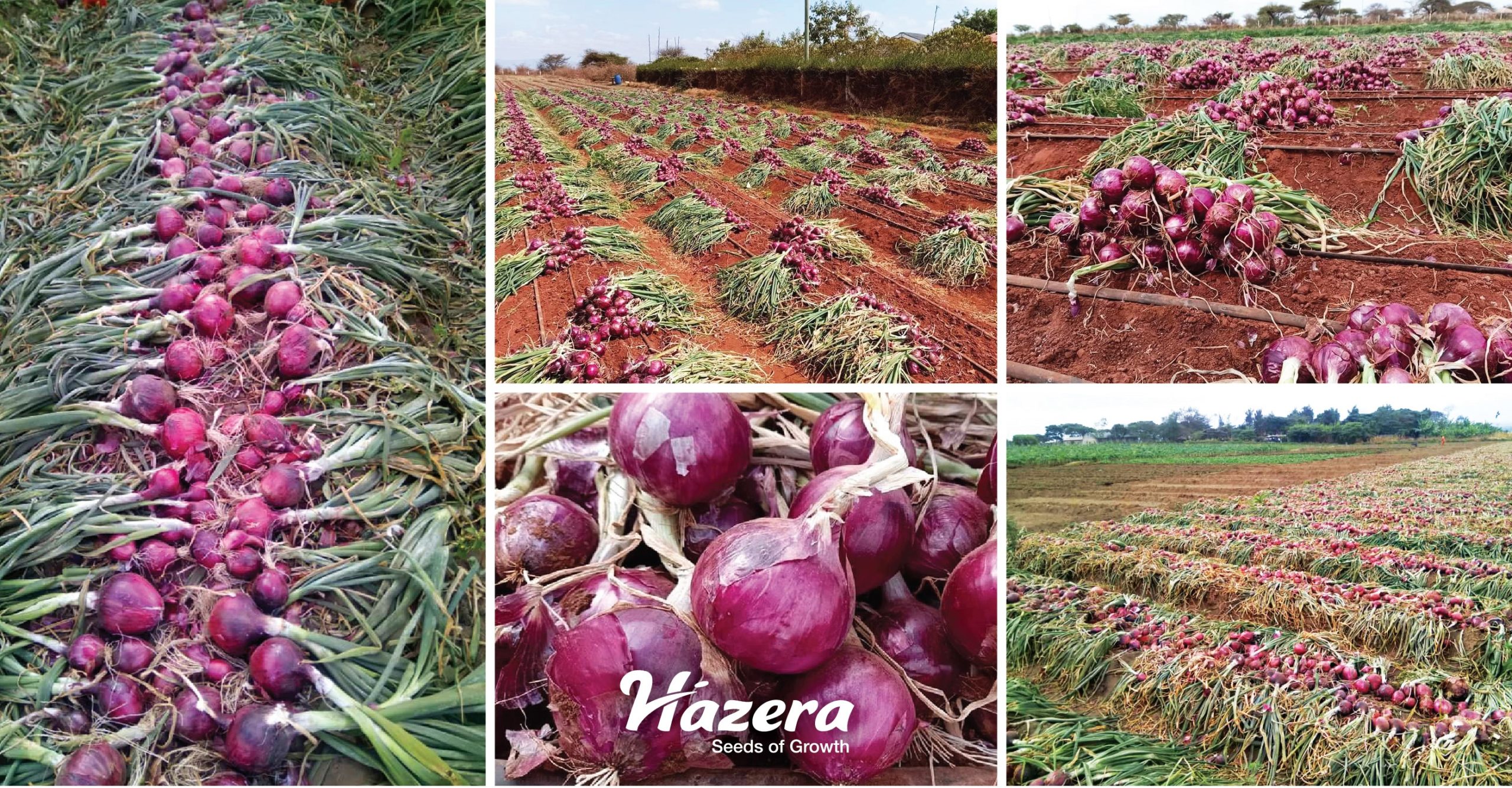
After a career spanning nearly 40 years, there are of course many projects to look back on. Wim is especially proud of the development of firmness in Hazera onions. He explains that Hazera was one of the first companies to purchase a firmness tester. “Every onion from every line was manually pressed to determine firmness and select the best. That project took about 15 years, but we really hit the mark with it. The Centro and Dormo varieties resulted from it.” Hazera still offers these varieties. And according to Wim, that’s likely to continue due to their unique characteristics. “Also worth mentioning,” Wim adds, “is that Hazera was one of the first to develop downy mildew resistance in onions. That was quite a breakthrough in onion breeding.” Wim has plenty more to say about onions. He enthusiastically talks about Hazera’s growth: “In the Benelux, we started with a 2 to 3% market share in onions. Thanks to the right varieties in terms of yield, firmness, sprouting tolerance and storability, we grew to almost 30%. We completely turned the market upside down.”

What does “Hazera – Growing Together” mean to you?
During the interview, Wim repeatedly emphasizes how Hazera grows as a team.
“Of course you’re never alone. We do everything together with the breeding team, the sales team, etc. We started with a 2 to 3% market share in onions. That’s nothing, right? Farmers didn’t even know us. And to turn that into almost 30%, we achieved that together.” Wim is also proud of what Hazera achieved in radish by working with the same breeders. “Stability is very important, and that’s how you achieve the best results. I had the great privilege of choosing my own people. That’s a big plus, because you always choose people who suit you and have the right background. They were truly committed. That kind of motivation really makes a difference.”Wim van der HeijdenTell us something about yourself that most people do not know.
“What most of my former colleagues probably don’t know,” Wim explains, “is that I always wanted to be a farmer. That never really came up at work.” Since he didn’t come from a farming background, he worked on a farm during school to gain hands-on experience. Wim continues: “That’s where I learned the tricks of the trade. Looking back, it really laid the foundation for my role as a breeder.” Things could’ve turned out very differently though. Originally, Wim planned to go into livestock. But after a crop farming internship, he changed direction. “Yes, I loved it,” he says with a smile. “And believe it or not: I only wrote one job application, and that was to Hazera!” Except for one short detour, Wim stayed until he retired. A career to be proud of!


Do you want to stay connected with our Hazera people?

Follow us on our social media channels to stay connected with our Hazera people! If you have any questions left, don’t hesitate to ask them via our contact page!

More News

Insignia, the Golden Revolution

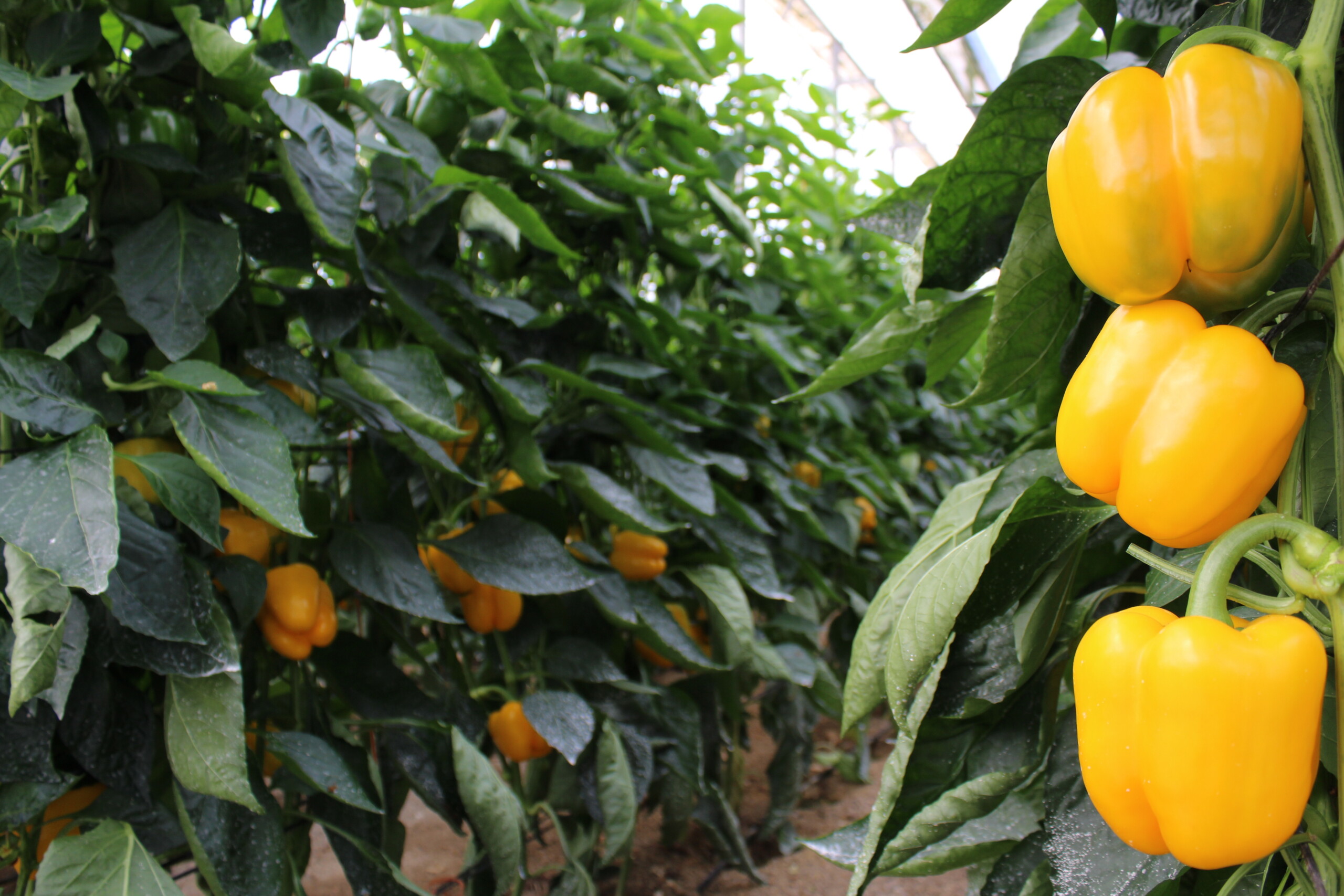
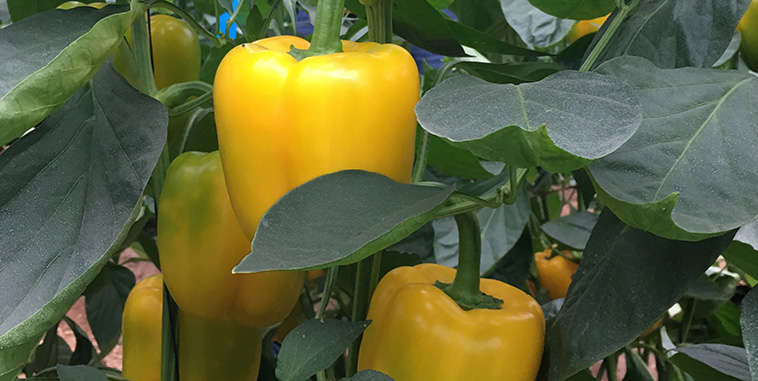
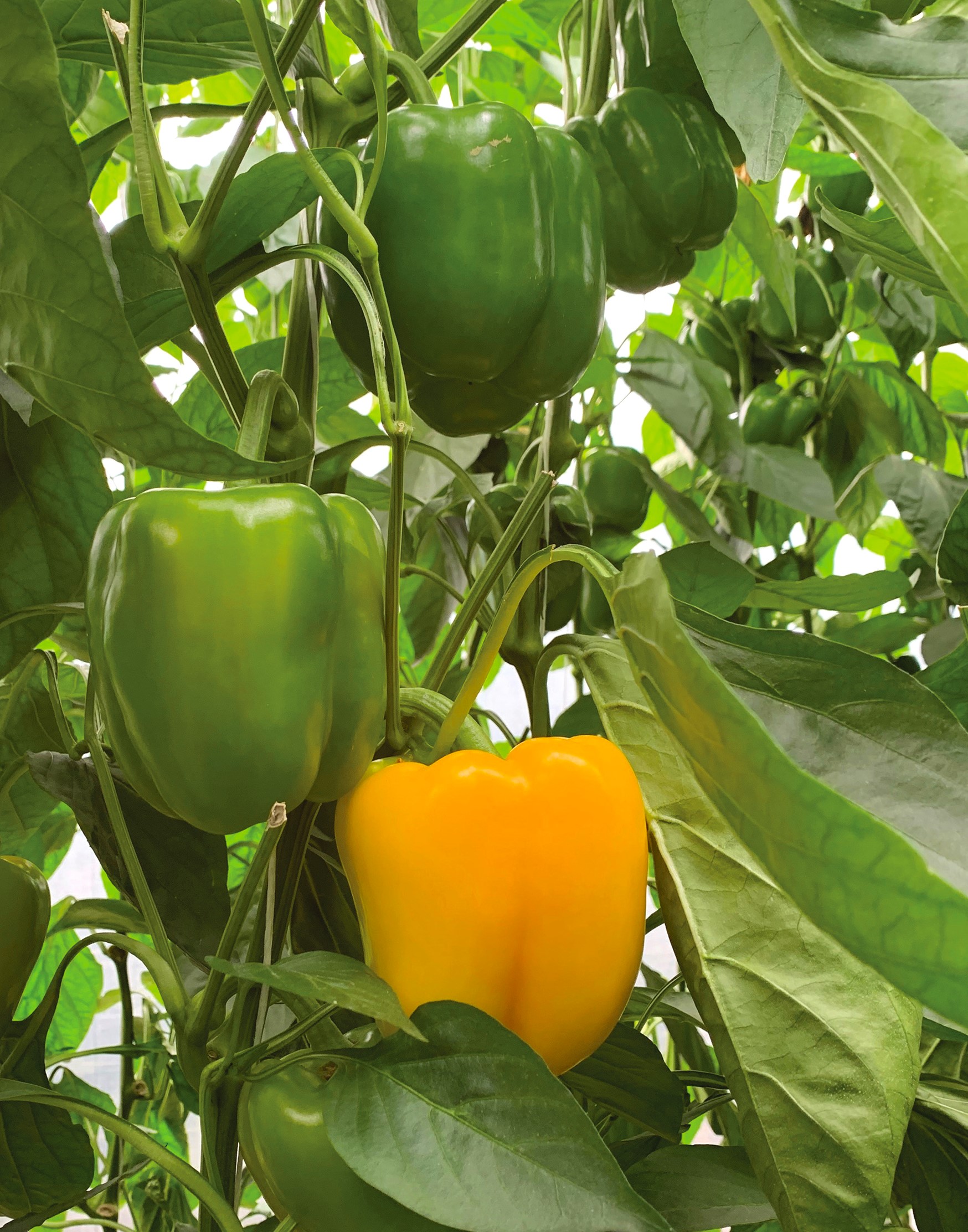
Spanish growers have long sought a pepper that combines vibrant color with an ideal fruit size, especially suited for the popular Flow Pack packaging format demanded by markets like the United Kingdom.


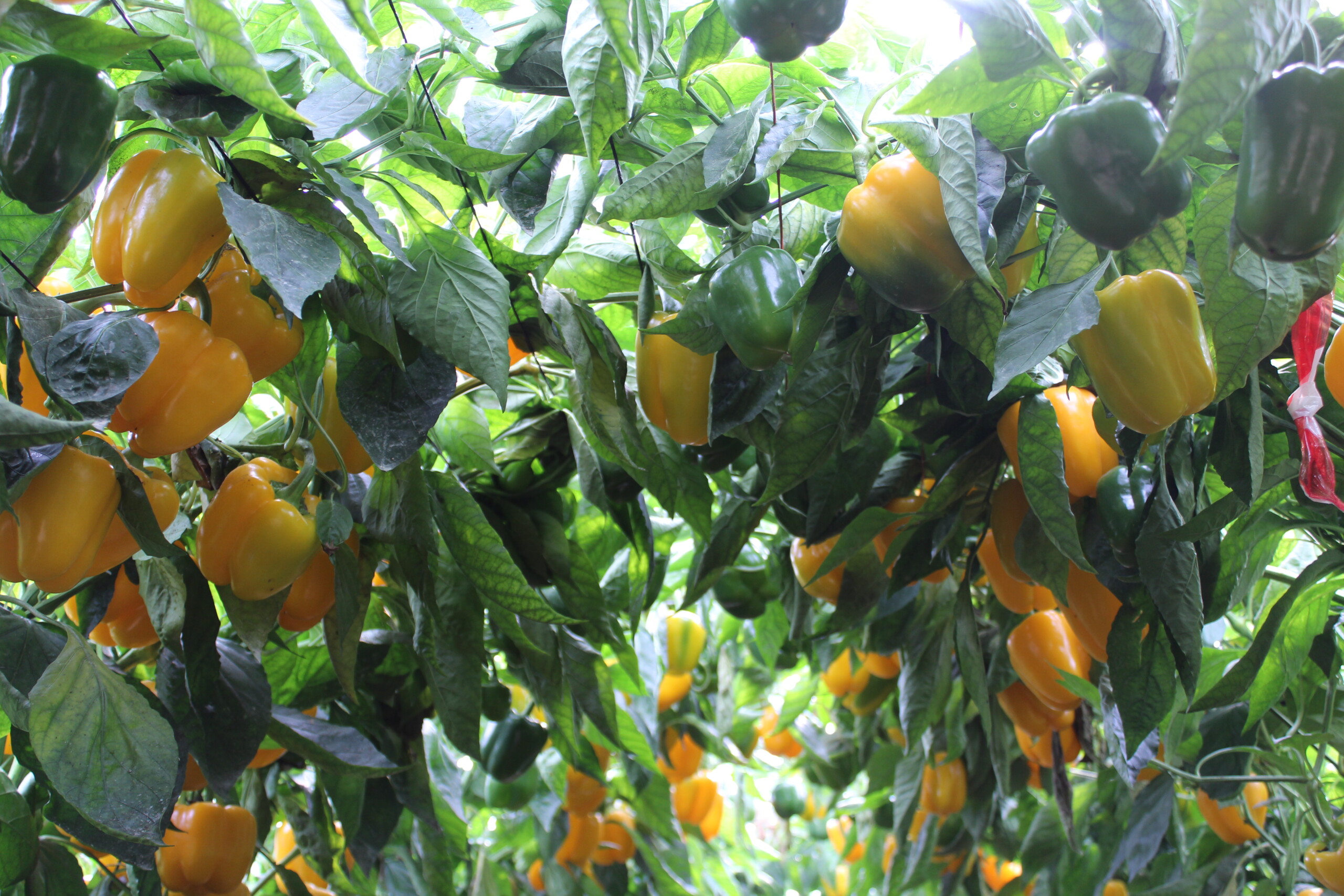
Hazera developed Insignia, a standout yellow blocky pepper, with exactly these needs in mind, bringing a high-quality option that meets market standards and consumer expectations. Insignia was introduced six years ago to the Spanish market and is cultivated specifically for greenhouse environments. 

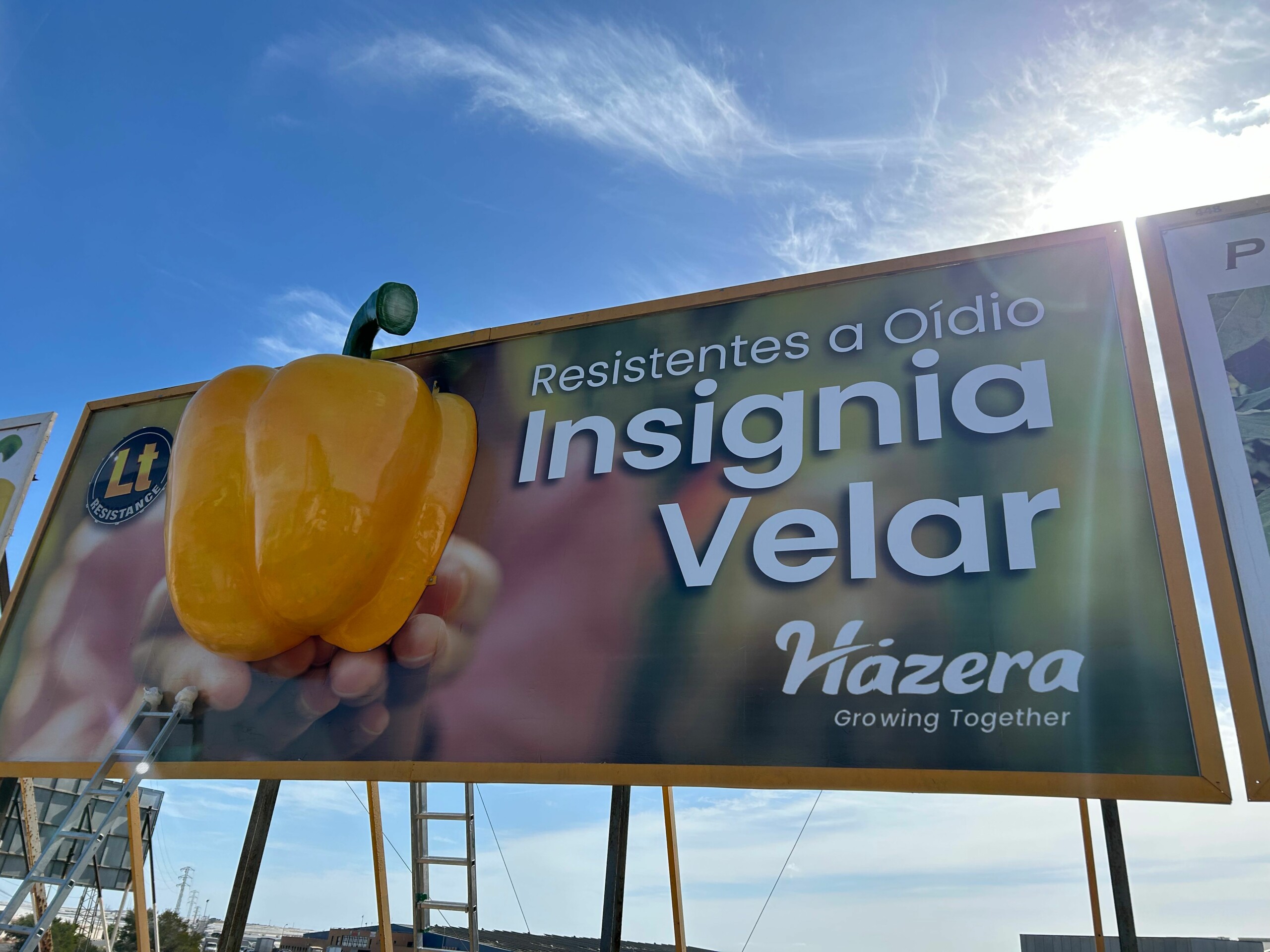
Insignia is more than just an attractive yellow pepper. It has been a game-changer in sustainable farming practices. As one of the first yellow pepper varieties to offer Lt resistance, Insignia allows growers to cultivate under reduced treatment conditions, helping to reduce chemical dependency.

As a global leader in the seed industry, Hazera knows that success starts with trust. Initially, some growers were hesitant to embrace the reduced treatment approach, even with Insignia’s disease resistance. Demonstrating our dedication, we worked side-by-side with growers, sharing expertise and crop management tips to help them overcome their concerns.

Jose Manuel López Vargas, a grower from Almeria who has been cultivating Insignia since its debut, stated: “Insignia is a high-yield variety, giving me confidence year after year. I plan to continue growing it in the years to come.”

Today, Insignia is the leader for early-season production in Spain, with nearly 50% of the market share. Its adaptability has also been proven in successful trials in Poland, reflecting Hazera’s ability to combine global innovation with local expertise. This variety enables growers to achieve high yields and provide fresh, nutritious produce to northern Europe during the winter months—a testament to our belief that the fruits of our labor strengthen people and communities worldwide. 

As a testimony to Insignia’s success, when the cooperative MABE in Almeria conducted a thorough evaluation of the variety, their quality control manager, Jesús Alvarez, said: “This variety meets all our requirements, enabling us to provide our customers with a Flow Pack program of great quality, featuring vibrant yellow color, size, and consistency.” 

Looking ahead, Insignia is expected to maintain its leadership position, backed by Hazera’s ongoing commitment to innovation. New hybrids are in development to reinforce our dedication to offering resilient, high-performance varieties. At Hazera, we remain focused on creating seeds that empower growers, enrich communities, and contribute to a healthier, sustainable future. 

Would you like to learn more about Insignia? Don’t hesitate to contact us.

More News

Meet the people behind the crops: Maria Martinez

At Hazera, we are proud of our dedicated team, which works passionately to provide our growers with the best products. While we tend to put our products in the headlines, it is the Hazera team who are behind our success. Let’s shine the spotlight on Maria Martinez, Marketing Communications Manager from Almería, Spain.


Maria Martinez is 30 years old and has been with Hazera for almost nine years. She started in finance at Hazera and gradually began combining both finance and marketing communications. “When I started, the Marcom department didn’t exist at all. We only had a Facebook page but we didn’t use Instagram or other platforms,” Maria explains. “So I created the Marcom department. Then we began to professionalise our marketing actions more and more.” While she also handles finance responsibilities—sometimes stepping in for the finance manager during maternity or sick leaves—her passion lies in marketing. “While finance is all about clear numbers and predictability, marketing allows me to think outside the box, be creative, and work on something different every day.”

Maria’s connection to agriculture runs deep through her family. “My family has a greenhouse, and they have been working in agriculture for years. My grandfather also had a open fields where he used to grow all the fruit and vegetables that they ate in the house. I remember when I was a child, I used to go to the open field with my cousins and grandparents in the afternoon to pick up apples, lemons, and potatoes. So, I’ve been in contact with agriculture since I was a child.”

What is a common myth about your field of expertise?

“I think that in these last two years, people have been thinking of Hazera Spain as a company that innovates a lot and is always doing different things,” Maria shares. She recounted how their innovative approach has become their signature:

“Last year we did 3D billboards which we placed along the highway, and one girl saw the billboard, only seeing a flash of the Hazera logo. But she immediately asked me, ‘Is that 3D billboard from Hazera?’ When I said yes, she replied, ‘I knew it had to be from Hazera because it’s something very different, very innovative, and this is something only Hazera does.'”

Maria continues, “People always say we’re the only company doing very different activities. When we go to fairs, everybody likes to visit our stands because they know they’ll see something totally different compared with the rest of the companies. Marketing is very important, because it often is the first glimpse you get from the company.”

In your opinion, what is the most important personality trait someone should have to work in your industry?

Maria emphasises that “the secret of Hazera Spain is the team. When you enter the company, the feeling is that everybody is working, but if someone laughs, another laughs also. We try to have a very good environment.” She stresses the importance of connection in marketing work: “For social media, for different events, you need to have a good connection with people. Because even though we sell products, we’re a company that works for people. It’s very important to have a good positive attitude. Never say this is impossible. Especially in marketing, flexibility is crucial. If you can’t do something today, tomorrow you can.”

Tell us about a project you’re proud of and why.

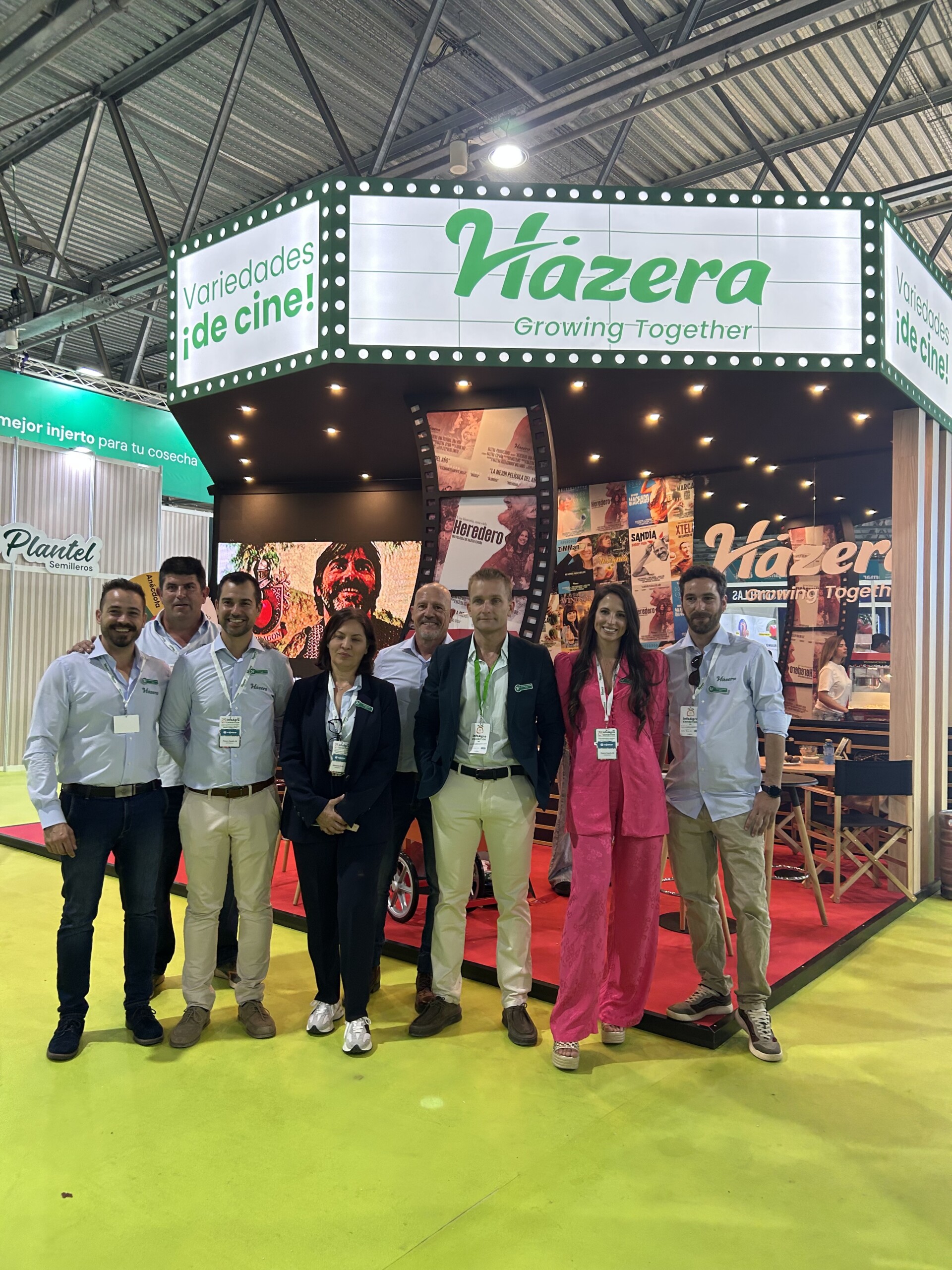
“This year I’m very proud of the cinema campaign, and I am not only proud because of the result, but also because of the process,” Maria says enthusiastically. The ambitious project began when General Manager Manolo mentioned being at the cinema with his daughters and suggested doing something cinema-related. “We thought about this campaign in July of last year. We couldn’t tell anyone anything because if another company did something similar with cinema, the campaign would have been a total disaster.” The comprehensive campaign included a 15-minute film about the Heredero tomato variety, cinema advertisements for other varieties like ZiMMan, Nemeton, Pendragon, and Windsor, billboards designed like movie clapperboards, a Women’s Day cinema team-building event, and a premiere complete with red carpet. Despite challenges, including unexpected rain during filming in typically dry Almería, the campaign was a tremendous success. “This was Heredero’s first commercial year, and we sold all the seeds. Our marketing campaign had a result.”

What does “Hazera- Growing Together” mean to you?

For Maria, Growing Together represents collaboration at every level. “I do a lot of collaborations with influencers, and with other companies. I think the right way to grow is to collaborate because we can learn together. Also, Growing Together is reflected in our commitment to the clients— for example, this year we celebrated family days and invited people to the cinema to see our film. We don’t want to only involve the clients with Hazera, but like to involve their families as well. Because if the family is involved, they’ll have a good vision of Hazera and they are going to talk to other people about Hazera.”

Tell us something about yourself that most people do not know.

“The majority of people, external and sometimes internal, think that I studied marketing because I do everything related with marketing. But the reality is I studied finance and accounting,” Maria reveals with a smile. “Everything I learned was by myself. I did a lot of online courses, learning how to edit videos, how to create good social media planning. When I started in marketing it was like an obsession for me. I started following marketing companies, reading marketing books, and listening to marketing podcasts. While finance taught me precision, it’s marketing that allowed me to think beyond limits and write the story I’ve always wanted to tell.”

Do you want to stay connected with our Hazera people?

Follow us on our social media channels to stay connected with our Hazera people! If you have any questions left, don’t hesitate to ask them via our contact page!

More News

Meet the people behind the crops: Juan Montes

At Hazera, we are proud of our dedicated team, which works passionately to provide our growers with the best products. While we tend to put our products in the headlines, it is the Hazera team who are behind our success. Let’s shine the spotlight on Juan Montes, Product Development Specialist Tomato from Almería, Spain.


Juan Montes, father of two, was born in a coastal town in Almería, Spain. “Fortunately, I grew up surrounded by beaches and greenhouses, and since my father is a farmer, my connection with the crops was inevitable. So, I studied agricultural engineering at the University of Almería and started working as a crop advisor in 2004. After a little more than two years, I changed sectors and began working as an engineer in the technical department of a public works company. However, my love for crops led me back to technical advising for seven years at a large export company. Finally, I joined Hazera in 2014 as the development manager for tomato cultivation, where I remain to this day.”

What is a common myth about your field of expertise?
“In the agricultural sector, seed companies and the people who work for them are well received because they always bring new developments. However, we are rarely fully trusted, and it is often thought that our goal is only to sell at all costs.” Juan shook his head and said, “but nothing could be further from the truth. It is true that we aim to sell and repeat the sale year after year, but what we really seek is a partner who evolves and works with us, and we strive to build long-term partnerships, where both parties benefit and is built on trust.”

In your opinion, what is the most important strength someone needs to be successful in your job?
Juan said that “listening and understanding are the most essential traits.” He continued saying that “many times, we are eager to explain our materials, varieties, and their advantages, but perhaps we do not fully understand the focus, which leads to frustrations. Properly listening to and understanding the needs of the growers, the supply chain, and the consumers are the keys to success in our business.”

Tell us about a project you’re proud of and why.
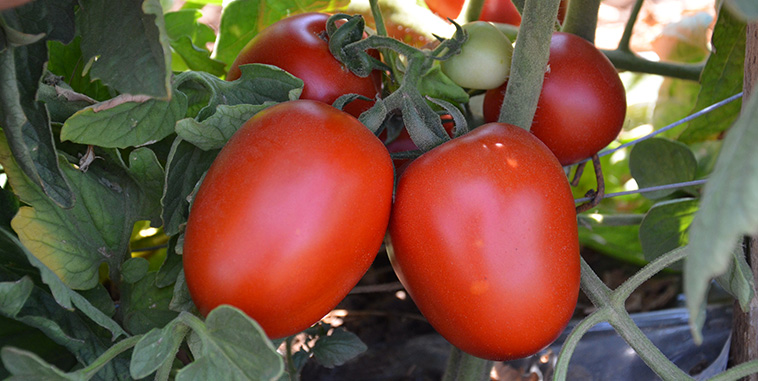
“Over my ten years at Hazera, I’ve been part of many projects, but I’m especially proud of my growing involvement in Fresh Chain. This initiative allows me to deepen my knowledge of cultivation and markets while gaining a broader, global perspective on the business. It also gives me the opportunity to collaborate with colleagues from diverse countries and cultures,” Juan shared enthusiastically then he added, “It’s not just exciting—it’s also a significant challenge. A great example is our exceptional Roma tomato, Heredero. I have the privilege of showcasing it to customers in various countries, including Mexico, Morocco, and Spain, where it has been performing well. Heredero embodies everything we strive for: outstanding quality, firmness, ideal shape and size, high production, and most importantly, resistances, especially against ToBRFV.”

What does “Hazera- Growing Together” mean to you?
Juan said that for him Grower Together means “on one hand, growing myself as a professional, thanks to the development opportunities provided by Hazera and the chance to meet incredible people and professionals from other countries, whom I also see evolving. On the other hand, seeing how the growers, who work with us, grow thanks to our varieties and recommendations.”

Tell us something about yourself that most people do not know.
“Although everyone sees a logical progression in my career—being the son of a farmer, growing up surrounded by greenhouses—it’s normal to be linked to this job/sector. But the truth is, for me as a child going to the greenhouse when we misbehaved was a punishment by my father. When I got to university and told him I wanted to be an agricultural engineer, he was perplexed and when I started my studies, I discovered a new world and began to see plants differently. Fortunately.” Smiled Juan.

Do you want to stay connected with our Hazera people?

Follow us on our social media channels to stay connected with our Hazera people! If you have any questions left, don’t hesitate to ask them via our contact page!

More News

Galilea Tomato: The Untold Story Behind Its Global Success

The Hazera Tomato team was taken by surprise when their determinate open field variety, Galilea, became a long-standing blockbuster. It is because Hazera was traditionally known for its indeterminate greenhouse varieties and globally grown round tomatoes.


Launched 15 years ago in Mexico, Galilea significantly impacted global tomato cultivation with its large fruits and robust plants, allowing for high yields and quality previously unseen in open field tomato productions.

Building on Galilea’s success in Mexico, the tomato team took a leap of faith and introduced Galilea in different parts of the world, where with its properties, Galilea overshadowed local varieties. Let’s have a look at some success highlights:

In California, Galilea is cultivated as a bush or staked and is sold in many American retail stores.

In the Ethiopian market, Galilea had such a successful launch that it became synonymous with quality tomatoes. The firmness and low juice content of the fruit made Galilea ideal for transportation, a critical factor for local farmers and traders.

Galilea revolutionized Turkey’s summer tomato market. Initially, the Turkish market was characterized by low quality varieties, but it became evident that growers who had experience with Galilea were willing to invest more in its quality seeds as they were able to charge a premium price for the produce.

“From the beginning Galilea gave us the feeling that it was going to be a blockbuster variety. We recognized that customers were coming to us instead of us having to go to them. We didn’t need to invest heavily in marketing or promotion because the variety spoke for itself.” ~ The marketing team.

Despite its success, Galilea faced challenges in certain regions due to emerging fungi and viruses. This recognition led to investing the expertise and efforts of our R&D team into finding solutions to these challenges. Our R&D and team of breeders developed several new commercial hybrids resulting in the birth of the “Galilea family,” which fights against Fusarium 3 fungus, Powdery Mildew, and TY virus. All while preserving the superior genetics and fruit qualities of Galilea and keeping its position as a versatile choice for growers.

“Galilea is the variety that made Hazera one of the leaders in the world’s open field tomato segment.” ~ Ezri Peleg, Global Breeding Lead for Tomatoes.

Adding on its success, in 2020, Galilea achieved a remarkable milestone by recording the highest sales for a single variety and by being sold in almost 40 countries. This achievement underscored Galilea’s status as the leading tomato variety in sales, bringing pride and a sense of accomplishment to everyone involved in its development and cultivation.

Galilea’s success story is a testament to the power of targeted breeding programs and the adaptability to diverse agricultural challenges. Its high yield, exceptional quality, and robust resistance to various diseases have set new standards in tomato cultivation globally, ensuring its continued dominance and popularity in the market.

Would you like to learn more about Galilea? Don’t hesitate to contact us.

More News

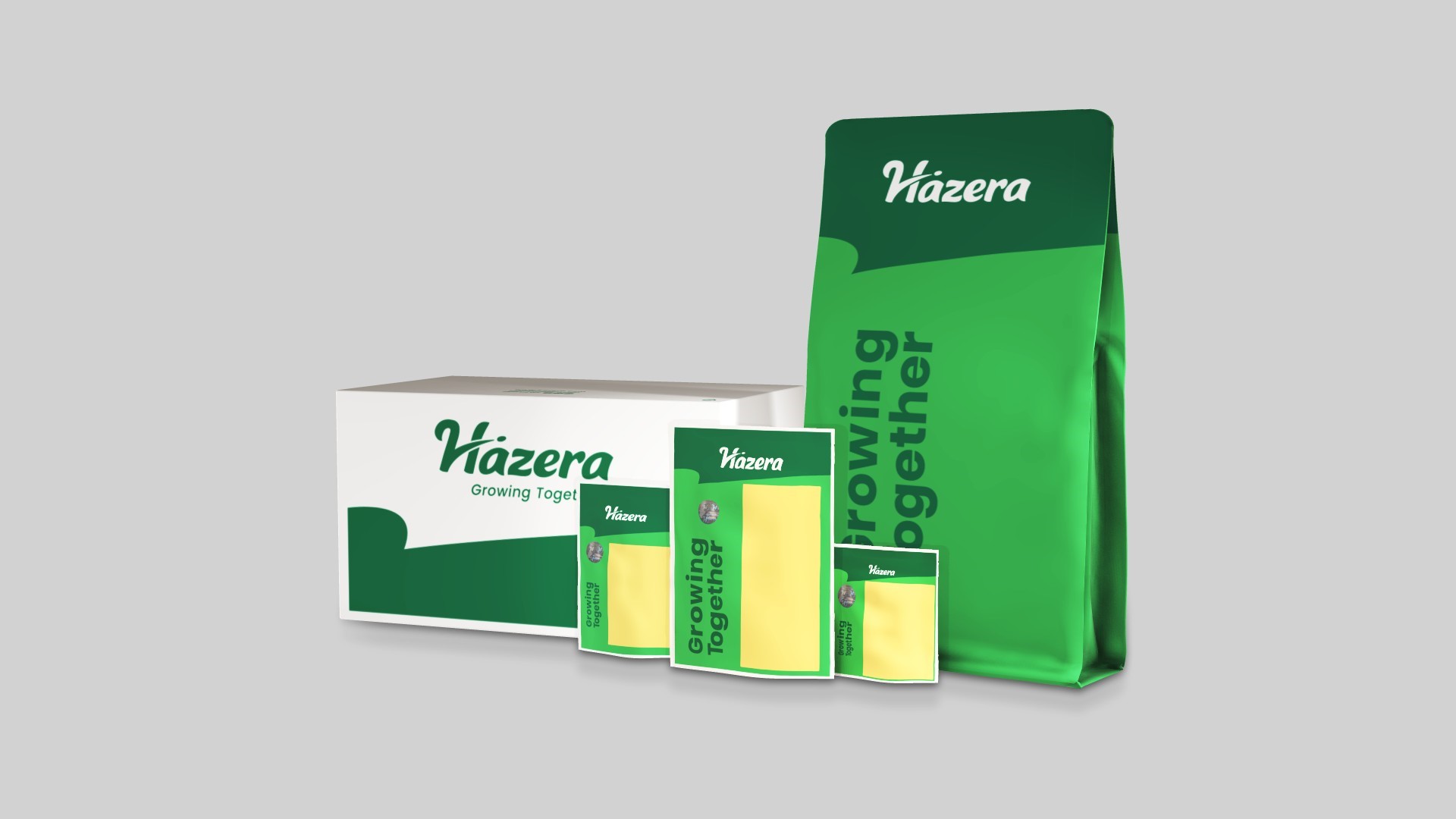
Hazera Introduces new packaging design as part of Its rebranding journey

Same seed quality, fresh new look!


Hazera, a global leader in the vegetable seed business, is excited to introduce a refreshed packaging design, delivering the same high-quality seeds with a modern, sustainable twist.

Over the past year, Hazera has undergone a comprehensive rebranding process, updating its visual identity with a contemporary graphic language that better reflects the brand’s core values. This transformation is now extending to our packaging.

As part of this change, Hazera is taking steps towards greater sustainability by transitioning to more environmentally friendly packaging by eliminating the use of cans.

What’s New?

  • A redesigned logo, updated colors, and a fresh graphic look
  • Improved sustainability—transitioning away from metal cans

What Remains the Same?

  • The same seed quality you trust
  • Our unique security hologram for guaranteed authenticity
  • Familiar package sizes
  • Same packaging materials

This transition will occur gradually. If you still receive the previous design, rest assured that the new packaging will be available in your future orders.

For more information, please contact:
www.hazera.com / or check our social channels

HAZERA: Growing Together
Hazera Seeds is a global company that develops, produces, and commercialize  seed varieties and is a global leader in the seed industry. Hazera has headquarters in both the Netherlands and Israel and operates subsidiaries in 11 countries, together with a distribution network serving over 130 markets.
Hazera is part of the Limagrain Group, an international farmers’ cooperative based in France. Limagrain has grown into the largest seed company in Europe, specializing in vegetables, field crops and cereals. The vegetable seed division at Limagrain is the largest in the industry

More News

Hazera’s Brand Story: Through Maria’s Eyes

Was it destiny that led Maria Adamopoulou to the seed industry and Hazera? It certainly seems so.

Raised around her grandparents’ grocery store in Athens, she grew up watching them source fresh vegetables from the central market at dawn. These early experiences sparked a lifelong connection to fresh produce. After earning her degrees in agronomy, Maria initially considered a PhD but chose a different path after marrying an agronomist who represented Bejo in Greece. Following his sudden passing 12 years ago, she returned to her roots and founded a fresh vegetable distribution company, working closely with growers, traders, and retailers. In 2019, her industry expertise led Hazera Hellas to bring her on board. Today, she holds a dual role in Product Development for Lettuce and Brassicas, as well as Fresh Market Specialist.


How does Hazera’s brand story have an impact on your day to day?
“Hazera’s brand story inspires me every day. With the support of a dedicated team and high-yielding products, I start each morning motivated and confident. Whether I’m in the field or at the office, I’m driven by a shared commitment to our customers and the feeling that we’re growing together.”

Can you share a project when you felt this pillar in action?
“Two years ago, I met the owner of a hydroponic greenhouse, who was new to the agriculture business at that time. After two years of failed tomato production, he didn’t want to hear about hybrids anymore. However, through ongoing visits and discussions with him, we uncovered the real issue: he was growing hybrids based on trader demands, without knowing his greenhouse was contaminated with ToBRFV. The varieties he used had no tolerance, leading to constant crop failures. The following season, he decided to try Lollipop—and everything changed. No diseases, excellent taste, beautiful shape and color, and most importantly, high yield and profits. Moments like these remind me why I’m proud to be part of a team that delivers real solutions. It’s a pleasure and a privilege to work with a company that offers not just products, but confidence and support every step of the way.”

What motivates you most about being part of this Hazera’s journey?
“Over the past six years, building strong relationships with growers and customers has brought me immense personal fulfillment. This motivates me to continuously improve and strengthen our collaboration, grounded in mutual trust and the expertise we provide. It can be challenging when I encounter a dissatisfied growers or customer, but my goal is to apply my knowledge and experience to address these concerns and, over time, turn the situation into a fruitful, lasting relationship.”

What excites you the most about Hazera’s future?
“I feel confident to be a member of Hazera. What excites me most is the prospects that are offered with Hazera’s innovative and dynamic R&D programs: products that will be on the top list of choices for our growers. We offer hybrids in the market with the purpose to combine quality, performance, and solutions to diseases and other problems that constantly arise in the growers’ everyday life.”

Would you like to learn more about our brand story? Contact us!

More News

Marshal: 30 Years and still an undeniable star!

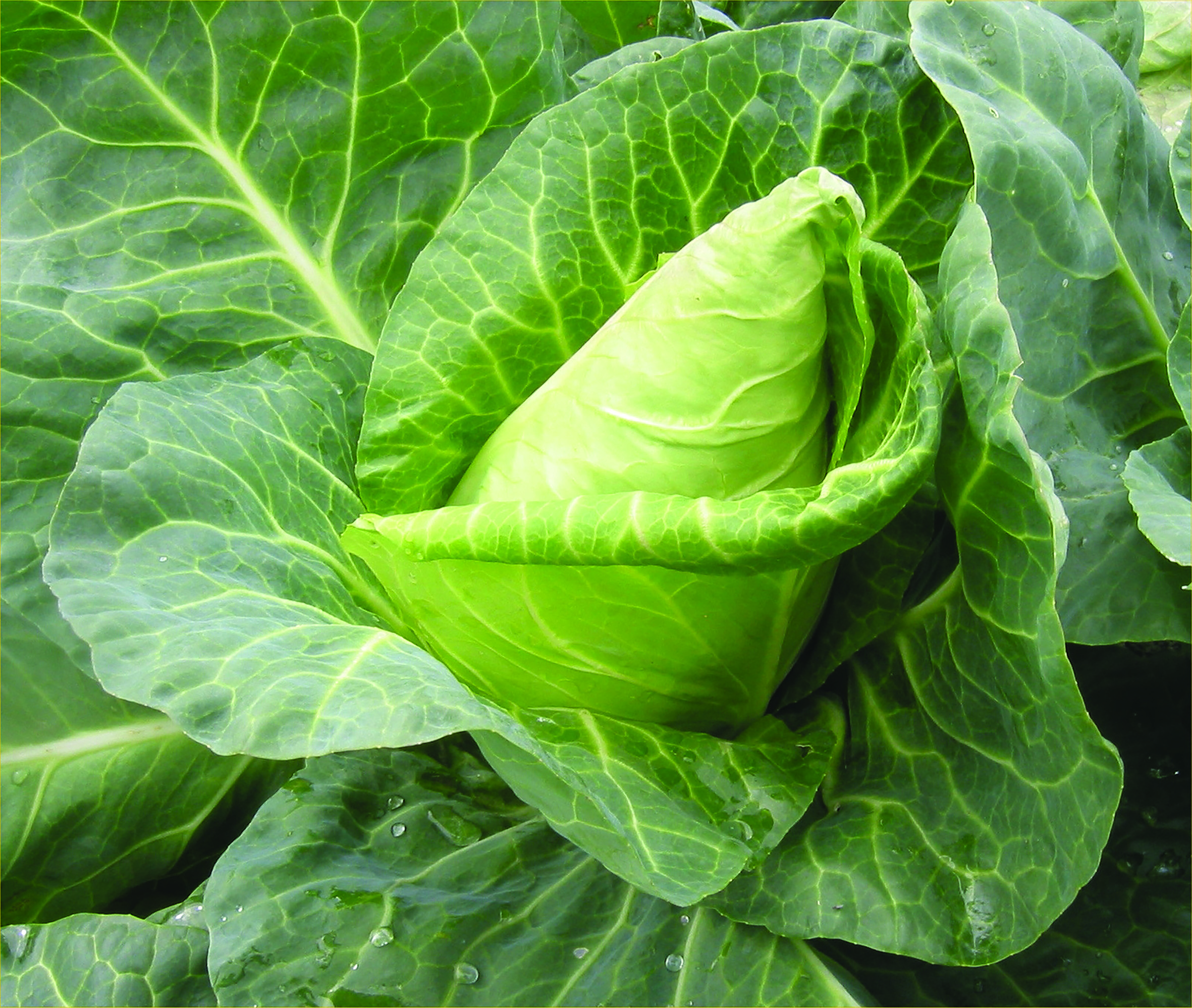
Happy 30th birthday, Marshal! You are the pointed cabbage that has conquered the market with your fresh taste and quality.


At Hazera, everything is driven by our passion for innovation and our commitment to growers. We develop vegetable varieties that nourish communities and contribute to a strong and sustainable food system. The journey of Marshal, our groundbreaking pointed cabbage, is a testament to this dedication.

It all started with Duchy, the first pointed cabbage to make a significant impact in Western Europe. Developed in the 1980s, Duchy won the hearts of growers and consumers with its unique shape and natural sweetness, earning it the popular name “sweetheart cabbage.”

Growers saw the potential to extend Duchy’s availability and began storing it in cold storage, which extended the season by six weeks. This led to the need for a variety with even better storage qualities—one that would maintain its quality over a longer period. That’s when Marshal came into the picture.

Marshal was specifically developed to redefine the standard of storability. Unlike other varieties, Marshal retains its premium quality even after long storage. It has fewer yellow leaves, a firmer texture, and no black pepper spots. This breakthrough led to the creation of a new market segment: pointed cabbage designed for longer storage without compromising freshness or taste.

Our partners in the Netherlands contributed to Marshal’s success by using Controlled Atmosphere storage, where oxygen in the storage room is limited, and flowpacking techniques, which further extend its shelf life. Thanks to these innovations, Marshal became the retailer’s top choice, appreciated for both its consistency and quality.

“Marshal excels after Controlled Atmosphere storage; the lack of deterioration after opening the storage room is exceptional. Unlike other varieties that may show signs of wilting, yellowing, or loss of structure, Marshal maintains its fresh appearance, firm texture, and sweet taste, even after prolonged storage.” – Maarten Danenberg, Product Manager Cabbage and Brussels Sprouts.

Duchy laid the foundation, and Marshal has strengthened Hazera’s position in the pointed cabbage market. With the addition of Earl and Baron—varieties with improved plant health and better field performance—our portfolio continues to grow, offering tailored solutions for various markets.

Would you like to learn more about Marshal? Contact us!

More News

Roaring Success: Onza, a Mini seedless Watermelon with a Big Impact

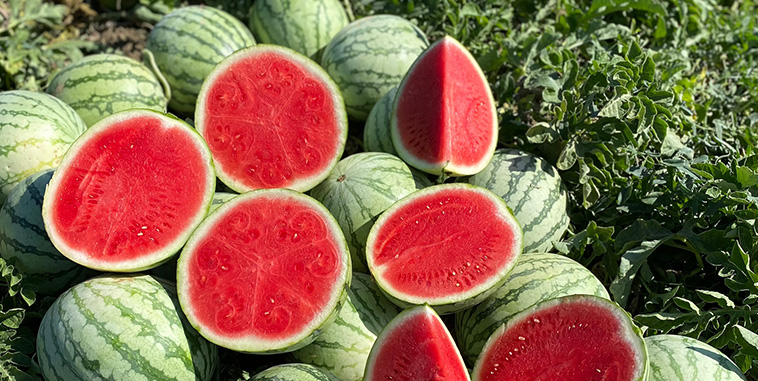
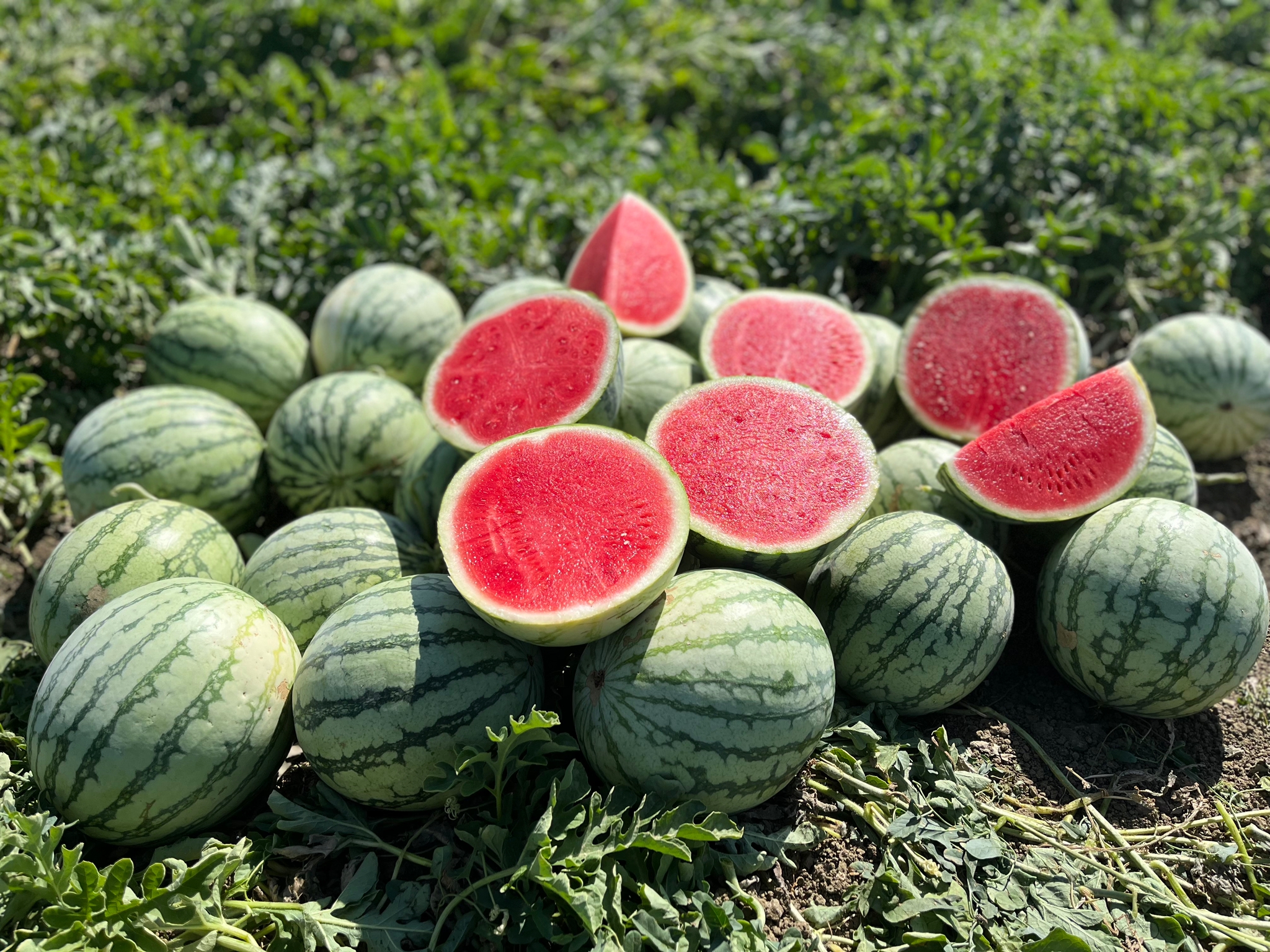
Developing a triploid, seedless watermelon requires precision and expertise—especially when integrating new traits to meet the demands of growers, retailers, and consumers. Hazera’s breeding team has achieved a remarkable breakthrough with Onza, a next-generation tiger type mini seedless watermelon hybrid.


Onza embodies Hazera varieties’ core strengths and essential traits in crop resilience, high yield, and good shelf-life. Its ideal rind-to-flesh ratio ensures durability during shipping without compromising quality, while its deep red interior, long shelf life, and high brix content guarantee a sweet, flavorful experience.

“Onza is proving to be the first of our new generation mini tiger strip watermelons that shows wide adaptability for West Coast growers. It boasts high yields, excellent field holding capacity, impressive storage shelf life, uniformity, and exceptional internal qualities, which have growers and marketers raving. Watching the harvest crews’ line up Onza on the beds and seeing the line machines stop due to high yields stacking up the belts is a very impressive and prideful sight to see.” ~ says Barry Younkin, Western USA Sales Manager.

Thanks to its amazing adaptability, Onza has quickly gained traction in the US and Mexico markets, proving its value in challenging growing conditions. It delivers measurable benefits across the agricultural chain by reducing costs for growers, maximizing profitability for retailers, and ensuring satisfaction for consumers. At Hazera, innovation does not stop at breeding. Our Fresh Chain program fosters sustainable partnerships across the entire supply chain, from seed to shelf. By collaborating with growers, retailers, and other stakeholders, Hazera ensures that groundbreaking varieties like Onza meet market demands while raising industry standards for quality and sustainability.

Hazera’s long-term vision is to continue elevating watermelon quality and transportability while developing robust solutions for plant protection and yield stability. Through continuous product improvement, Hazera remains committed to advancing a healthier, more resilient food system and delivering optimal value across the agricultural chain.

Would you like to learn more about Onza? Contact us!

More News

Meet the people behind the crops: Caroline Wagner

At Hazera, we are proud of our dedicated team, which works passionately to provide our growers with the best products. While our products often steal the headlines, it is the Hazera team who are behind our success. Let’s shine the spotlight on Caroline Wagner, a dedicated tomato breeder in the High-Tech TOV segment.  


Caroline Wagner has been with Hazera for four years as a tomato breeder in the High-Tech TOV segment. Caroline got her inspiration to pursue a career in agriculture from her uncles, as one was a farmer, the other one helped to build the first course of Agricultural Engineering in Brazil. Her academic journey includes attending an agricultural technical high school, earning a Bachelor’s and Master’s degree in Agronomy with a specialization in plant breeding, and completing a Doctorate in Science focusing on quantitative genetics. She moved from Brazil in 2008 and has been working in high-tech agriculture since 2012. 

 What is a common myth about your job or field of expertise? 

Caroline shared two myths. One being a fun fact that “plant breeding is one of the oldest professions. Even the Bible mentions it and says that growers saved the best seeds from the best plants for the next season.” Then she continues with the other myth that “breeders are difficult people because of the advanced level of study involved in our work. Some believe we’re “too smart,” but that’s not the case. We’re regular people like anyone else -some better, some worse, but overall, we’re just human like everyone else.” 

 In your opinion, what is the most important personality strength someone would need to be successful in your job? 

According to Caroline, if you want to succeed in her job “you need to be curious and humble, always open to learning from others. It’s essential to understand, accept, and adapt to imperfections because you will make mistakes. If you cannot overcome those challenges, plant breeding may not be the right field for you. You must also have the resilience to handle frustration and work well as part of a team.” 

 Tell us about a project you’re proud of and why. 

“I’m proud of helping Hazera create a breeding strategy for High-Tech tomatoes and leading the implementation of the TOV breeding program. It has been a unique opportunity to define all the needs in terms of technology, people, and working models. Aligning the breeding plan with market needs and being part of the entire process of seeing new varieties from creation to becoming the best option for customers is incredibly satisfying. I feel grateful to work in a place that shares my values of transparency, honesty, and trust, and where my contributions are genuinely appreciated.” Caroline smiled then added, “it’s energizing to collaborate with colleagues across different departments and countries and to know that my work adds value to the team. I’ll never forget the moment when the first plants we bred were ready to go into the greenhouse in Made.” 

 What does “Hazera – Growing Together” mean to you? 

“To me, ‘Growing Together’ is more than a slogan.” Said Caroline. “It’s a vision for collaboration and collective success. Growth should always be a shared journey, whether it’s with colleagues or customers. It’s about working together, not in isolation.” 

 Tell us something interesting or funny about you most people don’t know. 

“When I was a child still living in southern Brazil, I used to mix up the sounds of “V” and “F” in words, just like Dutch people do. Funny enough, I ended up becoming a Dutch citizen, as if it was meant to be. Another lucky coincidence,” Caroline continued “is that I now live just 5 km from where my grandparents used to live for three years during their temporary relocation from Brazil to the Netherlands back in the 1980s.” 

Do you want to stay connected with our Hazera people?

Follow us on our social media channels to stay connected with our Hazera people! If you have any questions left, don’t hesitate to ask them via our contact page!

More News

Hazera’s Brand Story: Through Jihan’s Eyes

Jihan Mercier is the Head of Marketing and Business Development. Following her MBA, she started working in agriculture in 2012 and had the chance of living in Switzerland, Panama and Singapore. Jihan joined Limagrain first with HMC as their Portfolio Lead for Solanaceae in 2018 in the United States and transitioned to her current role with Hazera in 2021, in the Netherlands.

How does Hazera’s brand story have an impact on your day to day?
“2 years ago, we re-branded Hazera and since then, we have centered our mission around the core ethos of “growing together” by making people, partnerships, and crops flourish. This resonates deeply with me because beyond a statement, it really transcends how we work. Every day, our inclusive environment allows diverse perspectives to create breakthrough solutions. Whether brainstorming with team members from different cultural backgrounds or collaborating with growers in various regions, diversity isn’t just a buzzword; it has truly become the engine for creativity and problem solving.”

Can you share a moment/project when you felt this pillar in action?
“We are a global company with more than a thousand employees spread between our 2 headquarters (Israel and the Netherlands) and our 11 subsidiaries. We have over 1,600 varieties sold in more than 130 markets. In essence, our global diversity is in action in every part of the company. Just look at our marketing team with its 35 team members with 13 nationalities, a gender parity of 51% female / 49% male and varied years of experience between 2 and 40 years. How much more diverse can we be? We leverage this diversity to collaboratively execute successful projects whether launching new varieties with value added traits, organizing events such as our recent participation at Fruit Logistica, our week 39 International Open days or in running global campaigns, like “Tomatoes That Work for You”. Everything we do is imprinted with a local touch and our commitment to understand the markets shows in the excitement customers display about working with us. If I must highlight a moment where I really saw diversity in action, I’m transported to a field in Northern Mexico where we were evaluating our new ToBRFV-IR varieties, and in the greenhouse, you had an American, a French, an Israeli, a Mexican, a South African and a Haitian (me) giving feedback on the varieties and that diversity in perspective is unparalleled.”

What motivates you most about being part of this journey of Hazera?
“What drives me most is knowing that I’m part of a company that values every voice. Hazera’s commitment to inclusivity ensures that we don’t just work side by side—we actively learn from one another. This nurturing environment embraces a spectrum of perspectives, allows us to create high-quality seeds, and leads to better, more innovative solutions. Our “People Behind the Crops” concept is a key testament to this diversity as we proudly showcase the people that contribute to Hazera’s success – in every part of the organization. We aspire to contribute to global food security and sustainable agriculture. In order to support our growers and customers; we need to embrace the diversity of our teams which bring passion, experience and strong commitment to innovation.”

What excites you the most about Hazera’s future?
“Looking ahead, I’m thrilled about Hazera’s future because our focus on diversity and innovation is paving the way for groundbreaking advancements. Anchoring our brand’s story to the deeply rooted values of global diversity took courage and I’m proud we’ve been able share how our story of growth, inclusivity, and collaboration went beyond a simple initiative and became the foundation of our innovative spirit. Diversity is not something we take for granted: the same way we embrace our people, we embrace the diversity of crops that we breed. The rich heritage of our varieties – such as Marshal, which celebrated 30 years as a game-changing pointed cabbage continues to embolden us to push the boundaries and to use our collective, diverse strength to transform agriculture and empower communities worldwide for generations to come. And that, excites and motivates me.”

Would you like to learn more about our brand story? Contact us!

More News

Hazera’s Brand Story: Through Clara’s Eyes

Clara Segura, has been a Tomato Breeding Lead and breeder at Hazera since 2011. Her role involves developing new beef and intermediate tomato varieties that are resilient, high-yielding, and adapted to various growing conditions.


How does Hazera’s brand story have an impact on your day to day?
“As a biologist, Hazera’s brand story profoundly influences my daily work. It reminds me to look to nature for inspiration and solutions, fostering a deep respect for the natural world. This perspective drives me to develop sustainable varieties that benefit both our growers and the environment.”

Can you share a project when you felt this pillar: Inspired by Nature in action?
“One memorable project was our collaboration with local growers to develop a new variety adapted to early Spring planting, following exactly the most important requirements they expressed: big fruit size, good cold adaptability and earliness. Seeing the growers’ enthusiasm and the thriving crops was a powerful reminder of how our work being inspired by nature can create tangible benefits for growers.”

What motivates you most about being part of Hazera’s journey?
“What motivates me the most is the opportunity to make a positive impact on global food security. Knowing that our innovative solutions help growers around the world grow healthier, more resilient crops is incredibly fulfilling and drives me to continue pushing the boundaries of agricultural science.”

What excites you the most about Hazera’s future?
“I am most excited about the potential for new technological advancements and sustainable practices that we can integrate into our work. The future holds endless possibilities for enhancing crop resilience and productivity, all while maintaining our commitment to the environment. At Hazera, we are poised to lead the way in creating a sustainable and prosperous future for agriculture.”

Would you like to learn more about our brand story? Contact us!

More News

Meet the people behind the crops: Michał Taraska

Michał Taraska, Hazera’s Global Value Chain Lead, was practically born into the world of agriculture—his family’s farming roots go back generations. With a master’s in agribusiness and a life-long fascination with how a tiny seed can turn into something amazing, he’s spent 15 years in the seed and vegetable industry. Almost nine of those were with Limagrain, and for the last five, he’s been shaping the Fresh Chain first in Poland and now in his global role.


What is a common myth about your job or field of expertise?
“People think that I’m always in meetings with retailer stores and their managers, but in reality, what takes up a lot of my time is preparation. Putting a product on the shelves takes a lot of effort. There are plenty of great vegetables on the market, and getting retailers to choose yours requires the cooperation of multiple departments and stakeholders for instance coordinating with breeders, analyzing market needs, and working with traders and retailers. Another myth is that in Fresh Chain, vegetables need branding too. Everyone takes the importance of branding for products like clothing or electronics for granted, but branding is also crucial for selling vegetables. You cannot just rely on the fact that they’re tasty and healthy—you need to make customers want them.”

In your opinion, what is the most important personality trait someone should have to work in your industry?
“I think it’s perseverance, and what I call the ‘gardening approach’ to business” Michał explains. “A gardener never expects his work to be finished—he knows it’s a continuous cycle. Just like we do. We plant seeds, nurture them, care for the garden every day, and harvest. Then, we start all over again. To thrive in this business, you need passion, a forward-thinking mindset, and a deep understanding of consumption and health trends. You need to bring quality and build trust, because people rely on both you and the product you deliver.” Then Michał adds “being open, positive, and eager to foster relationships with your business partners are also essential traits.”

Tell us about a project you’re proud of and why?
“The project I’m most proud of is participating in the Fruit Logistica Innovation Award 2024 with our mini seedless watermelon, Exceed. When we began preparing for this event, we had a very tight timeline. But thanks to our dedicated team, an exceptional product, and a strong partnership with Staay Food Group, we achieved incredible success. This year, we were proud to return to Fruit Logistica, where we had a lot of meetings with major players interested in our tomato varieties.”

What does “Hazera- Growing Together” mean to you?
“For me, the core principle is building strong cooperation with our stakeholders and partners. Our goal is to support their success and grow alongside them. We strive to showcase the best of our products and pipeline, ensuring that together, we achieve sustainable growth and success.”

Tell us something interesting about yourself that most people don’t know.
“People who work with me quickly notice that I’m dyslexic, which means I sometimes make mistakes when speaking or writing emails. It’s more challenging for me than for the average person, but I also see dyslexia as an advantage as it enhances my creativity and intuition. I rely on my instincts to understand market trends and solve problems quickly by recognizing the most effective solutions.”

Do you want to stay connected with our Hazera people?

Follow us on our social media channels to stay connected with our Hazera people! If you have any questions left, don’t hesitate to ask them via our contact page!

More News

Bringing fresh, healthy and sustainable vegetables to our partners worldwide

Hazera & HM.CLAUSE together at Fruit Logistica 2025 in Berlin, 5th to 7th February

Hazera and HM.CLAUSE, part of the Limagrain Group, will be present at Fruit Logistica from 5th to 7th February in Berlin. Michał Taraska and Manuel Ferrer, each leading the fresh chain approach for Hazera and HM.CLAUSE, will discuss their collaboration at their shared booth (A-50 in hall 1.2), highlighting innovative products and how collaboration strengthens the value chain.


Innovative solutions for the fresh chain

Over three days, visitors will discover solutions derived from our well-matched product portfolios. Michał explains: “both companies will contribute their unique expertise and diverse offerings through our collaboration. This is further strengthened by our shared ambition: bringing fresh, healthy and sustainable vegetables to our partners worldwide.

As joint forces, HM.CLAUSE and Hazera will present a wide selection of products at Fruit Logistica, with a special focus on tomato and watermelon varieties. “The range of our combined assortment is one of our key strengths,” Manuel emphasizes.

Portfolio HM.Clause

“Our Oxheart tomato range, including Dossimo and Flamansun, offers a vibrant color spectrum from red flame and brown to yellow,” Manuel explains. “Intuitivo and Curioso are two cherry tomato varieties that boast ToBRFV resistance. The Freeman variety represents our mid-sized tomatoes, known for their delicious taste and suitability for six-pack packaging.”

Manuel also highlights HM.CLAUSE’s melon range: “With varieties like Piel de Sapo, Galia, and the Cormoran in cantaloupes, our portfolio at Fruit Logistica showcases excellent taste, shelf life, and fruit quality.”

Portfolio Hazera

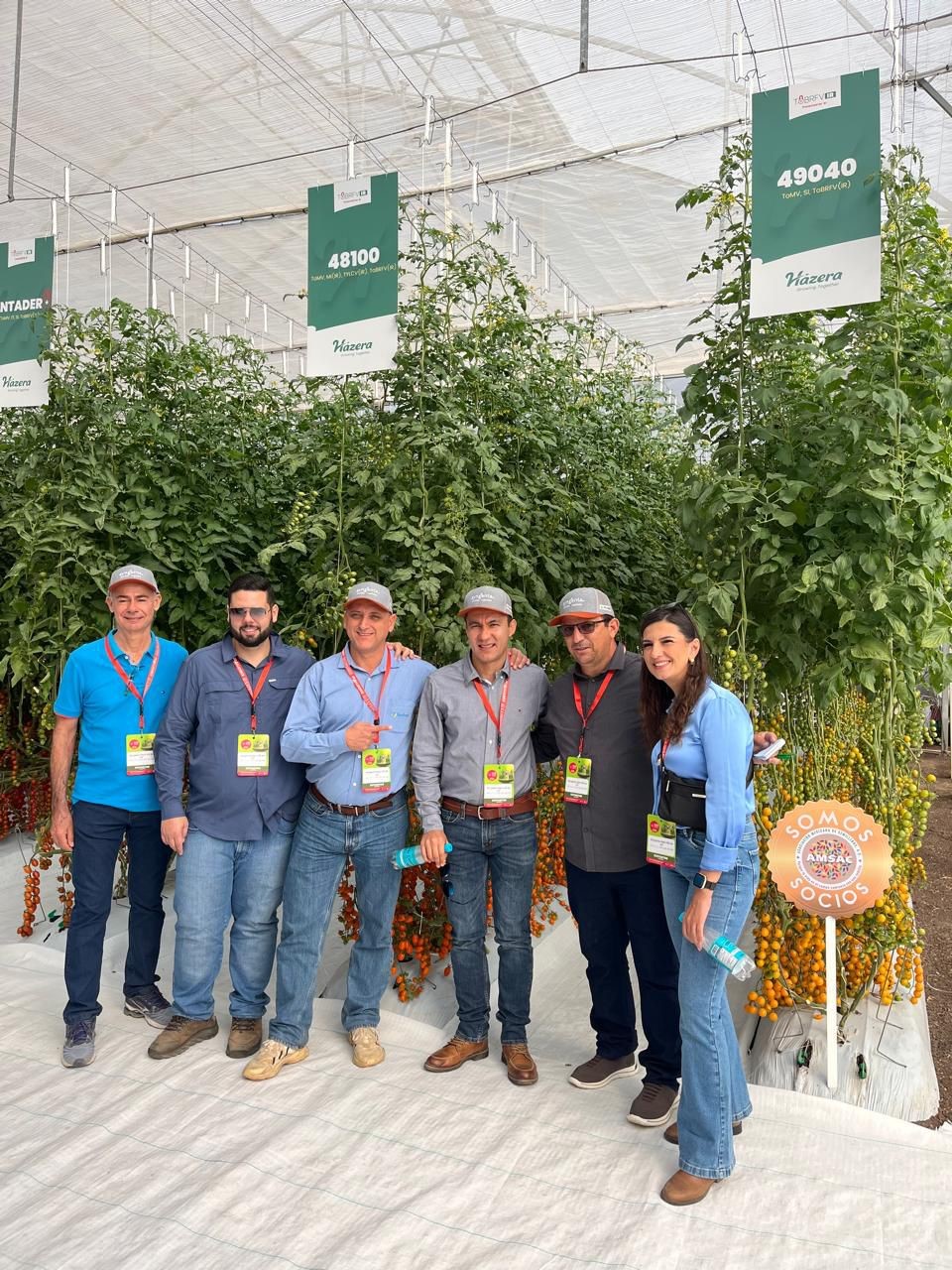
For Michał and Hazera, the focus is on healthy snack tomato varieties, especially the mini plum tomato Windsor. “This variety excels in virus resistance, high yield, 21-day shelf life and a more sustainable production process,” Michael explains. “With the upcoming yellow cherry tomato HA 49040, the first yellow cherry with ToBRFV (IR) resistance, we upgrade on the Summersun, a proven market leader in taste. Our third healthy snack tomato is the Tentadero, an umami-rich cherry tomato with a distinctive green-to-brown colour.”

In watermelons, Hazera continues to drive innovation with varieties like Exotica, Lynx, the Exceed-range, or novelties Mufasa – tiger type. “These hand-sized seedless watermelons are available year-round, and are known for their exceptional flavour and long shelf life,” Michał adds.

A strong and full shelf partnership

The collaboration between HM.CLAUSE and Hazera is built on years of experience. “Both sides bring deep knowledge and expertise,” says Manuel. Having led the development of key projects like Adora for HM.CLAUSE and Rosamunda for Hazera tomatoes, Manuel and Michal ensure that clients receive more comprehensive solutions, personal attention, and better results.

We are looking forward to seeing you at Fruit Logistica.

Meet us at our booth: A-50 in hall 1.2

HAZERA: Growing Together
Hazera Seeds is a global company that develops, produces, and commercialize seed varieties and is a global leader in the seed industry. Hazera has headquarters in both the Netherlands and Israel and operates subsidiaries in 11 countries, together with a distribution network serving over 130 markets. Hazera is part of the Limagrain Group, an international farmers’ cooperative based in France. Limagrain has grown into the largest seed company in Europe, specializing in vegetables, field crops and cereals. The vegetable seed division at Limagrain is the largest in the industry.

More News

Meet the people behind the crops: Malgorzata Zadura

At Hazera, we are proud of our dedicated team, which works passionately to provide our growers with the best products. While we tend to put our products in the headlines, it is the Hazera team who are behind our success. Let’s spotlight Malgorzata Zadura, Product Development Manager from Warsaw, Poland.


Malgorzata Zadura, a Product Development Manager, from Poland, studied horticulture and her whole working life has been connected to the seed business. Right after finishing her studies, she started working for different seed businesses in Poland, and 20 years ago, she joined the Hazera team.

What is a common myth about your job or field of expertise?
Malgorzata said, “when I explain to people that part of my job is to evaluate the new varieties and introduce them to a Polish market, they are surprised because they don’t know that there are so many different varieties on the market. I can understand that for consumers it is not very obvious, and they think that the variety they buy in the stores is the same as the ones from twenty years ago.”

In your opinion, what is the most important personality trait someone would need to be successful in your job?
“In my opinion, the most important thing is that you need to do what you like and what you are passionate about. Just like me.” Smiles Malgorzata. “Even though I do not come from a horticultural family, I knew I wanted to work in horticulture, so I studied it and have worked in this field my whole life. But as a personal trait, I would say it is essential to be able to adapt to different situations as this position requires a lot of travelling.”

Tell us about a project you are proud of and why.
“I am proud of our “Delikatesy Hazera” product line we created for the varieties with exquisite taste because we noticed that people want to have tasty varieties and vegetables. We know from our clients who sell in the small markets that our tasty varieties are more popular. So, we started this “Delikatesy Hazera” product line with our pink tomatoes which were the first ones in the Polish market. The project is becoming so popular that our tasty varieties, even if they’re not so firm, are introduced to the supermarkets as well. This success is also a result of the high involvement and effort of the marketing team.”

What does “Hazera- Growing Together” mean to you?
“For me, it means a lot as I have been working in Hazera for almost twenty years, and I have witnessed a lot of growth in the company. For example, when I started, there were only six people in the Polish team and now it is around twenty people. I can say that I also grew.” Malgorzata reminisced about the time she started at Hazera. “I started as a salesperson and moved to product development. In the beginning, I was only responsible for Hazera products and later I started to work with crops that I was not familiar with at all. Of course, I had to learn all about them, so I grew my knowledge and skillset too. Also, during my twenty years, I have been collaborating with growers, and I see them grow as well. Some growers that I knew from the beginning are still growing our varieties and have much more hectares than they had some years ago.

Tell us something about yourself most people do not know.
Malgorzata started with a laugh. “People do not know what my real name is, because when I introduce myself to someone for the first time, I use my official name, but usually I sign my emails using one of my nicknames, like Gośka, Gosia. So, many people think that another person is writing the email for me. I always have to explain that my name is Malgorzata, but I have nine different nicknames. Also, sometimes, when it is difficult for people to pronounce my name, they can call me in the English version of my name, which is Margaret. I find it funny.”

Click here to learn more about the Delikatesy Hazera product line in Poland.

Do you want to stay connected with our Hazera people?

Follow us on our social media channels to stay connected with our Hazera people! If you have any questions left, don’t hesitate to ask them via our contact page!

More News

Layers of Success: The Centro Onion Journey

The story of Centro, a high-performing onion variety now sold throughout Europe, is one of innovation and strategic focus. Over the years, Centro has become a key symbol of Hazera’s dedication to producing top-quality onions and driving success in the global market.


Thirty years ago, Hazera’s market share in onions was low. In 1993, a dedicated project team was formed, bringing together experts from R&D, Marketing, and Commercial divisions, along with an external onion specialist. The goal: to uncover the reasons behind the low market share and implement impactful changes to significantly improve it. 

Through extensive discussions with key growers and packers, the team identified the core issues—low yield and poor skin quality—which led to low pack-out rates and considerable losses for customers. This realization helped the team set new priorities, focusing on four key traits: yield, skin quality, dormancy, and firmness. 

Recognizing that “what gets measured, gets improved,” the team invested in a machine to accurately measure firmness. This new approach provided clear focus and helped define the right priorities. Over the next decade, Hazera’s onion team consistently used this tool during their evaluations, allowing them to identify clear differences in traits like yield and firmness between Hazera’s genetics and those of competitors. 

Together with a group of colleagues, the team selected breeding number 37-58 F1 for development. It was thoroughly tested with leading growers in key onion-producing regions, and a detailed plan was created to guide the project in the years to come. Numerous trials confirmed the variety’s exceptional performance. The variety was named “Centro” due to its high rate of single centers and was first launched in key markets, the Netherlands and Germany. Within 6-7 years, Centro gained popularity and was adopted in many other countries. 

Hazera’s long-term commitment and investments have led to a substantial increase in its market share for onions. Hazera continues to focus on breeding and the development of high-yielding varieties with unique traits. 

Would you like to learn more about Centro? Contact us!

More News

Meet the people behind the crops: Milan Zivkovic

At Hazera, our dedicated team works passionately to provide our growers with the best products. While our products often take center stage, it is the Hazera team that truly drives our success. Today, we shine the spotlight on Milan Zivkovic from Leskovac, Serbia.


Milan Zivkovic, Product Development Manager, lives in Serbia with his wife and two children. He graduated as an agronomist in 2009 and has been working in the vegetable seed industry since then, taking on roles in sales, product development, and area management. Milan has been a valued member of the Hazera team for almost three years.

What is a common myth about your field of expertise?
“I think, especially in the Balkans, Southeast Europe, a common myth is that working in agriculture is very hard, involving heavy physical work or tough conditions. That’s why youngsters don’t choose agriculture as a profession, but they should as it’s a rewarding work. As an agronomist, you can travel, learn extensively, and meet many people.”

In your opinion, what is the most important personality trait someone should have to work in your industry?
According to Milan, patience is crucial in his job. “You need to wait for results, particularly in product development, where it takes at least six months from sowing to harvesting and after that, it takes around three months to see the hybrids. So, first, it’s necessary to see how the varieties perform and only then make decisions based on the results. Precision, especially with timings, is also essential, because in agriculture if you miss something, you will need to wait another season.”

Tell us about a project you are proud of and why.
“Right when I started my journey at Hazera, I was ‘thrown into deep water’.” Laughs Milan. “By this, I mean that at that time we were organizing the open field days in Serbia. We had distributors from various countries in our region. For me, it was a fantastic start. It was a great opportunity to learn about our varieties, the market, and our customers. I’m proud of it, because I could contribute to the success of that event, even though I just started.”

What does Hazera growing together mean to you?
Milan says that “for me, growing together means two different things. One is professional growth as you can learn a lot from other colleagues and from the customers too. The other part is the growth of the company. Hazera is constantly investing in new ways and crops to stay on top of the market, and I think it’s a very good opportunity for our growers to grow together with us. Also, we’re solving a lot of problems for growers. For example, with ToBRFV, we started to introduce new varieties helping growers advance with us.”

Tell us something about yourself that most people do not know.
“I think that most people don’t know that I’m not just an agronomist, but also a farmer and vegetable grower. When we have visitors in our regions, they see that I’m also growing vegetables, and they are surprised to see my results.” Smiles Milan proudly. “One time, my six-year-old son helped me measure the sugar level of the watermelons I harvested, and he really liked the sweet taste of it. He said I have a cool job.”

Do you want to stay connected with our Hazera people?

Follow us our social media channels to stay connected with our Hazera people! If you have any questions left, don’t hesitate to ask them via our contact page!

More News

Meet the people behind the crops: Jan-Lukas Pawlik

At Hazera, we are proud of our dedicated team, which works passionately to provide our growers with the best products. While our products often grab the headlines, it is the Hazera team who are behind our success. Let’s shine the spotlight on Jan-Lukas Pawlik (32) an R&D Trial Officer from Germany, who plays a vital role in our organization.


Jan-Lukas Pawlik has been working at Hazera as R&D Trial Officer since 2021 and is responsible for onion breeding trials in Germany in strong relation with the onion breeding team in Rilland. He lives with his wife and daughter in Weinheim. As the son of a biology teacher and a landscape architect, he has always been interested in the world of plants. After studying horticulture, he worked for an agricultural production company before joining Hazera.

In your opinion, what is the most important personality trait someone would need to have to work in your industry?

Flexibility and communication. As a trial area without a trial station, every activity is dependent on the partner growers and external companies. The weather and the availability of people and machinery must be coordinated. Whether to sow or harvest is decided anew every day.

 Tell us about a project you’re proud of and why

Our harvesting machine, which was over 50 years old, was about to break down and could not guarantee that the trial plots would not be mixed. I was responsible for selecting a new harvester and, together with the production company, the necessary improvements and adjustments were made for the trial harvest. Today we have a reliable, flexible and modern harvesting machine for the coming years.

What does “Hazera- Growing Together” mean to you?

Responsibility – for employees, customers and varieties. To grow together as a company with our customers and our environment.

Tell us something about yourself that most people do not know

I’m not the biggest fan of the Christmas season, but I actually like the song ‘All I want for Christmas is you’ by Mariah Carey. So when this song is played up and down in the malls, I’m always happy.


Do you want to stay connected with our Hazera people?

Follow us our social media channels to stay connected with our Hazera people! If you have any questions left, don’t hesitate to ask them via our contact page!

More News

Harvesting Success: Southern Block Farming and Hazera South Africa Growing Together

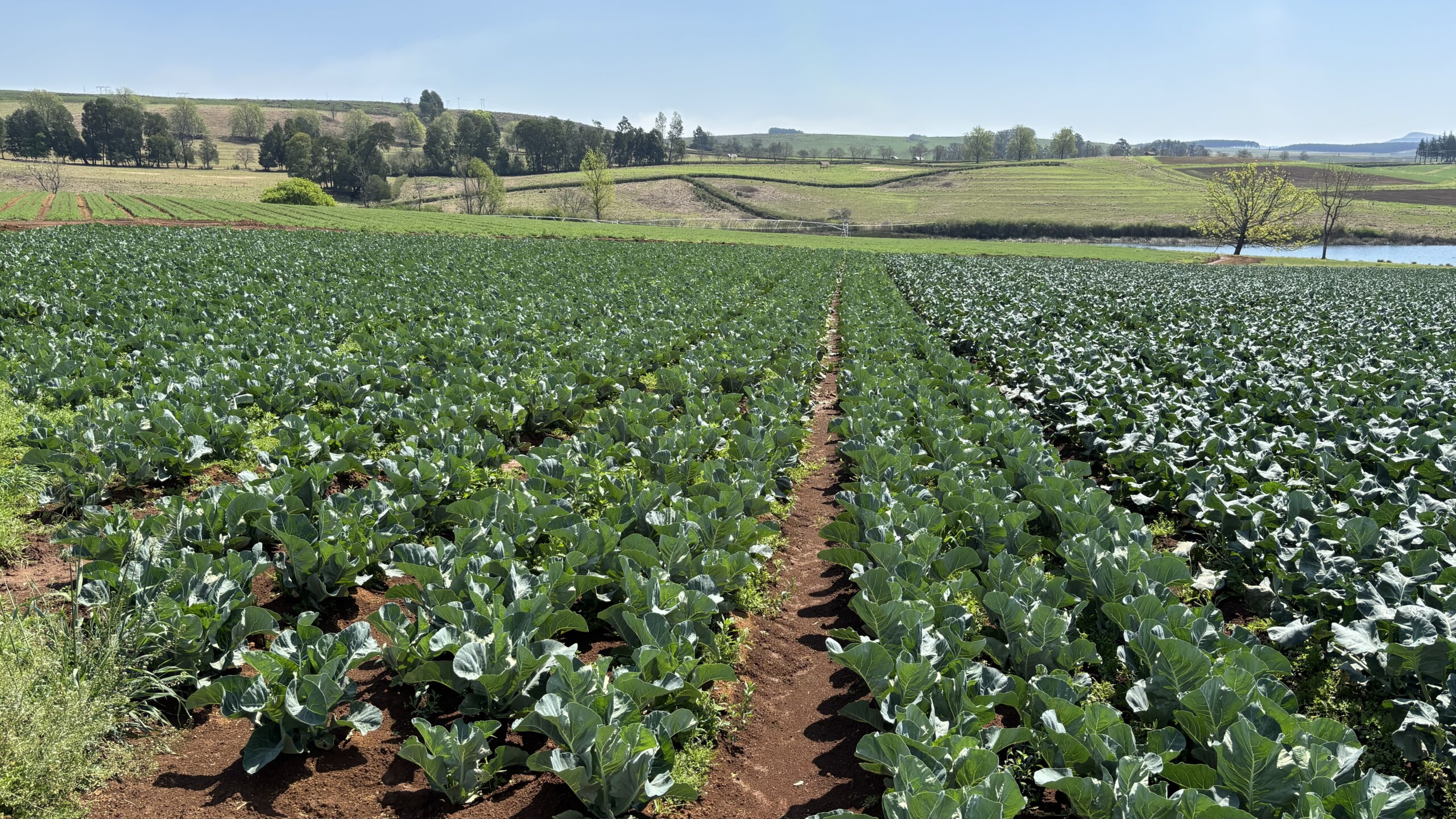
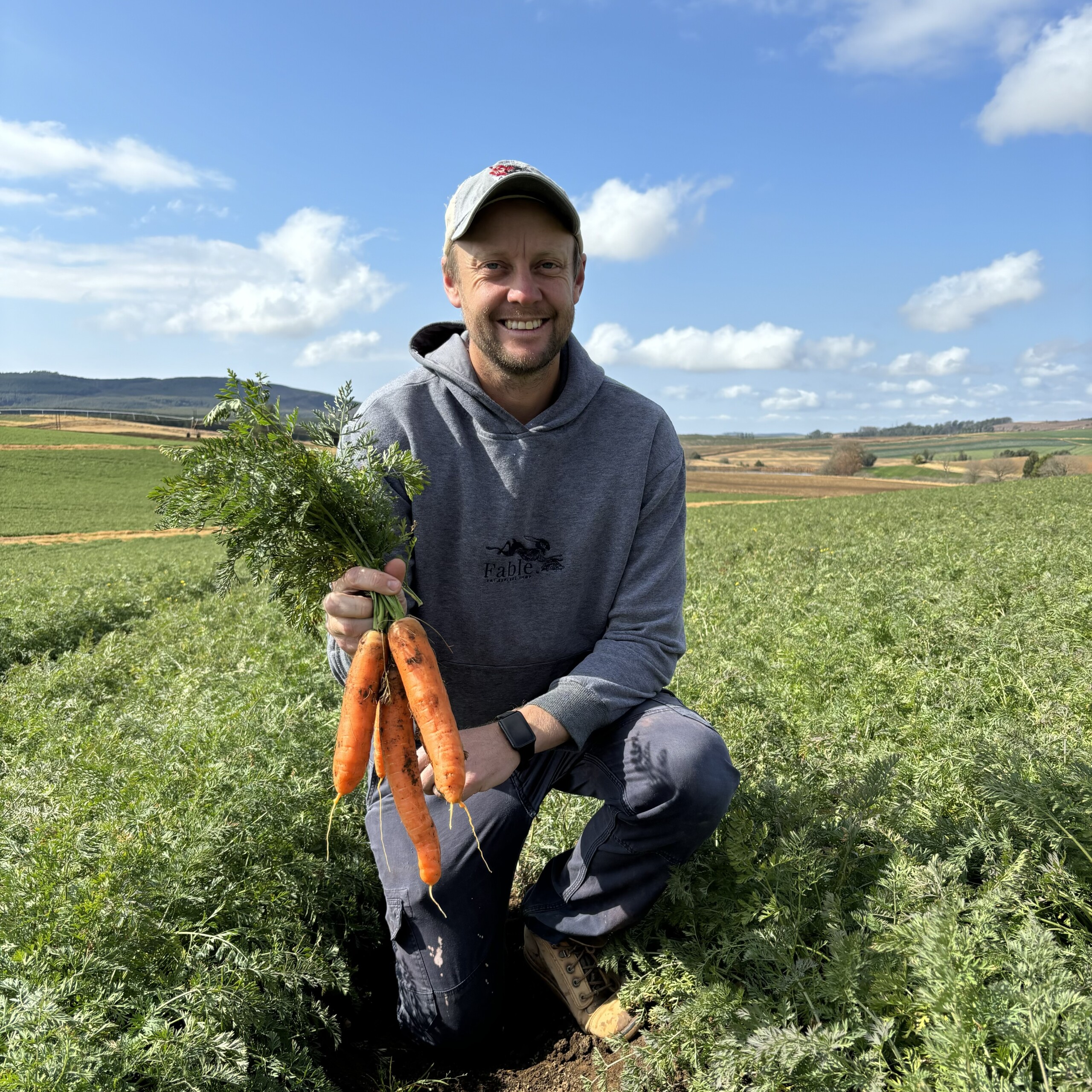
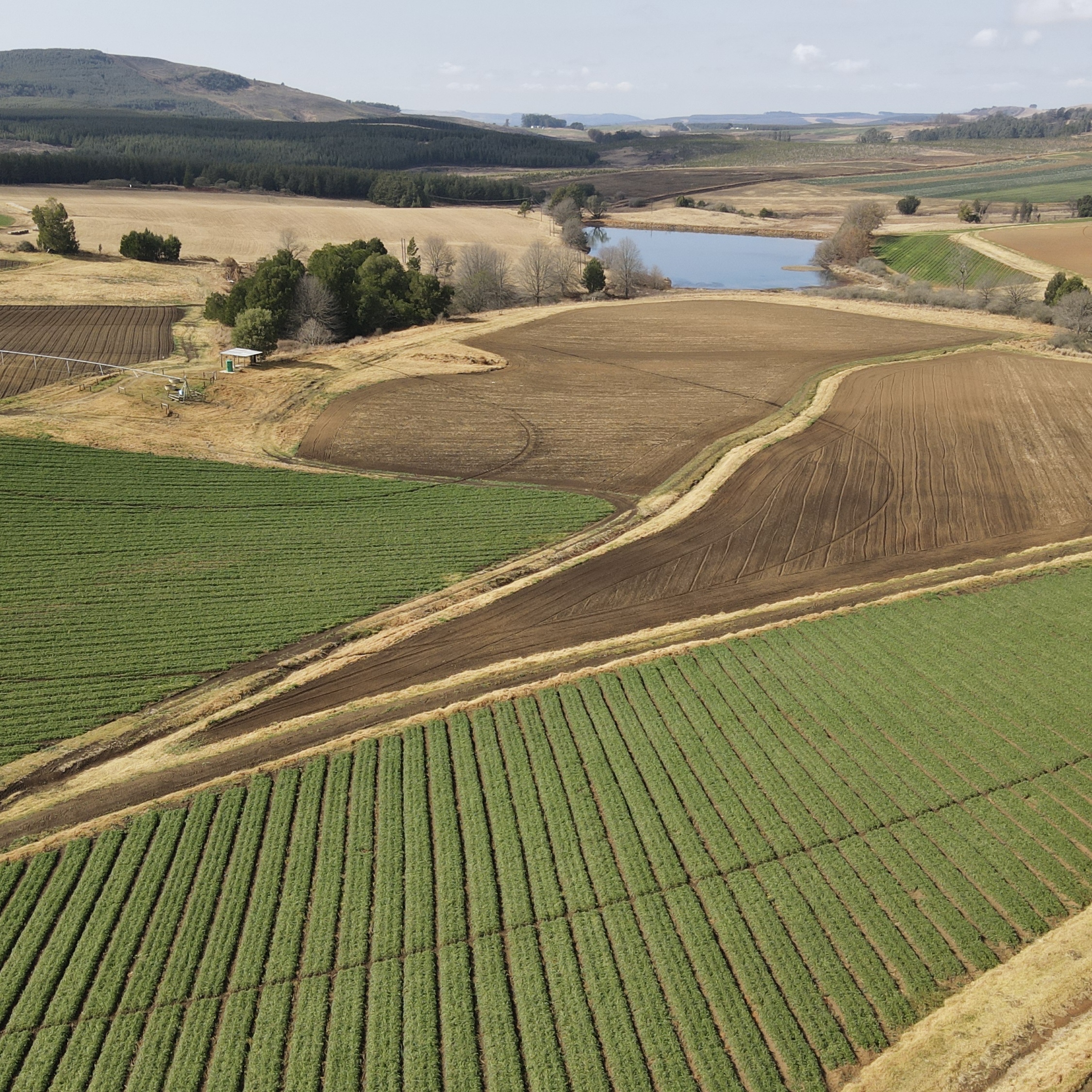
Established in 2019, Southern Block Farming is nestled in the hot and humid sub-tropical climate of KwaZulu-Natal, South Africa on Blair Moore farm. Since its inception, the farm has been committed to cultivating high-quality produce while navigating the unique challenges presented by its environment. Central to this success story has been the strong partnership between Southern Block Farming and Hazera South Africa. Hazera, inspired by nature, brought their expertise to Southern Block Farming from the very start.


The collaboration began with James Kelly, Blair Moore farm’s founder, adopting Hazera’s Ferrara variety for cauliflower and broccoli. Despite the difficulties of growing brassicas during the summer season, the high cut percentage and excellent quality of Ferrara provided James with the perfect foundation for success. With Hazera’s guidance, even the challenging KwaZulu-Natal conditions became manageable.

By supplying varieties that promote healthy lifestyles and ensuring sustainable agricultural practices, Hazera supports not just farms but the communities they feed. This commitment extends globally, but Hazera’s local team—part of a diverse network spanning over 130 countries—demonstrates a deep understanding of regional challenges, delivering tailored solutions to meet Southern Block Farming’s specific needs.

As Southern Block Farming grew, so did their crop diversity. Hazera worked closely with James to phase rotations into his programme, conducting trials on carrots and other crops. These trials exemplified Hazera’s extensive research and their drive to improve yield, quality, and disease resistance. The technical advice provided by Hazera allowed James to identify the best carrot varieties for year-round supply, bolstering his farm’s reputation with buyers.

Events such as Hazera’s Carrot Day further strengthened this collaboration, introducing James to new industry knowledge and the opportunity to expanding his professional network.

Reflecting on the partnership, James stated that he appreciates the strong relationship built on mutual trust and respect. “Hazera’s team has always been by our side, offering advice and support whenever needed. Their commitment to growing together aligns perfectly with our mission,” James says. This trust epitomises Hazera’s promise, ensuring that farmers like James can fully unlock the potential of their seeds.

Drawing inspiration from our growers’ community spirit, nature, and the drive to succeed together, Hazera continues its efforts to support its loyal customers from seed to harvest.


More News

How ToBRFV varieties changed the Mexican tomato market

ToBRFV is a constant threat to growers worldwide as it significantly reduces yields, affects the quality of the fruit, and systematically infects other plants. It is a very transmittable virus that can infect through soil, tools, water, and people’s contact. Hazera has been tackling this threat with its ToBRFV IR varieties- the optimal balance between protection and performance – which provide growers with an effective tool to face the highly infectious virus.

Guillermo Briseno, General Manager in Mexico tells us how the ToBRFV varieties changed the tomato market in Mexico.


Market overview prior to ToBRFV resistant varieties
“The Mexican tomato market before ToBRFV, was a regular market with its challenges on yield, quality, regular diseases for which we had the majority of the resistances and so on.”

How did the new virus impact the market?
“After ToBRFV, the course of tomato producing practices has changed dramatically in Mexico and in the whole world. At the beginning, it was an unknown enemy that was confused many times with TSWV or similar symptoms diseases. ToBRFV is a game changer in the industry. It requires plants to have a strong resistance as that is the main factor for growers to be able to produce tomatoes.”

How ToBRFV varieties changed the Mexican tomato market

What are the tomato growers looking for today?
“When the first ToBRFV-resistant varieties were launched by the different companies, there was always a strong doubt from the growers, about whether the resistance was strong enough or not, or how the behavior of the plants would be related to all the rest of the traits such as quality, quantity, vigor, size, fruit coloring etc. As of now, growers are looking for the optimal balance of protection plus performance of the ToBRFV-resistant varieties; So, it is important to supply growers with varieties that can provide on one side resistance and on the other side a good performance that can provide the growers a profitable business.”

Recognition of Hazera’s Efforts
“Hazera has a good position on the ToBRFV tomatoes in particular the indeterminate roma and grape tomatoes slots. We have now two indeterminate tomato varieties Canelo and Pendragon that show good performance and add value to the growers. In addition, we are now adding long shelf life to grape tomato varieties that require a high demand of labor to support growers as well with lower labor needs, resistance, and performance. At Hazera, we will continue working on this desired balance that can assure growers to continue profitable seasons and bring more and more varieties in the different slots that can provide performance and resistance.”

Would you like to learn more about the market in Mexico or have other questions? Contact us!

More News

Hazera Mexico at Expo Agroalimentaria Irapuato

From November 12 to 15, Hazera once again made its mark at Expo Agroalimentaria Irapuato 2024, one of the most prominent agricultural events in Mexico and Latin America.


This annual gathering brings together producers, companies, and innovators in the agri-food sector, serving as a key platform for exchanging knowledge and showcasing the latest innovations in agriculture.

This year, Hazera stood out with a dynamic booth and a highly skilled team dedicated to providing quality solutions for the challenges faced by growers. During the event, the team interacted with growers, distributors, and technicians, sharing experiences, personalized advice, and in-depth knowledge about the varieties best suited to specific growing conditions. It was also a privilege to welcome Hazera’s new CEO, Ofer Peleg, at the expo.

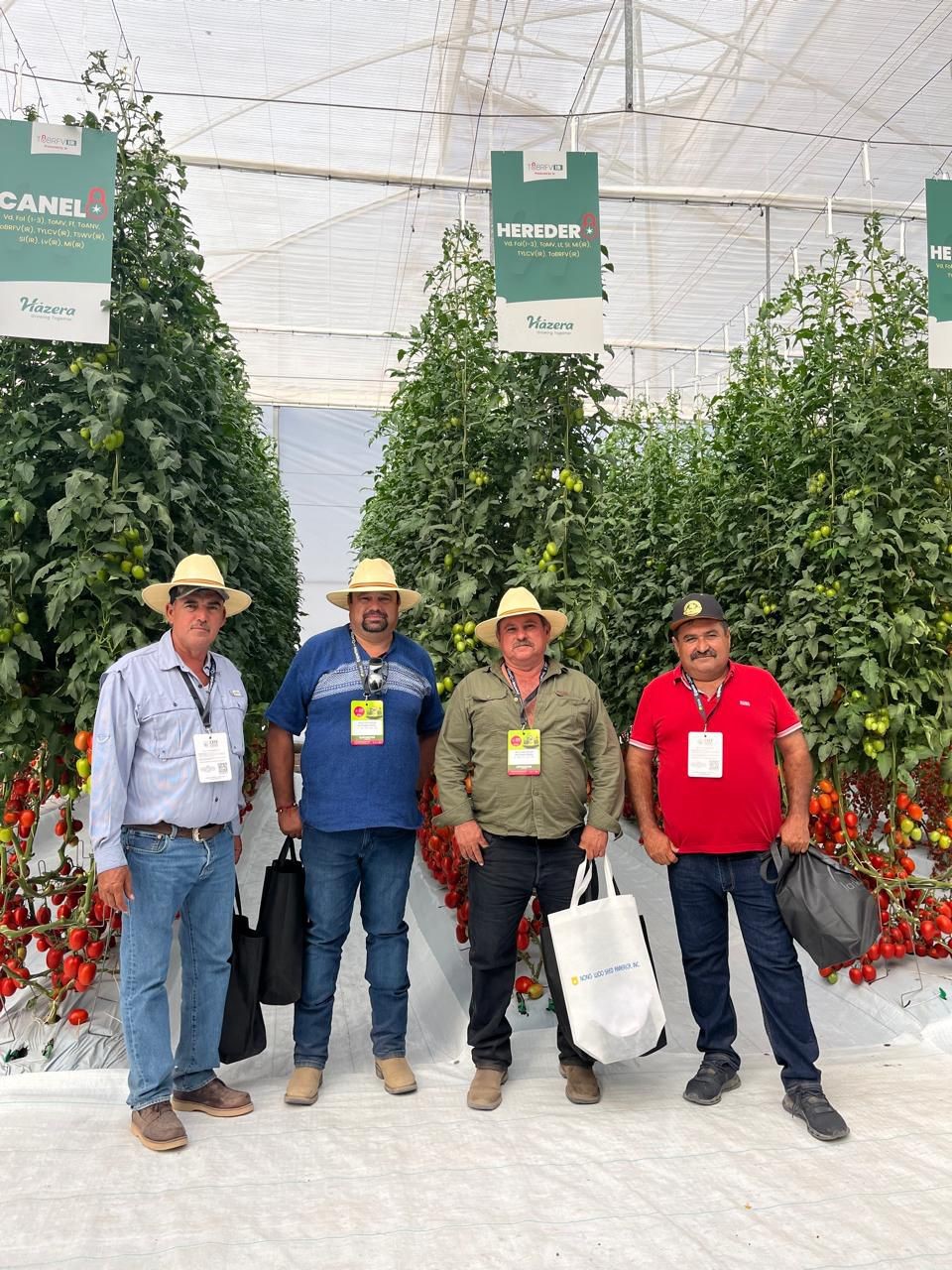
Hazera’s portfolio for this year included an impressive selection of varieties that have demonstrated outstanding performance in different agricultural regions. Some of the most notable were Canelo, Mago, Pendragon, Windsor, Fénix and Galoper.

Furthermore, Hazera introduced two new additions in its portfolio this year: Heredero and Indomable, which sparked significant interest among attendees. These varieties were developed to provide innovative solutions to meet current agricultural market needs, standing out for their resistance, productivity, and high quality.


The Hazera Mexico team extends its gratitude to all the visitors, partners who made this experience a resounding success. Their participation serves as a reminder of the positive impact that can be achieved by uniting efforts for the benefit of the agricultural sector.

See you at next year’s Expo Agroalimentaria!

More News

Hazera opens new high-tech R&D tomato greenhouse

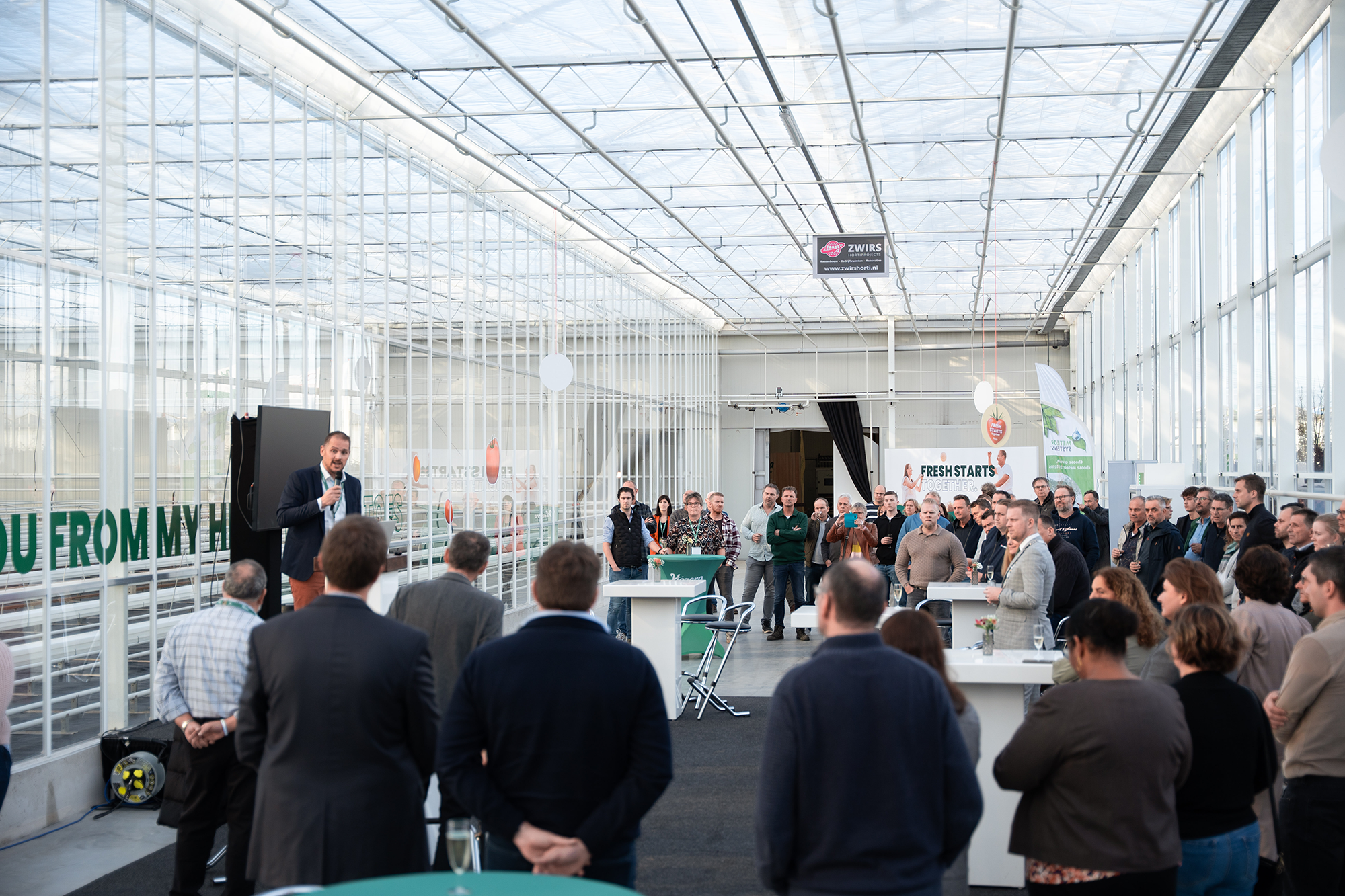
Hazera’s new high-tech R&D greenhouse, unveiled last week in Made, the Netherlands, marks a significant milestone in the company’s ambition to become a leader in the high-tech tomato industry. The nearly 5-hectare facility, located next to Hazera’s headquarters, will serve as a cutting-edge hub for research and development.


This investment, supported by Limagrain’s vegetable seed division, aims to enhance Hazera’s research capabilities, focusing on developing tomato varieties with strong disease resistance (particularly to ToBRFV), high yield and excellent taste.

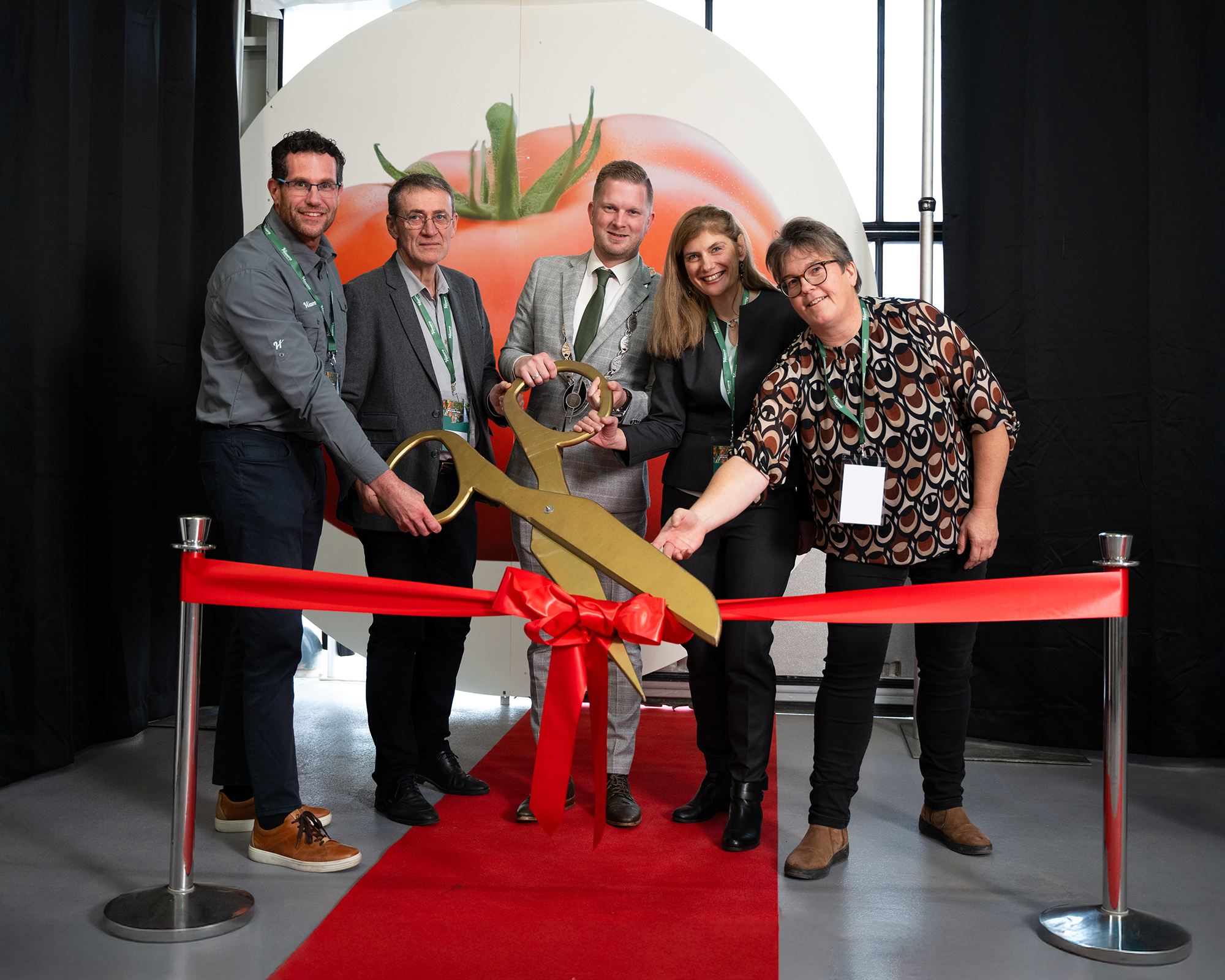
The official opening was done by the Mayor of Made-Drimmelen. From left to right Elad Shalit (Hazera), Gilles Gay (Limagrain), Mayor of Made-Drimmelen Mr. Scholtze, Milena Vulcheva (Deputy CEO Hazera) and Mary van Laar (Hazera)

The greenhouse is repurposed from an existing commercial operation, which aligns with Hazera’s commitment to sustainability. This facility will also allow Hazera to refine its breeding techniques and accelerate the development of innovative tomato varieties that meet evolving market needs. By leveraging advanced technology and expertise in breeding, Hazera aims to help growers overcome challenges and improve the quality of their crops.

The Netherlands, as a hub for high-tech tomato production, provides the ideal setting for this initiative, and Hazera envisions its new greenhouse as a vital tool for driving innovation and growth in the global high-tech tomato market.

Big thanks to the team
After the presentations and a tour of the greenhouse, we had the opportunity to discuss the future of tomato breeding in person with our partners. We also took the time to express our heartfelt thanks to the dedicated team of employees and contractors who worked on the construction of the new greenhouse.

Ready for the future
“This new greenhouse demonstrates our commitment to sustainability and efficiency, as well as extension of business operations”, says the new appointed Deputy CEO Milena Vulcheva. “We are incredibly grateful to everyone who contributed to this intensive period. This is a key milestone in our drive for innovation and ambition to become a leader in the high-tech tomato industry. Together with our partners worldwide we will build a sustainable future.”

A fresh boost for the region of Made
“The acquisition and renovation of André van Zeijl’s greenhouse by Hazera provides a fresh boost to Plukmade” according to Mayor Scholtze of Made-Drimmelen. “Since 1999, Hazera has had its operations in Made, and this expansion further stimulates local employment and commercial activity. It is something we, as a municipality, are proud of.”

For more information, please contact:
www.hazera.com / or check our social channels

HAZERA: Growing Together
Hazera Seeds is a global company that develops, produces, and commercialize  seed varieties and is a global leader in the seed industry. Hazera has headquarters in both the Netherlands and Israel and operates subsidiaries in 11 countries, together with a distribution network serving over 130 markets.
Hazera is part of the Limagrain Group, an international farmers’ cooperative based in France. Limagrain has grown into the largest seed company in Europe, specializing in vegetables, field crops and cereals. The vegetable seed division at Limagrain is the largest in the industry

More News

Voices from the field: Ipatioaie Costel reflects on 16 years with Hazera

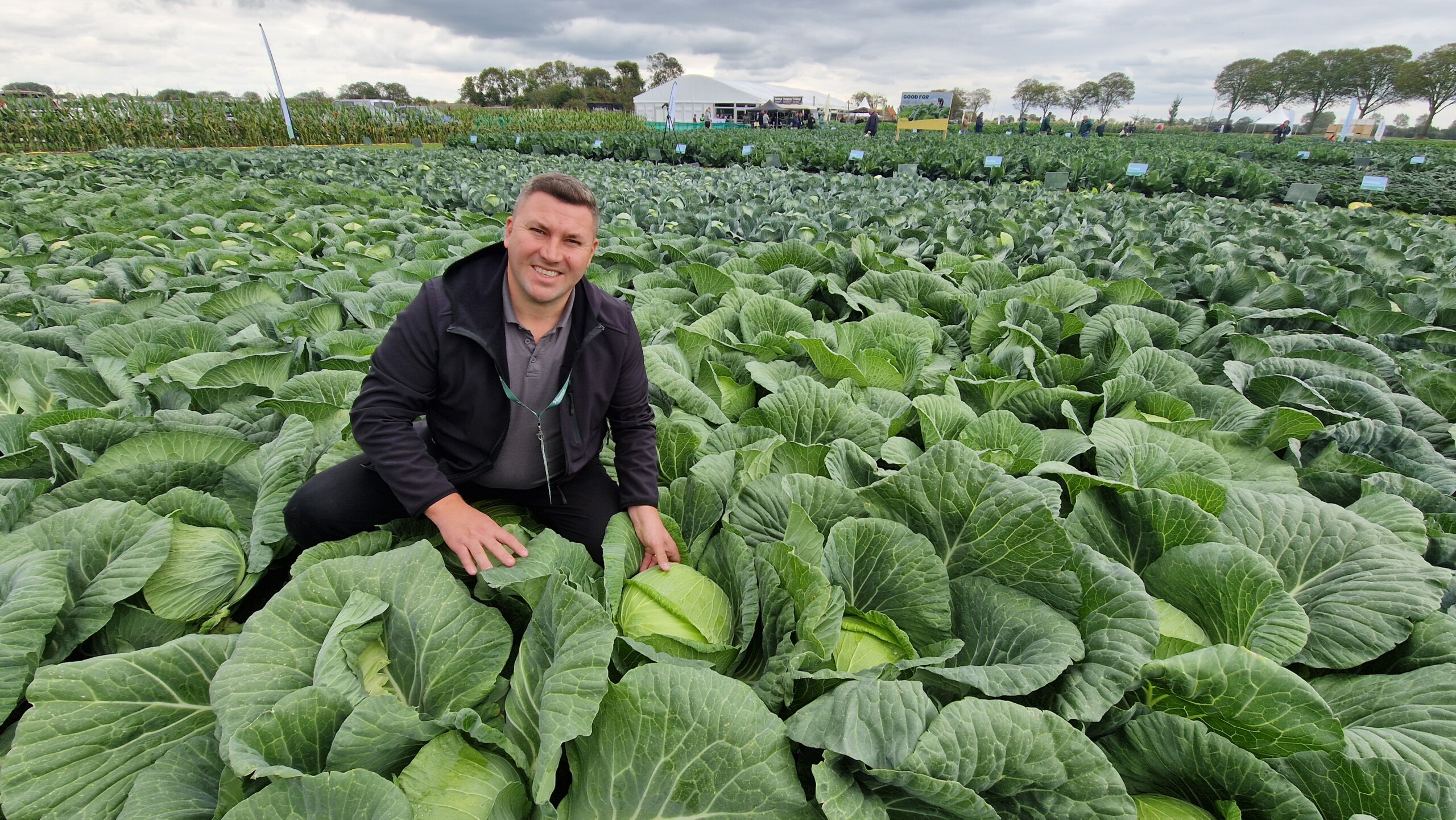
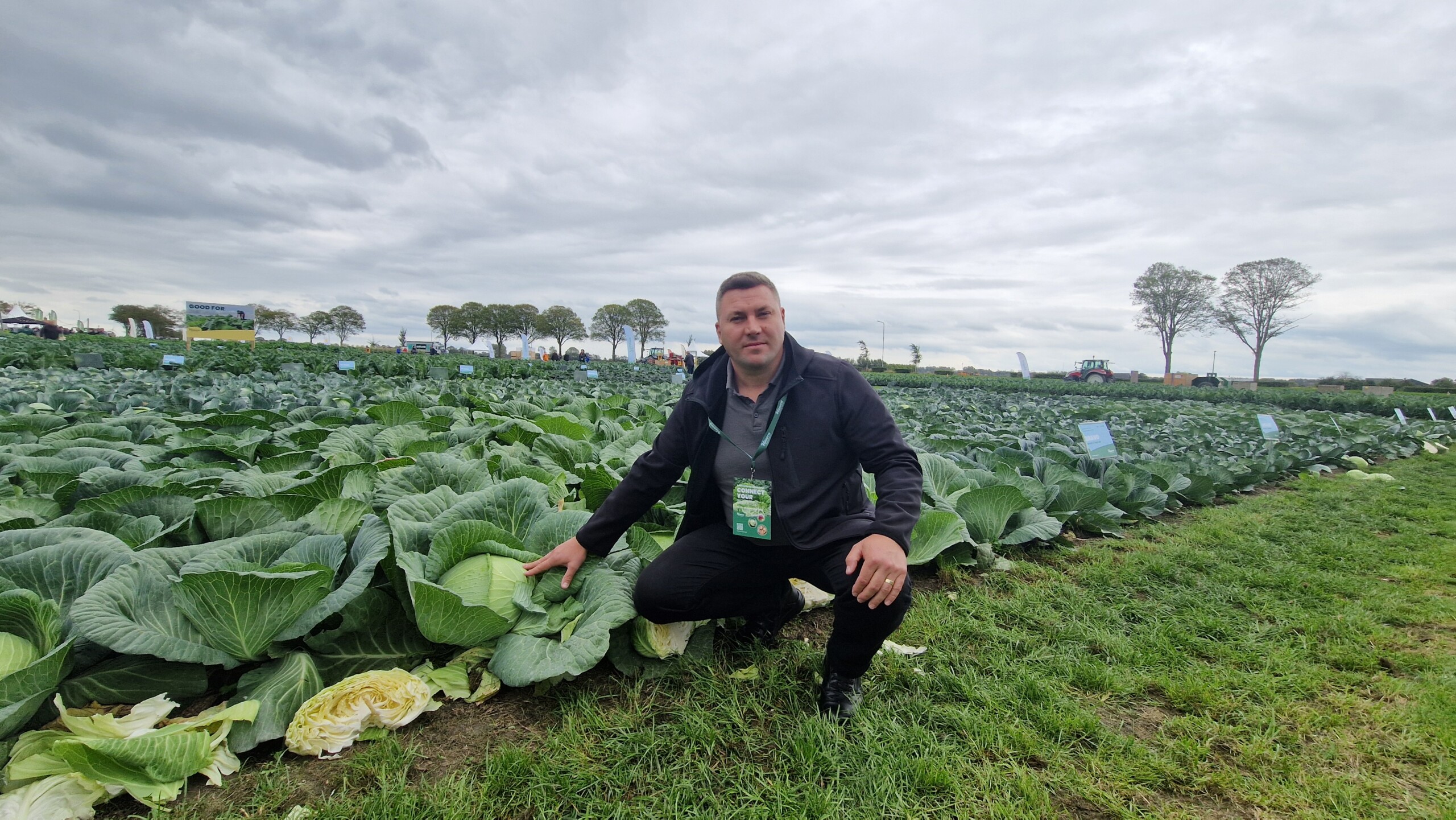
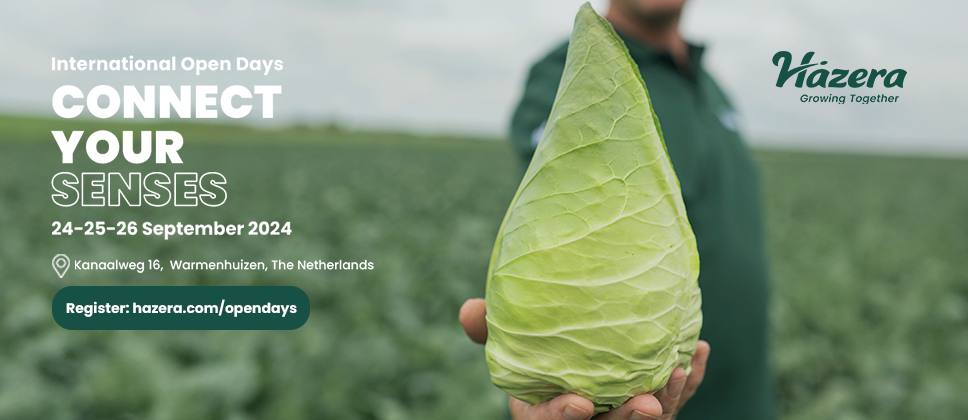
Hazera held its International Open Days from September 24th to 26th, welcoming hundreds of customers from all over the world. During the event, visitors had the opportunity to “connect their senses” by touching and tasting a wide range of Hazera varieties at the fields and on displays, while also hearing insights from our crop experts about key highlights.


We had the pleasure of speaking with one of our customers attending the event, Ipatioaie Costel, the sales representative for Adri Prodcom in eastern Romania. With over 16 years of experience working with Hazera, Ipatioaie primarily focuses on tomatoes and cabbage, while also dealing with radishes, peppers, and watermelons.

The conversation began with a discussion of the challenges currently facing the agricultural industry. According to Ipatioaie, the biggest hurdle is adapting to the rapidly shifting market demands. He emphasized the importance of understanding growers’ needs, developing strategies to meet them, and introducing innovative products while maintaining a competitive edge. “None of this is possible,” he noted, “without quality seeds, high-yielding varieties, fair pricing, and strong grower support.”

When asked about Hazera’s ability to respond to these market changes, Ipatioaie highlighted the strong collaboration between his team and Hazera. “This partnership allows us to take the necessary steps to overcome challenges. We work together to identify what is important—finding new, quality varieties for the market. It is a step-by-step process. First, we assess the market and competition, then work with Hazera to conduct trials, evaluate the results, and decide if a variety is suitable. This takes time—patience is key, especially since some varieties respond to market needs faster than others.”

Reflecting on his long-standing partnership with us, Ipatioaie expressed pride in the company’s consistent delivery of high-quality products, particularly tomatoes. “Hazera tomatoes are known for their taste, color, and quality,” he said. “Consumers first look for good taste, then color, and now they also want quality and high yield.” He described the balance between taste, resistance, and transportability as like a chess game, where you must prioritize traits based on market demand.

Ipatioaie thought that Hazera’s slogan, “Growing Together,” is both meaningful and fitting. “It is a powerful message,” he remarked. “Working together is essential for success, and this slogan perfectly reflects the shared commitment in the whole industry.”

For Ipatioaie, the most rewarding part of his job is engaging with growers, understanding their challenges, and providing solutions that truly make a difference. “That’s the best part—offering quality solutions after listening to their needs. To do this successfully, you need strong collaboration skills. Without being close to the growers and understanding the markets, success is impossible.”

Would you like to learn more? Contact us!

More News

Hazera’s newly appointed CEO reflects on Growing in the seed industry

Hazera’s newly appointed CEO reflects on Growing in the seed industry

A conversation with Hazera’s new CEO, Ofer Peleg

In his two and half years as Deputy CEO, and in leadership roles at dynamic global companies, Ofer Peleg has gained significant experience in business and agriculture. Now, as he steps into the CEO-role at Hazera, Ofer reflects on lessons learned and looks ahead to what the future holds.


“It’s been a fascinating 2.5 years, in which we’ve worked to optimize our efficiencies and leverage our capabilities”, Ofer begins. “I find the most valuable lessons to be this industry’s innovative nature and strong focus on sustainability.  That is what is leading us to find better solutions every day. I’m proud to be a part of it.”

Growing Together
“For me, the customer is front and center,” Ofer explains his priorities and his plans to strengthen Hazera’s focus on growing together with customers worldwide, and with the growers in a diverse global community in more than 130 countries.

“We’re putting great effort into adding value for them with our solutions, such as improving our loyalty programs, service level agreements and seed products to meet the needs of clients in different markets.”

 “There’s a strong sense of partnership, professionalism and community within the organization. It is evident that our employees enjoy what they do and go above and beyond.” Ofer highly values the input he receives from employees. “It’s important to me to always be listening to what they have to say. I’ll admit that I can be demanding as a manager, but the greatest demands I make, are for myself.” To continue moving forward, Ofer says, Hazera as an organization needs to be flexible, agile and strongly focused on product quality. “By fostering a strong sense of ownership in everything we do, we can push our organization to excellence.”

Building on a century of growth
With Hazera celebrating its 100th anniversary in 2025, Ofer takes a look at the future. “I’m honored that we’re part of the Limagrain Group, , together with our sister companies Vilmorin.Mikado and HM.Clause: the number one vegetable seed company in the world. Together, I see us continuing to play a huge role in the successes of the vegetable seed industry. And, most importantly, in the successes of the growers that we’ve been serving for nearly a century. We look forward to serving them for the century to come!” #GrowingtogetherAbout Ofer Peleg
Ofer joined Hazera in 2022 as deputy CEO after working for four years at Netafim (precision Irrigation global leader) as Vice-President, Global Supply Chain. Ofer had also previously worked 20 years in the pharmaceutical industry, most prominently at Teva Pharmaceuticals.


For more information, please contact:
www.hazera.com / or check our social channels

HAZERA: Growing Together
Hazera Seeds is a global company that develops, produces, and commercialize  seed varieties and is a global leader in the seed industry. Hazera has headquarters in both the Netherlands and Israel and operates subsidiaries in 11 countries, together with a distribution network serving over 130 markets.
Hazera is part of the Limagrain Group, an international farmers’ cooperative based in France. Limagrain has grown into the largest seed company in Europe, specializing in vegetables, field crops and cereals. The vegetable seed division at Limagrain is the largest in the industry


More News

Empowering Ethiopian farmers – a successful collaboration between Hazera, JDC and Greenlife

Hazera seeds, together with JDC, the global Jewish humanitarian organization, and its local representative Greenlife, has launched a two-year pilot program in Ethiopia. The project is part of TOV (‘Tikkun Olam Ventures’), JDC’s agricultural development project, that implements innovative agricultural technology (AgTech) to support and advance the businesses of smallholder farmers in developing countries, who currently use traditional farming methods.


Building on JCD’s decades-long and worldwide experience in collaborating with partners and companies such as Hazera, this program has been initiated to aid Ethiopia’s millions of smallholder farmers in increasing their crop yield with the help of AgTech.

Providing the foundation for success

The program started with seven demonstration sites, collaborating with local unions, MOAs and agricultural suppliers. Already in its second year, this collaboration has expanded to dozens of demo sites in targeted areas such as SNNPR, Amhara, and North Shewa to support hundreds of farmers growing tomatoes, onions, and peppers with the use of Israeli drip irrigation and fertilization systems. This technical support leads to enhanced productivity and better lives among the farmers, their families, and wider communities.

Local farmers unions and agribusinesses will also help the farmers get fair prices for their produce in previously untapped markets. TOV successfully managed to create a “Revolving Fund” model, which encourages the unions to adopt directed skillset and gives them the ability to purchase the seeds independently.

Hybrid seeds for a better yield

To achieve success, the JDC and Greenlife teams transfer the cultivational practices and knowledge needed to grow modern hybrid vegetables, with Hazera providing the hybrid seeds suited for the local growing conditions in Ethiopia. The goal of the program is to reach thousands of Ethiopian farmers over the next years.

One of these farmers is Mussa Jemal of Gurage. He shared that “Before partnering with the Greenlife and JDC, I planted local OPV vegetable crops, but since joining the project, I have access to Hazera’s hybrid vegetable seeds and seedlings, including Tomato Galilea, Hot Pepper Serenade Explorer and Onion Russet.”

“On top of these hybrid resources, the project also offers regular technical advice and extension services,” Jemal continued, “I’ve gained knowledge and skills to produce better quality yields by following the recommended agronomic practices and production protocols.”

Jemal proudly noted that based on the crop’s performance in the field, he anticipates a better yield this season.

The power of knowledge

Farmer Awgechew Betere, from Menjar Shenkora of Amhara, describes the importance of the knowledge transfer of the program and how it has helped his business.

“I’m getting regular technical support and extension advice on improving agronomic practices,” he said. “This includes irrigation, monitoring diseases and pests, fertigation, the application of pesticides and staking methods.”

Betere added that “all of this has improved my knowledge and skills in vegetable production. Thanks to the program, I’m sure I will get a better yield and income from the production. Furthermore, many of my neighbors have visited my farm and were motivated to produce hybrid vegetable crops as well next season!”

A fruitful collaboration

“As a leading seeds company in Africa and particularly in Ethiopia, we harness our strength and product portfolio for the good of this enterprise,” said Haggai Breslauer, the Sales Manager for Africa at Hazera. “Supported by our vast experience, we strongly believe that the combination of our added value of higher quality yield and the ability to compete with the challenging growing conditions brings significant advantages to the growers and their communities. This collaboration bears fruits of success, and we are proud to be part of this project!”

More News

Meet the people behind the crops: Manu Parmar

On September 24–26, Hazera will host its annual International Open Days in Warmenhuizen, where you will have the opportunity to explore our crop varieties up close and also get an inside look at the breeding process behind these varieties directly from Manu Parmar, our Global Breeding Lead for Cabbage.


Manu Parmar has been working with Hazera for the past few months and he is based in Warmenhuizen. He lives in Haarlem with his wife and two daughters. He was born and brought up in New Delhi, India. His father is a soil scientist, which motivated Manu to pursue an education in the field of agricultural sciences. He did his PhD in vegetable crops with a specialization in Breeding from Punjab Agricultural University. He has 18 years of experience in breeding various vegetable crops and back in India, he was a cabbage breeder.

What is a common myth about your job or field of expertise?
“I think a common myth about working as a plant breeder in a seed company is that the job is mostly about working in the fields and greenhouses. While fieldwork is certainly a part of the job, plant breeders often spend a significant amount of time in the office conducting data analysis, planning breeding programs, and managing projects.” Manu thinks for a second then continues saying that “another myth is that plant breeders are solely responsible for all aspects of the breeding process. But in reality, they often work as part of a larger team that includes research associates, lab technicians, and other specialists. This collaborative environment helps to streamline the breeding process and incorporate various expertise.”

In your opinion, what is the most important personality trait someone should have to work in your industry?
“One of the most important strengths for a plant breeder is strong analytical skills. This involves the ability to capture plant traits, interpret complex data and make informed decisions based on genetic, environmental, and experimental data. Collaboration and communication skills are important to be able to work across cross functional teams of genetics and lab scientists to bring innovation, speed and agility to the breeding program.”

Tell us about a project you’re proud of and why.
“I am proud to be part of the brassica breeding team and it is part of the heritage of Hazera. It started with developing varieties for Western Europe, but today we are a global player with a wide assortment of specific varieties. Pointed cabbage is our specialty with varieties like Dutchman, Regency and Marshal, and Berlenga for western Europe and Mediterranean markets.”

What does “Hazera- Growing Together” mean to you?
“For me Growing together means that the Hazera team believes in working through challenges, just like increasing world population, pandemics, regional conflicts, reduction of arable land, and climate change, and is determined to develop superior varieties and achieve food security.”

Tell us something about you that most people don’t know.
“In India, we drive on the left side, so it was quite an adjustment for me to learn how to write on the right side when I came to the Netherlands.”

Do you want to stay connected with our Hazera people?

Follow us on our social media channels to stay connected with our Hazera people! If you have any questions left, don’t hesitate to ask them via our contact page!

Learn more and register for our International Open Days here!

More News

Hazera USA: successful Hall Field Days

Last week, Hazera USA hosted its annual Hall Field Days in New York, drawing over a hundred customers, growers, and distributors from across the United States. The event offered a unique opportunity for the attendees to explore Hazera’s latest varieties and innovative concepts shaping the future of agriculture.


The event kicked off with an introduction to Hazera’s new concept of ‘Tomatoes that Work for You,’ presented by Hazera’s Tomato Expert and Regional Manager, Arno Van Staden. This forward-thinking initiative addresses some of the most pressing challenges in the tomato industry today, including rising production costs, labor shortages, and the need for sustainable farming practices. Arno’s presentation underscored Hazera’s commitment to leading the way in agricultural innovation.

Hall field days 2024

Another key highlight was the showcase of Hazera’s ToBRFV resistant tomato varieties. These breakthroughs represent a significant advancement in crop protection, offering enhanced resistance to ToBRFV. This innovation is crucial for maintaining crop health and ensuring consistent productivity despite the growing threat of diseases.

Attendees were also introduced to Hazera’s latest watermelon, cabbage, and sunflower breeds. These new varieties have been developed with a focus on improved yield, superior taste, and greater resilience. The excitement among the participants was palpable as they explored the potential of these crops.

Hall Field Days 2024

One of the most cherished aspects of the Hall Field Days was the opportunity for face-to-face interactions. Meeting customers, growers, and distributors in person allowed for meaningful exchanges, strengthening relationships and collaboration. The passion and commitment of the participants were truly inspiring, reinforcing Hazera’s dedication to supporting its partners in every possible way.

We look forward to many more opportunities to connect, learn, and grow together.


More News

Innovating Cabbage Breeding: Hazera’s Brassica Excellence at the Open Days

During the recent Hazera Open Days in the Netherlands, we had the opportunity to sit down with Maarten Danenberg, our Regional Product Manager for Brassica, to discuss Hazera’s continued innovations in cabbage breeding. With Brassica being a key component of Hazera’s history, it is exciting to see how we are adapting and excelling in today’s agricultural landscape.


Hazera’s Legacy in Brassica
Brassica breeding has been part of Hazera’s DNA since its origins in developing varieties tailored for Western Europe. Today, Hazera has expanded globally, offering a wide assortment of purpose-specific varieties that meet the diverse needs of different regions. As Maarten shared, the Research and Breeding teams work closely with Hazera’s global network of subsidiaries and distributors, staying updated on trends and preferences in various markets.

The Future of Sustainable Brassica Production
In light of the increasing demand for fresh produce and the pressures on natural resources, Hazera remains committed to producing high-quality, sustainable Brassica varieties. Maarten emphasized that one of Hazera’s core goals is to meet these demands without compromising the quality or nutritional value of crops like cabbage, which are known for their high yield and health benefits.

Hazera’s Leading Cabbage Varieties
One of the highlights of our conversation was learning about the specific cabbage varieties that Hazera has developed, which address different climates, consumer needs, and storage preferences.

Campbell: High-Yielding White Cabbage for Long Storage
One of the standout varieties is Campbell, a high-yielding white cabbage that performs exceptionally well in continental climates. It is designed for medium to long storage and is a favorite for growers looking for robust, reliable storage cabbage.
• Maturity: 140 days
• Density: 35,000 plants per hectare
• Head size: 2.5–4 kg
• Storage: Can be stored until June
• Resistance: Strong resistance to thrips, intermediate resistance (IR) to Xanthomonas campestris (Xcc), and high resistance (HR) to Fusarium oxysporum (FoC)

Campbell’s durability makes it an ideal choice for growers seeking a high-yield cabbage that can withstand longer storage periods.

Tyson: Easy-Growing Variety for Short to Medium Storage
Next is Tyson, another high-yielding white cabbage variety, but tailored for shorter to medium storage. Growers appreciate Tyson for its ease of cultivation and reliable performance.
• Maturity: 110 days or more
• Usage: Designed for short to medium storage
• Notable Traits: Strong and reliable variety

Tyson is a go-to choice for growers who need a cabbage that is easy to manage while still delivering excellent yields and storage performance.

Cali: Early and Flexible White Cabbage for Fresh Market
Lastly, Cali is an early and flexible variety that performs well in both summer and autumn, offering growers excellent yield and market versatility. With uniform heads, this variety is ideal for fresh market purposes.
• Maturity: 80 growing days from transplanting to harvest
• Head size: 3–5 lbs.
• Recommended transplant density: 30,000+ plants per acre
• Traits: Well-covered, round, and attractive greenheads
• Usage: Dual purpose, with high density making it ideal for fresh market
• Resistance: High resistance (HR) to Fusarium oxysporum (FoC)

Cali’s high-density growth and attractive green heads make it a top choice for fresh market growers.

Commitment to Excellence in Brassica Breeding
As Hazera continues to lead the way in Brassica breeding, the company’s commitment to sustainability, quality, and innovation remains clear. With varieties like Campbell, Tyson, and Cali, Hazera is providing growers around the world with versatile, high-yielding cabbage crops that meet a wide range of needs. Whether it is the resilience of Campbell, the reliability of Tyson, or the flexibility of Cali, Hazera’s cabbage innovations are a testament to the https://us.hazera.com/crop/cabbage/company’s dedication to supporting the future of agriculture.

Would you like to know more? Contact us or check out out cabbage portfolio.

More News

Fenix Pepper: The Golden Secret

Five years ago, Hazera introduced Fenix pepper, a blocky yellow variety, to greenhouse cultivation across Mexico, revolutionizing the pepper industry with its superior qualities.


Before the arrival of Fenix, Mexican growers faced a significant need for reliable pepper varieties that could deliver continuous yields from September to May. Growers often experienced a production gap with traditional varieties, especially during the cold months. At the same time, shifting consumer preferences increased the demand for peppers with good fruit shape and an attractive yellow color.

These market demands resulted in several competitor varieties entering the market. Fenix emerged after years of dedicated breeding that prioritized the development of a disease-resistant and strong crop that thrives even in stressed conditions and challenging latitudes where radiation is a limiting factor.

Fenix’s exceptional attributes, such as high yield, quality fruit in terms of color, shape, and uniformity, and a strong plant balance between vegetative and generative growth, make it the preferred choice for growers. Today, it holds approximately 40% of the market share in Mexico, particularly in the Sinaloa area.

“Fenix is a variety with very strong plant, that helps to have a healthy plant that can be grown on high radiation condition during summer when we start the harvest. During season, fruits continue with good sizes and thick wall. It’s an excellent variety for us with its flexibility to be packed in boxes and bags. On this segment of yellow blocky pepper, Fenix is the best variety for our growing conditions like salty soils and high radiation during big part of the season. During and after winter, Fenix keeps its uniform sizes and good fruit weight.” ~ Gerardo Gonzales Perez, grower at Horticola Jehersa S.P.R de R.L. farm in Yurecuaro, Michoacan.

With devotion to sustainability, we continuously seek ways to enhance our varieties. With Fenix, we implemented sustainable growth methods that minimize fruit waste and optimize the use of water and fertilizers. This approach reflects our dedication to creating a positive impact across the entire supply chain, from growers to consumers.

The success of Fenix is a testament to our commitment to innovation and people. The high performance and fruit quality of Fenix ensure that growers produce healthy, delicious vegetables that strengthen communities and promote healthy living. Our global diversity and invested expertise allow us to understand and adapt to the unique needs of various markets, ensuring that Fenix continues to be a valuable crop.

Would you like to learn more about Felix? Contact us!

More News

Hazera’s International Open Days: Showcasing our global portfolio to our partners & customers worldwide

Hazera’s International Open Days: Showcasing our global portfolio to our partners & customers worldwide

-Visit us & connect your senses-


Warmenhuizen, August 22nd – As Hazera, a leader in vegetable breeding and innovation, we are excited to announce our annual Open Days event. From Tuesday, September 24th to Thursday, September 26th. Growers, chain partners, and industry experts from around the world will converge at Hazera’s field in Warmenhuizen, The Netherlands

We are excited to grow together with you during our International Open Days. Connect your senses and experience our global range of varieties.

Hear our experts talk about our crops in the field and on display. Discover the latest techniques in mechanical planting and harvesting in our demonstrations.

What to Expect:

Open field varieties showcase: Visitors will have the unique opportunity to explore Hazera’s latest vegetable varieties. From all types of cabbages to leek, carrot, sweet corn and lettuce. In collaboration with HM.Clause and Vilmorin- Mikado. These varieties are meticulously developed to address challenges such as disease resistance, storage quality, yield, appearance, and taste. Our commitment to healthy and flavorful vegetables drives our continuous research and improvement efforts.

Innovative concepts: Hazera’s Open Days will unveil innovative vegetable concepts that prioritize taste, health, and ease of use. Notably, the extensive range of our ToBRFV tomato varieties and successful radish portfolio.

Fruited crops assortment: Inside the pavilion, we will showcase our tomato, cucumber and watermelon varieties. Visitors can explore the latest developments and innovations within these crops.

Guided tours and demonstrations:
Our product managers will be offering you guided tours showing you our latest varieties and sharing with you the latest information & insights. There will also be planting and harvesting demonstrations on the demo field in collaboration with Verhoest & Agriplant.

Event Details:
Dates:
24-25-26 September 2024. From 10.00 – 17.00
Location:
Kanaalweg 16 Warmenhuizen, the Netherlands
More information: www.hazera.com/opendays
The International Open Days are organized in collaboration with HM.Clause & Vilmorin-Mikado.

More News

Meet the people behind the crops: Federico Puyo

At Hazera, we are proud of our dedicated team, which works passionately to provide our growers with the best products. While we tend to put our products in the headlines, it is the Hazera team who are behind our success. Let’s shine the spotlight on Federico Puyo (52), Product Manager for Long Cucumbers and Blocky Peppers from Almeria, Spain.


Federico Puyo, Product Manager for Long Cucumbers and Blocky Peppers, lives in Almeria with his wife and two kids. He studied agronomy and has been working in the agricultural industry since 1994. He began his career as an advisor in crop management for local companies in the fertilizers and fruit trees business. After 25 years, Federico decided to return to his roots and work with vegetables. He joined Hazera five years ago and with his empathy, expertise, and curiosity he has been a valuable team member since.

What is a common myth about your field of expertise?
“A common misconception about the seed industry in general, which I also had myself, is that creating and breeding new hybrids is not a complicated process. But since I started working as a product manager, I learnt that I couldn’t have been more wrong about it.” Admits Federico. “Turns out, producing seeds is quite complex. Especially nowadays, as there is a need to develop global varieties that can thrive in various conditions and markets.”

In your opinion, what is the most important strength someone needs to be successful in your job?
“I think empathy and willingness to help others are very essential skills a product manager should have. At the end of the day, it’s not just the company that matters, but the people within. In my position, it is important to have empathy because you need to understand the challenges and needs of different departments and people like breeders, sales, and marketing. You need to be able to combine the various perspectives and work together towards a common goal. And of course, to do this, you also need to be curious, need to be engaged with different departments within and outside the company to learn and understand what they do. Then you have the full picture, and you are of better help.”

Tell us about a project you’re proud of and why.
“I can highlight two things I’m proud of. One is the mini seedless watermelon project I’m involved in with some colleagues from Marketing and Fresh Chain. I’m very proud of being part of this project because, despite all the difficulties the team is facing, we are taking a position in the market step by step. The other thing to highlight is related to my crop, long cucumber. I take pride in transforming the perception of Hazera in the Spanish market. At first, Hazera was viewed as a tomato company, but the reputation of our long cucumbers is growing more and more, and growers are curious about our varieties.”

Federico Puyo

What does “Hazera- Growing Together” mean to you?
“As I see it, Growing Together has two parts. One part is Growing Together internally, as I mentioned, being empathetic and curious and working as a team with colleagues. I might not be so knowledgeable in other crops, but I keep an open mind and try to connect with my colleagues and learn from them.” Federico smiles. “In the end, we are one team, and we need to have the same mission. Growing together externally means that we need to collaborate with our external partners and customers, understand their challenges and try to find solutions to help them. So, growing together is not only a benefit for Hazera but also a global benefit.”

Tell us something about yourself that most people do not know.
“Not many people know, but I would like to set up a tapas bar when I retire. My wife is not convinced yet of this idea.” Federico laughs. “But I’d love to own a tapas bar, where I can talk with the people who come in. And of course, drink a beer or two with them.”

Do you want to stay connected with our Hazera people?

Follow us our social media channels to stay connected with our Hazera people! If you have any questions left, don’t hesitate to ask them via our contact page!

More News

ZiMMan: The Cucumber Champion

Hazera’s Long Cucumber breeding program, initiated around ten years ago, is still relatively new. This makes it even more impressive that at such an early stage of the program, our team was able to breed ZiMMan, a variety that responds exceptionally well to new environmental stress factors like climate change, water salinization, and new plant viruses.


In the ever-evolving field of agriculture, with increased environmental challenges, Hazera needs to produce versatile varieties. ZiMMan is the first variety developed with this in mind. It is a notable addition to the Hazera cucumber portfolio, designed to tackle these challenges, with a main focus on fighting against the new plant viruses, especially CGMMV.

ZiMMan was launched in Spain, a key market for Long Cucumbers. But its adaptability to thrive under hot conditions, high yield, and comprehensive set of resistances (CYSDV, CVYV, CGMMV, Px) make ZiMMan a resilient and reliable choice for growers worldwide.

“The team started to develop ZiMMan around four years ago and within its first commercial year, ZiMMan achieved a 10% market share of the Spanish market in seed quantity. I’m impressed and proud of the team that they were able to achieve this level of success in such a short time with our cucumber breeding.” – Federico Puyo, Product Manager for Long Cucumber.

Moreover, ZiMMan showcases Hazera’s commitment to innovation and excellence, offering several key characteristics that ensure its adaptability to diverse growing conditions and environmental stresses:
Strong Root System: Ensures the plant’s resilience and ability to withstand stress.
Dark Fruit Colour: Indicates a healthy and visually appealing crop.
Plant Structure: Promotes optimal growth and productivity.

With investing the expertise of its team, Hazera is on a journey towards cultivating stronger and more resilient cucumber varieties.

Would you like to learn more about ZiMMan or our cucumber breeding program? Feel free to contact us.

More News

Cabbages: Growing food trend

From wraps to kimchi
Sauerkraut may be on the decline, but its consumption has been stable for years.

The way we eat sauerkraut is changing: from stew to an oven dish, as a side dish, or in a salad. “A new, young target group has discovered the health benefits of fermented products. That gives cabbage a boost.


Large part of cabbage for industry

The majority of red cabbage goes to the processing industry. They end up cut into vegetable packets or pre-cooked in jars. About 70% of white cabbage goes to processing plants and other processors. This is preferably done as soon as possible after harvest, according to Maarten Danenberg, product manager of Hazera. The remaining 30% of the white cabbage in the Netherlands ends up on the shelf in its entirety. That proportion is higher with pointed cabbage, says Danenberg: “Pointed cabbage is easier to cut in your own kitchen. And we’re seeing more and more recipes with half or a quarter of pointed cabbage, pan-fried or grilled on the barbecue.”

Hazera’s pointed cabbages Regency & Dutchman

Pointed cabbage is one of the head cabbages that is clearly growing in volume, Danenberg observes: “Not spectacular; a few percent per year. But that increase has been going on for about twenty years.” The development is coming from the United Kingdom, especially to the Netherlands and Germany.” Popular varieties at Hazera are Regency and Dutchman (for summer cultivation) and Marshal (storage). We also see growth in our flat cabbage varieties like Callaway & Catelya for Central Europe, the Balkans and Turkey.

Brassica breeding is part of Hazera’s heritage

It originated with development of varieties for Western Europe, but today we are a global player with a wide assortment of purpose specific varieties. Our Research and Breeding teams are closely connected to our global network of subsidiaries and distributors, through whom we are in touch with the latest industry trends and preferred requirements within the various Brassica crops.

More News

How ToBRFV varieties changed the tomato market in Greece

Greece is recognized for its substantial consumption and production of tomatoes, both fresh and processed. This brief explores the transformative impact of Tomato Brown Rugose Fruit Virus (ToBRFV) resistant varieties on the tomato market, focusing on the pre-existing conditions, the emergence of dominant varieties, their characteristics, benefits, and the broader implications for tomato cultivation.

Let’s see what Petros Karkatselis, General Manager can tell us how the ToBRFV varieties changed the tomato market in Greece.


Market overview prior to ToBRFV resistant varieties
“Before the introduction of the ToBRFV resistant beef tomato varieties, the virus significantly affected the tomato cultivation in Greece. It caused a reduction of approximately 15% in tomato greenhouses cultivation area. This decline was attributed to the virus’s detrimental effects on both yield and fruit quality, prompting growers to shift to alternative crops, such as cucumbers and tomato mini plums, that we saw an increase in the last two years in cultivation area by over 15%.”

Which ones are the dominant varieties in the Greek market?
“Hazera introduced Thireos F1, the first ToBRFV resistant beef tomato variety in Greece, with initial plantings in spring and expanded cultivation into autumn/overwinter periods. The variety has shown promising results, with excellent yield and fruit quality, encouraging repeated cultivation among growers. Similarly, the mini plum tomato variety Lollipop has gained traction for its resistance to ToBRFV, bolstering grower confidence in tomato production free from the virus’s threats.”

What are the main benefits of these varieties?
“Thireos is characterized by a robust and vigorous plant producing large, shiny red beef tomatoes with outstanding taste and quality.
Lollipop is known for its strong plant and high yield, Lollipop produces fruits with exceptional taste and extended shelf life.
These varieties not only outperform older varieties in yield but also offer a resistance package that allows for the cultivation of non-grafted plants, reducing costs significantly.”

How ToBRFV varieties changed the tomato market in Greece

What tomato the growers are looking for today?
“The challenges of pest infestations (Tuta Absoluta), labor costs, and ToBRFV have contributed to a declined tomato cultivation in Greece. Growers are searching for resistant varieties that offer ease of cultivation and high performance to mitigate these threats. The demand for ToBRFV resistant varieties is a testament to the industry’s need for solutions that effectively address both the virus threat and cultivation costs.”

How are the Hazera ToBRFV-resistant varieties perceived in Greece?
“Hazera’s introduction of ToBRFV resistant varieties has been well-received in the market, providing growers with the means to produce high-quality tomatoes while alleviating concerns over virus-related losses. Hazera’s proactive support and knowledge sharing have been instrumental in assisting growers to optimize their cultivation practices and achieve superior results.”

How are Hazera’s efforts recognized?
“Hazera has been breeding resilient and resistant varieties to overcome the challenges in the market for a long time. With its ToBRFV varieties Hazera tackled new challenges and showed its commitment to support growers in difficult situations as well.”

How the ToBRFV varieties work for the growers?
“The introduction of ToBRFV resistant varieties, such as Pendragon, Giubilo, Windsor, Canelo, Lollipop and Thireos, aligns with the concept of “Tomato That Works for You,” emphasizing the synergy between innovative breeding techniques and the practical needs of tomato growers. This approach highlights the industry’s shift towards sustainable and resilient agricultural practices in the face of emerging threats.

In summary, the introduction of Hazera ToBRFV resistant tomato varieties has significantly influenced the Greek tomato market, offering new opportunities for growth, stability, and sustainability in the middle of challenges. Hazera’s contributions, through the development and support of these varieties, have been critical in revitalizing tomato cultivation in Greece, reflecting a commitment to innovation and sustainability in agriculture.”

Would you like to learn more about the market in Greece or have other questions? Contact us!

More News

The snack vegetable radish mix: colourful, healthy, and Best Product of the Year

In the Nederlandse Consumentenverkiezing (Dutch Consumer Election) of 2023-2024, the AH Snack Vegetable Radish Mix, for which Hazera produces and breeds the radish seeds, has been elected as the Best Product of the Year in the category of potatoes, vegetables, and fruit. Dirk-Jan Polak, Crop Specialist in radishes, lamb’s lettuce, and baby carrots, sees the award as a compliment for the entire chain behind this product. “You help people make healthier choices.”


According to Dirk-Jan, the success story of the radish mix begins with genetics. “This ensures that we can continuously deliver high-quality seeds, allowing the grower to produce an excellent final product. Our radishes are beautifully round, have good internal quality, and grow very consistently during different seasons and weather conditions.” As a market leader in radish seeds, seed quality is a top priority at Hazera. “Credit for this goes to the breeders,” says Dirk-Jan. “Through continuous development, we have been able to introduce distinctive radish varieties to the market.”


Unique combination
In addition to genetics and seed quality, it’s the ability to produce radishes in various colors that makes the difference. “Purpella F1 and Whitella F1, purple and white radishes respectively, are the only two colored radish varieties cultivated on a serious scale. And they come from Hazera.” Combined with the well-known red radishes, these colored varieties form the AH Snack Mix. An idea from grower Ortolanda, says Dirk-Jan. “The mix of various colored radishes, sold in top seal packaging, aligns with the growing demand for snack vegetables, Ad Coolbergen, managing director of Ortolanda, explains.


Growing together
“We always keep the consumer in mind, on whose plate our product ultimately ends up. That’s why the collaboration throughout the chain is so important.” Dirk-Jan refers to the cooperation between Hazera, Ortolanda, Bakker Barendrecht (a Greenyard company) and Albert Heijn, from which the award-winning radish mix originated. “Breeding, developing, growing, and marketing these types of products requires craftsmanship.” Ad confirms this. “The successful introduction of a new product in the market requires good chain collaboration, where everyone is on the same page. This way, we can collectively meet the market’s needs and respond to consumer trends.”This has been excellently achieved with the radish mix, says Dirk-Jan. “The trend for 2024 is healthy snacking, where people choose vegetables and fruits instead of candy or chips. This radish mix perfectly addresses this trend, fulfilling two important consumer needs: healthy and convenient snacking.” Ad expects the mix to appeal to an entirely new, mainly younger, target audience. The radishes look appealing, are healthy, and are ready to eat straight from the container. With this product, Albert Heijn makes healthy snacking accessible.” Hazera and Ortolanda are both proud to contribute to this.”


Stay on track
Dirk-Jan is optimistic about the future, both in terms of the product and within the chain collaboration. “Radish is a beautiful vegetable that helps people make healthier choices. The fact that the AH Snack Vegetable Radish Mix has been chosen as the best product is a recognition that, with our breeders and partners, we are on the right path and an encouragement to continue the constant development of such products.”

Want to know more about our business?

Follow us on our social media channels to stay connected with our Hazera people! If you have any questions left, don’t hesitate to ask them via our contact page!

More News

How the ToBRFV varieties changed the tomato market in Spain

ToBRFV, Tomato Brown Rugose Fruit Virus, is a constant threat to growers worldwide as it significantly reduces yields, affects the quality of the fruit, and systematically infects other plants. It is a very transmittable virus that can infect through soil, tools, water, and people’s contact. Hazera has been tackling this threat with its ToBRFV IR varieties- the optimal balance between protection and performance– which provide growers with an effective tool to face the highly infectious virus.

Alfredo Mesa, Product Manager for tomatoes tells us how the ToBRFV varieties changed the tomato market in Spain.


Can you give an overview of the market before the presence of the ToBRFV resistant varieties?
“Not all the markets have reacted the same way to the virus. In the first markets with virus-infected tomato crops, growers needed to adapt to the situation without resistant varieties. From doing one long cycle per year, they moved to two cycles. Others were searching for varieties with field tolerance. Growers realized that they needed resistant varieties as their “tolerant” varieties were not strong enough anymore due to the increased level of infection, so the seed companies started to release resistant varieties. These markets needed to be open to change their traditional varieties to new resistant ones because the growers were not willing to try anything without the resistance.”


How did the new virus impact the market?

“All markets were impacted differently, depending on when the virus appeared. It seemed to have affected more greenhouse production than open fields. The more intense the agriculture system was, the more impact the virus had on that market. Another change in the market was the change of susceptible varieties to resistant ones. However, the cultivated tomato area has not decreased yet.”

How did the new virus impact the growers?
“Growers suffered from marketable yield loss. They needed to finish their crops earlier, sometimes even two months earlier than they used to, leading to shorter growing cycles. It was necessary because the virus weakened the plants by reducing the foliar area. If the infection starts in young plants, growers must pull out the plants and start again if possible. If not, they need to move to other crops.”

How did Hazera develop its varieties?
“Hazera has been researching and investing massive resources and working for over ten years side to side with our growers/partners to develop a good resistance level without compromising the performance of the current varieties. Breeders, phytopathologists, and genetics worked together, implementing state-of-the-art tools and technologies to speed up the discovery and implementation stages. Thousands of sources were screened looking for potential sources of resistance against the virus. New phytopathology bioassays were developed to confirm and validate the potential sources found. Then parental lines and further hybrids carrying the resistance against the virus were developed and hybrids were deployed in a vast network of trials in the different markets worldwide to confirm both the resistance against the virus and the agronomical performance. Only varieties combining both Resistance and Performance were promoted to the next stages.

Which ones are the dominant varieties in the Spanish market?
“Depending on the typology. For example, nowadays, the Mini Plum varieties, like Pendragon, and Windsor are the more common ones. They have a high performance in all markets and all seasons. Both are very productive and outyield most of the competition, even more so when ToBRFV is present. They also make the harvest process very efficient as the fruits from two and three clusters could be left in the plant and harvested at once. Shelf-life of the fruits is also very good, which allows the harvest to be very efficient. Growers who didn’t have problems with ToBRFV are still very satisfied with Camelot. In segments where new ToBRFV-resistant varieties are not performing well, such as cluster typologies, growers stick to their traditional varieties. Additionally, some plantings, particularly those in November-December with short cycles and no virus present, serve as opportunities for growers to test new ToBRFV-resistant varieties as a precaution.”

What are the main benefits of these varieties?
“If I had to narrow it down, I would highlight the following characteristics:
– High yield potential with very little waste in the field and retail.
– Good quality fruits if they are harvested at the right time in terms of maturity with extended shelf-life.
– Good resistance to ToBRFV infection.”


What are the tomato growers looking for today?

“They look for resistance and performance, which means that fruits and plants do not show symptoms of infection, and at the same time, the varieties perform over the minimum standards of yield, size, quality, etc. First, of course, they look for resistance, but after testing what the seed companies are presenting with resistance, they request high performance. Hazera will not release inferior varieties.”

How are the Hazera ToBRFV-resistant varieties perceived in Spain?
“Hazera did not only contribute with varieties with good levels of resistance and performance but also with education on dealing with the virus. The Hazera team did their research and communicated their findings to the growers, technicians, and agricultural advisors. The Hazera team had a clear message that the best strategy to prevent the virus infection is to start the crop with a clean and disinfected structure and ground, then use resistant varieties, and finally, use the best practices when working in the greenhouse.”

How are Hazera’s efforts recognized?
“The growers recognize the effort done by Hazera to help them overcome the new threat/virus. They can see the difference between susceptible and IR-resistant varieties. They know that Hazera varieties are reliable, and they are confident. The proof is the many phone calls we receive requesting information and seeds for our varieties. We are a reference in the fields because we are the ones who talked about the virus to them even before they knew that they have the virus in their greenhouses.”

Would you like to learn more about the market in Spain or have other questions? Contact us!

More News

Hazera's new High-tech tomato greenhouse

Cultivating the future: Hazera’s new High-tech tomato greenhouse

Hazera has recently acquired a new high-tech greenhouse next to our headquarters in Made, the Netherlands. According to Yossi Shapiro, Head of R&D, this acquisition marks a significant step in Hazera’s journey to establish a strong position in the high-tech greenhouse tomato industry. He gives insight into the acquisition process, goals in research and development, and what Hazera can offer to the high-tech tomato market.

“Our goal to establish ourselves as one of the leaders in the high-tech tomato market with our mid- to long-term plan, as there is strong competition there”, Yossi says. “This goal was the primary motivation to invest in a state-of-the-art active tomato greenhouse, as you need the best facilities to compete with the best.” Hazera is empowering its tomato portfolio worldwide through the new high-tech tomato project with the strong support of Limagrain’s vegetable seed division. As the largest company in the vegetable seed industry, Limagrain Group has significantly invested in this project.

Hazera's new High-tech tomato greenhouseBackyard transformation
Yossi says multiple options were considered, such as renovating existing facilities or building a greenhouse from scratch. “But the answer was right in our own backyard: to buy an industry-grade, commercial greenhouse operation, that we can readily transform into a research facility with the help of our experts.” André van Zeijl, the previous owner of the greenhouse, has been an independent grower for over 25 years.
He has a lot of experience and will support the transition to a research facility.

With advanced technology and a focus on producing clean seeds through good seed and plant practices (GSPP), Hazera aims to elevate its research capabilities. Another important advantage of acquiring an existing facility, is sustainability. Re-purposing the greenhouse in Made, rather than building a new one, suits Hazera’s strategy of caring for the planet that helps us grow extraordinary seeds. We take our responsibility for the environment very seriously. Hazera has a lot of know-how and experience in breeding high-quality varieties that can be grown with reduced input. It’s great to see that a company like Hazera has such a strong focus on sustainability.

Experts in resistance, yield and taste
When talking about Hazera’s position in the high-tech tomato market, Yossi notes that “We also bring something very valuable to the table: our expertise in developing tomato varieties with strong resistance to diseases, particularly in response to ToBRFV, combined with excellent yield and taste. This can really equip growers to manage their biggest challenges. A great example of this is Pendragon, one of the ToBRFV-resistant varieties that we’ll be growing in the greenhouse. In addition, this greenhouse provides us with the opportunity to further improve yield, fruit quality, and commercial appeal of those varieties, and to implement the innovative techniques and technologies which will increase our efficiency, enhance the R&D outcomes, and accelerate time to market.”

“The Netherlands is the birthplace and center of the global high-tech tomato industry, so it is a natural location for us to launch this program”, Yossi continues. “But the goal of all our efforts is to develop hybrid high-tech tomato varieties to meet the evolving needs of our grower customers, wherever they may be, so they can serve the needs of their customers. When consumers are enjoying tasty and healthfully tomatoes grown from our seeds, we can say that we’ve been successful in our mission.”

A vision for tomorrow
“The heightened level of control and optimization in the high-tech greenhouse environment ensures that we can replicate production conditions under which we want to evaluate the varieties we are developing and advancing. That way, we aim to bring innovation and improvement to high-tech tomato markets around the world.”
“By combining our new active greenhouse research facility in Made, the expertise we have in developing leading tomato varieties, and our experience in customer engagement, we expect to play an important role in the high-tech tomato industry”, Yossi concludes. “There’s an exciting opportunity to grow this part of our business, and it starts with R&D.

Want to know more about our business?

Follow us on our social media channels to stay connected with our Hazera people! If you have any questions left, don’t hesitate to ask them via our contact page!


More News

Fruit Logistica Innovation Award 2024

Staay Food Group and Hazera Seeds present new watermelon

Exceed mini watermelon nominated for Fruit Logistica Innovation Award 2024

The Exceed mini watermelon has been nominated for the 2024 Fruit Logistica Innovation Award, marking a proud moment in the long-standing partnership between Staay Food Group and Hazera. The winner will be announced at Fruit Logistica in Berlin (7-9 February), where Staay will be present to premier the Exceed watermelon.

Mark Loojenga, Marketing Manager at Staay Food Group, and Michal Taraska, Global Value Chain Lead at Hazera, discuss the product, the partnership and what to expect at the Food Logistica.

EXCEED mini watermelon nominated for Fruit Logistica Innovation Award 2024
Exceeding expectations

According to Mark and Michal, the Exceed watermelon has earned its nomination through a unique combination of qualities that benefits growers, retailers and consumers. “The Exceed watermelon is a durable and eco-friendly variety, with strong resistance to diseases like powdery mildew and has plants that provide multiple harvests. Not only does this make life easier for the grower, but it also requires less fungicides and significantly less water than the production of traditional watermelons”, Mark says. Michal adds that this also helps reduce food waste: “Exceed makes it possible to reduce losses in production and during transport.”

“And due to the variety’s extended shelf-life of over 5-10 days longer than traditional watermelons, this variety displays a long-lasting freshness in both supermarkets and consumer’s homes”, he continues. With its compact, uniform size the Exceed watermelon answers a strongly growing call in the (Northern) European and American markets for smaller watermelons. “The size is suitable for ever smaller households and easy to keep in the fridge. And they’re seedless, which is both a major convenience for consumers and a waste-saver.” Mark adds. “But it’s the taste and color they come back for.” Michal: “The Exceed mini watermelon has a really sweet and crispy taste, as is shown by its above average Brix level.”

Team effort
The Exceed mini watermelon is the latest success in a long-standing collaboration between Staay Food Group and Hazera. “Staay is a strong and dynamic partner, which is key for successfully introducing a new product to the market”, Michal says. He underlines the importance of such a partnership for Hazera. “We can provide the best Formula One car, but we still need a top-class driver to win the race. In Staay Food Group, we’ve found that driver.”

An analogy Mark wholeheartedly agrees with. “Hazera provides top-quality seeds that are perfectly suited for our fields in Costa Rica. And with this newly developed variety, we perfectly reflect the demands of the market; we’re able to grow the right products. The Exceed mini watermelon is another step in our close and fruitful cooperation.”

Premier release at Fruit Logistica Berlin
The premier release of the Exceed mini watermelon for the European market will take place at Fruit Logistica, where Staay Food Group will be present at stand B45 in hall 3.2. “Here, we will also display a selection of other products we grow and offer ourselves,” Mark elaborates. “For the first time we can show our three club varieties of colored pears together: The Red Conference, Early Desire and Dazzling Gold are all exclusively available through Staay Food Group. Secondly, we show our hydroponic lettuces, and finally our wide range of available vine tomatoes. In addition, we will bring special attention to our branch in Venlo, which focusses on the food service industry. This location provides a quite unique service for the German market, where customers can buy products per box instead of per pallet and can combine different products on one pallet. This is ideal for restaurants, who usually don’t need entire pallets of one product.”

The prize-giving ceremony for the innovation award will take place on 9 February 2024, 2.30 p.m. at the FLIA Technology special exhibition area between Halls 1.1 and 2.1. Mark and Michal agree this nomination “shows we are on the right track in our team effort to successfully align the development, cultivation, sales and marketing of excellent and innovative products.”

Staay Food Group B.V.
Mark Loojenga
Marketing Manager
+31 6 13 80 89 81
mark.loojenga@staay.nl
www.staay.nl
Hazera Seeds B.V.
Rosaline Hazenbroek
Marcom Specialist
+31 6 28 09 60 68
rosaline.hazenbroek@hazera.com
www.hazera.com


Staay Food Group
is an international cultivation, sales and marketing organization in fresh fruit and vegetables with a global network; The World is our Garden. Staay Food Group is a family business, founded in 1946. It delivers tailor-made products to customers in retail, wholesale, foodservice and processing.

HAZERA: Growing Together
Hazera’s headquarters are situated in Israel and The Netherlands, with subsidiaries in twelve countries and an extensive distribution network providing services in over 100 additional markets. This worldwide presence enables us to be close to our customers.
Hazera is part of the Limagrain Group, an international agri-business based in France. Being a farmers’ cooperative, the Limagrain Group understands the needs of its customers and has grown to become the largest seed company in Europe, specialising in vegetables, field crops and cereal products. Limagrain’s vegetable seed division is the second largest company in the industry.

More News

Meet the people behind the crops: Dirk-Jan Polak

Meet the people behind the crops: Dirk-Jan Polak

At Hazera, we are proud of our dedicated team, which works passionately to provide our growers with the best products. While our products often grab the headlines, it is the Hazera team who are behind our success. Let’s shine the spotlight on Dirk-Jan Polak (57), a Commercial Crop Specialist from Poortugaal, Netherlands, who plays a vital role in our organization.


Dirk-Jan has agriculture running in his veins. He shares with a smile. “My family history is quite interesting. We are a real food family. We are growers, fishermen, butchers, and bakers. In fact, just near our head office in Oosteind, you can find a bakery, the Bakery Polak, a legacy of my family.” For eight years, Dirk-Jan was a game dealer and built the Hollands Wild brand together with Jo Kloet. “We were the odd ones in the meat world.” Dirk-Jan laughed. “Because Jo had been a marketing director at Rijk Zwaan and I had had my vegetable-cutting company.” He joined Hazera two years ago as a Commercial Crop Specialist for radishes, corn salad, and baby carrots. His dedication to his work and crops is shown in the success of various projects. A recent example is the radish mix, where Dirk-Jan’s contributions played an important part and helped the project earn the prestigious title of Best Product of the Year in the Dutch Consumer Election.

What is a common myth about your job or field of expertise?

When asked about a misconception in his field, Dirk-Jan responds: “Most people who are no longer connected to our agriculture and horticulture hardly realize how professional and efficient we have become, but also how dependent we still are on nature and have to deal with it and every day.’’

In your opinion, what is the most important personality trait someone would need to work in your industry?

Dirk-Jan believes effective communication is crucial in his role as a Commercial Crop Specialist. “I act as the bridge between growers and Hazera, facilitating the flow of needs and solutions. It’s not just about delivering products; it’s about understanding the growers’ challenges, market demands, and regulatory landscapes,” he explains. “So, we can provide them a solution for the right varieties, the right calibers at the right time, in the right place.”

Which project are you proud of and why?

Dirk-Jan said immediately with a smile: “The radish mix was a nice project. It was the idea of a grower at Ortolanda to put three different colored radishes (purple, red, and white) in one box. It kind of looks like a rainbow radish box. This radish mix opened a new, so-called “snack radish” market, which is attractive for a new target group of consumers, the younger generation.” Continues Dirk-Jan with excitement. “It even caught the attention of Albert Heijn, a major Dutch supermarket, positioning radishes in a new, health-focused spotlight. It is also good and healthy for the people because, with the radish mix box, they eat three kinds of radish at once.”

What does “Hazera – Growing Together” mean to you?

“I like this slogan, because we as Hazera, as a breeder, are at the beginning of the whole food chain and this position comes with a great responsibility. That is why it is important to grow together with our growers, and our customers by listening to them and creating varieties that are needed for the markets to be able to feed the world sustainably in the future. This slogan also refers to the great team we have at Hazera that works together.”

Can you tell us something about yourself that most people do not know?

“I am an enthusiastic person, who always thinks of solutions. I think there is a solution to all the problems, but it is very important to communicate with your colleagues and customers. For many years I used to work primarily in Dutch and the transition to work mainly in English has been a bit difficult.” Dirk-Jan admits with a candid smile. “But it is getting better, and I try to be the ambassador and communicator for my crops and role.”

Do you want to stay connected with our Hazera people?

Follow us our social media channels to stay connected with our Hazera people! If you have any questions left, don’t hesitate to ask them via our contact page!

More News

UPDATE: Hazera UK Partners Veg Power Schools Project!

UPDATE 07/12/23

Colleagues from Hazera UK joined the Veg Power Team on 8th June 2023 to help the children of Birchwood Junior School in Lincoln with the next exciting stage of their ‘GROWING TO LOVE’ tomato project.

It was time to re-pot the tomato seedlings that the children had raised and looked after so carefully since sowing them in April, and they were thrilled to show us what they had achieved, all perfectly captured by the Veg Power camera crew!

With much enjoyment and enthusiasm, involving compost, pots, labels and plenty of water, the children were justly proud and happy to have prepared their plants to take home for nurturing over the summer holidays. We are sure you will see their joy and delight in the attached photographs!

We hope to have the opportunity to re-visit the school in September to witness the final chapter –
The Tomato Harvest!

(Original article below)


Hazera UK are delighted to be full members of the UK Veg Power Alliance, a not-for-profit organisation encouraging children to eat more vegetables. It has been shown that 80% of UK children are not eating enough vegetables, with one third eating less than one portion a day. Veg Power has introduced several initiatives to inspire children, and their parents, to include more vegetables as a fundamental part of their everyday diet.

Providing educational packs

One of the Veg Power initiatives for 2023 is to provide educational packs to schools across the country to link with the ‘EAT THEM TO DEFEAT THEM’ TV advertising campaign. The packs will be sent to 15 schools in the area around the Hazera UK Head Office, supported by our membership of the Alliance. We believe providing the packs to local schools will not only encourage the health and nutrition of local children but also promote the Hazera brand more widely.

Growing to Love

Hazera UK will also support the participation of local schools in another Veg Power initiative, ‘GROWING TO LOVE’. Most children are enthused by planting a tiny seed, nurturing it, and watching it grow, indeed, research has shown children are more likely to try the food they have grown themselves. The ‘GROWING TO LOVE’ project involves children sowing and raising tomato plants during the summer, and then using the fruits in cooking sessions at the conclusion of the project. In partnership with Veg Power, Hazera UK has agreed to fund ten classes of thirty children in local schools, providing each child with a Hazera-branded tomato growing kit. We will have the opportunity to take part in the fun by joining the Veg Power Team on two fully managed school visits: one for planting and one for repotting.


Explaining the journey from ‘field to fork’

With many children, especially those living in more urban environments, being unaware of the origin of their foods, this campaign and these visits will enable Hazera UK to explain the journey from ‘field to fork’ of vegetable production. This has the potential to expand knowledge and understanding of horticulture in the environment, and to also impart an appreciation of outdoor activities to improve health and wellbeing.

CSR commitments

Hazera UK absolutely endorses the ambitions and goals of this exciting project and is keen to play an active role. We are proud to be associated with our local community, whilst contributing to our CSR commitments. We look forward to the various activities and will provide you with updates showing the progress of our involvement throughout the summer months.

Please visit this link for more information on ‘GROWING TO LOVE’ and other exciting campaigns run by the Veg Power Team.

More News

Hazera’s new head of commercial: Tom Antens

“We must strive for quality and excellence in all aspects, to truly make the difference”.
Tom Antens returned to Hazera on 1st July 2023 as Head of the Commercial Department. “Even though Hazera is a strong brand in many markets, there’s still a lot of room to grow and new markets to explore. I see a lot of potential”, said Tom.

Tom is 47 years old and lives in Baarle-Nassau, the Netherlands, with his wife and two children. He previously as Sales Manager for the Middle East, North-Africa and Oceania. He later joined HM Clause as Business Manager. “I was in charge of leading and structuring all business activities in Turkey, a fast-growing subsidiary, as well as the commercial activities in the Middle East and North-Africa”.
During the past four years, Tom has worked for HM Clause as Commercial Director for Turkey, Algeria, EMEA Export and Africa, overseeing sales for these high-growth markets. “In this period, I also fulfilled the role of board member of a joint venture that HM Clause had with Seed Co. in Africa. We worked to combine their established brand awareness on the continent and our products to cater for the rising needs of African growers for hybrid vegetable seeds.”

Team effort
Now, returning with significant experience, Tom is excited to be back at Hazera. “I’m looking forward to working with both new and familiar faces. My goal is to form a close-knit team and bring stability to the Commercial Department as I have done in previous roles. From there, we can explore new markets for our Hi tech and ToBRFV resistant tomatoes and strengthen existing ones, realizing our growth potential along the way.”

Strong potential
“I strongly believe that, within Hazera, we have the people, knowledge, ambition, and commitment to get the company to the place that I believe we can get to. In my opinion, Hazera has a big growth potential and I’m looking forward to taking on the challenge to achieve it with the team.”

Game changer
“The question I ask myself is: how do we make the difference?”. According to Tom, the answer is quality and reliability. “Hazera’s products are widely regarded to be innovative. But, to really understand why clients choose us, we must place them at the centre point; not just in the Commercial Department, but in all departments within Hazera. We can excel by listening carefully to our growers and translating their input in our innovations. By combining this with operational excellence, we can grow together and truly stand out from the competition.”

More News

Introducing the new Global Value Fresh Chain Lead of Hazera: Michal Taraska

Growing up on his family farm in Poland, Michal Taraska developed two main interests: agriculture, coming from the family business, and the commercial aspect, stemming from his grandfather who owned the bank in their village. Now, he combines those two passions in his role as Global Fresh Chain Lead for Hazera. In this article, Michal introduces himself and shares his insights on the Global Tomato Congress (GTC) he recently attended in the Netherlands. 


“What I like about working in the seeds business is that you are involved right from the beginning of the process. These early stages are crucial for producing quality products,” Michal says. And when it comes to growing fresh produce, he knows what he is talking about. Having grown up surrounded by crops like onions, sugar beans, and wheat grown for seeds, Michal pursued an Agriculture Course at the University of Science and Technology in Bydgoszcz, followed by a series of jobs with leading seed production companies. For the past 8 years, Michal has been further developing his expertise with the Limagrain group, spending the first five years as the Sales and Development Manager in HM. Clause, and the past three years as a Project Manager responsible for partnerships with retailers.

From local to global impact

“One of our main projects there was to promote our Rosamunda Tomato variety in the fresh chain market,” Michal says. “It was a significant challenge since the Fresh Market was considered saturated and standardized. However, thanks to a strong team effort and a lot of hard work, we managed to introduce our innovative variety on the shelves of many major supermarkets and retailers. It’s an achievement that I’m very proud of.” His successful leadership role in this project led Michal to the conclusion: “If we can achieve this in Poland, can we also do it in other markets and on a global scale? It’s a great challenge with a lot of responsibility, but I’m ready to embrace it.”

Professional goals

As the Global Value Fresh Chain Lead of Hazera, Michal wants to continue getting Hazera’s products on the shelves of major retailers worldwide. “We have fantastic products and innovations that I want to introduce to the world. Another important goal of mine is to develop strong relationships with the people within our company and sister companies because achieving our goals will always be a team effort and lead to team victories. My new position combines the three things I love most about our field of work: the inspiring people, a healthy product that can have a positive impact on people’s lives, and the challenging projects we undertake.”

Inspiration all around

To find solutions for the challenges that come his way, Michal draws inspiration from two main sources; other people and the world at large. “I believe that listening to others, especially those with different perspectives, is an essential resource for generating new ideas on how we approach our business. But inspiration also comes from the world around you. I draw a lot from my hobby, kitesurfing. The interaction with wind and water allows me to recharge my batteries and enter a creative state of mind where my best ideas emerge.”

Global Tomato Conference 

“My first attendance at the GTC left a strong impression on me,” Michal says. “It was inspiring to meet numerous experts from the seed industry and affiliated businesses all in one place. However, I was somewhat surprised by the relatively low number of growers and retailers in attendance. I believe events like this play a crucial role in knowledge sharing and collaboration, ultimately contributing to our collective goal of helping growers address the challenges they face. But I see opportunities to enhance the value of a conference like this by expanding its scope and involving more retailers and growers.”

“I was impressed by the consistent quality of Hazera’s products on display and the positive reception they received,” Michal continues. “The combination of firmness, extended shelf life, visually appealing characteristics, and delightful taste make Hazera’s tomato varieties a compelling choice for both retailers and consumers.” Michal concludes with a final lesson learned from the GTC and advice for growers: “Striking a right balance between providing resistance to viruses and maintaining delicious taste  will enhance the overall desirability and marketability of the tomatoes produced, benefiting both producers and consumers.”

Do you want to stay connected with our Hazera people?

Follow us our social media channels to stay connected with our Hazera people! If you have any questions left, don’t hesitate to ask them via our contact page!

More News

Growing Together: an international event of collaboration and connection

The Growing Together international open days will take place in Israel on June 5-7. “It’s a unique opportunity to bring everybody together” says Veronica Derby, MarCom Manager at Hazera, and Haggai Breslauer, Sales Manager for Hazera Africa, who walk us through the event, sharing some exciting insights and highlights.


“It basically is the biggest event we held in recent years”, Veronica says about the Growing Together International open days. “It will bring over 85 customers, partners, and distributors of Hazera together, coming all the way to Israel from Africa, the Balkan region, the Americas, and the CIS-region. But there’s also a part for local Israeli growers”. According to Haggai, the goal is “to display our latest products, strengthen our bonds with clients and partners, and exchange knowledge and priorities between all parties involved. And of course: to have fun!”

What is the main purpose of the event?

Haggai emphasizes that, as the title ‘Growing Together’ suggests, the event will not be one-sided. “It is just as important for our clients to meet us, as it is for us to meet them. Our goal is to improve and grow together. This means not just explaining what we are doing, but also why and how.” To achieve this target, everybody must be looking in the same direction. Veronica: “By coming together we can connect, exchange knowledge about different products and markets, and align our priorities.”

Haggai says this transfer of knowledge is especially relevant for upcoming markets like Africa. “We see ourselves as having a responsibility in developing the agricultural market, not just to sell our products”. Another important goal to Haggai is for clients to meet the people behind the crops. “We want to bring our researchers forward. There’s two sides to that coin: On one side, our researchers can hear from clients first-hand what their needs are. And on the other side, we get to show our clients the hard work our teams deliver and what it takes to breed a good variety.”

What can visitors expect?

“We want our customers to get to know us, just as much as we want to get to know them, therefore we will start off with a few presentations on topics like our R&D and process innovations, ToBRFV-project, and production challenges. Then there’s the touristic part, in which we travel to Jerusalem and show everyone our beautiful country. “The third part is our field day, in which some groups visit a local nursery, a commercial union plot and our tomato greenhouse”, Haggai continues.

“And finally, on the last day of the event we will visit the main exhibition field where we display our products and come back to our Israeli HQ. This will include tours of our phytosanitary lab, our quality control germination and health labs,- as well as our in-house nursery”. For local growers, the Growing Together open days also form a great opportunity. Veronica: “For them, the event lasts 8 to 10 days, in which they can visit our development plot next to the exhibition where we present exciting new material that will soon be commercialized. However, from June 5-7 they have an extra nice opportunity, as they can be exposed to global activity.”

What excites you the most about the Open Days?

“To finally see all of our clients and partners face-to-face together again”, Haggai says. “It’s not often that we can get everybody from across the globe together for a professional event, for some clients it will even be the first time. So, this is a big deal for us. It gives us a chance to get everybody on the same page, strengthen relationships, share new products and developments, and learn from each other”. Haggai says he knows the visitors are very excited about the open days. “But believe me, so are we!”

Want to know more about our business?

Follow us on our social media channels to stay connected with our Hazera people! If you have any questions left, don’t hesitate to ask them via our contact page!


More News

How healthy food trends fuel culinary creativity

The drive for high-quality foods that contribute to a healthy lifestyle is stronger than ever. Vegetables are gaining a more prominent role in our diets. At the same time, events such as inflation, the energy and climate crisis and the pandemic have contributed to the strong urge to save money and energy. Even when preparing our meals. The result? Culinary creativity.


Preparing meals that are healthy for your lifestyle, the planet and your wallet: how do you do it? We take a look at the main trends.

#1 Vegetables in the lead role

Vegetables are increasingly becoming the main player in our meals. For some this means eating vegan or vegetarian, for others it means trying to cut back on their meat consumption. As a result, the demand for plant-based meals continues to grow.

Meals high in vegetables have a smaller carbon footprint and more nutrients, making them more cost-effective and sustainable. Moreover, this trend leads to culinary creativity: how do we create delicious meals around vegetables such as tomatoes, peppers and cauliflower? Growers love to see their crops become the star of the show!

#2 Vegetables fulfill a high-protein diet

The increasingly conscious approach to our diet also affects what we consider to be “the best source for the protein” we need. Whether for environmental, animal or health reasons, the days when meat was seen as the main source of protein are over. Vegetables such as broccoli are seen as valuable alternatives.

#3 Waste is not on the menu

Perhaps the easiest way to reduce your food costs and footprint: use everything! Food waste is prominent on the agenda of consumers, as well as governments and NGOs. Did you know that according to the UN, about 30% of food produced for human consumption is wasted? This waste of food and money inspires chefs around the world to get creative in using every part of produce. From root to leaf. The more creative you get, the less will end up in the trash – and the more will be left in your wallet.

Contact us!

Clearly, in the quest for a more sustainable and healthier lifestyle, we need to get creative in the kitchen! At Hazera, we keep a close eye on developments in this field and provide our partners with the knowledge, advice and products needed to keep up. Wondering how we can support your business? Then contact us

More News

Hazera at AgroExpo 2023: “Growers know we have the solution to ToBRFV”

Hazera was present at the AgroExpo 2023 on Crete, Greece, from 26-28 May. Dimitris Karanikolos, Financial Administration Manager and Marcom Business Partner for the Greek subsidiary, explains the importance of this event. “Since last November, the Crete area has seen an increase in problems with the ToBRFV-virus. That’s why we had two main goals at the exhibition: to introduce and promote our ToBRFV-resistant varieties, and to spread information and increase awareness amongst local growers.”


“By now, around the 30% of the tomato cultivation in Greece has been affected by ToBRFV”, says Dimitris, further highlighting the vital importance of a strong and efficient policy against the virus. A policy that includes tomato varieties that are strong both in fruit quality and resistance. To get the main message on ToBRFV varieties across at the exhibition, Hazera created three main pillars: A fancy booth to spread awareness and display the products, meetings with small teams of agronomists to spread knowledge and a special demo field where growers could see the ToBRFV resistant varieties in the field.

Providing the right tools

“It is very important for us to build a stronger relationship with growers, but also with local agronomists, because they go into many different greenhouses and support the cultivation”, Dimitris says. “We noticed that the agronomists were very happy both with the complete knowledge we provided and the products that we offered. Our tomatoes are very tasteful and cover all the needs and standards of the Greek market, and besides that they also have ToBRFV IR resistance. This, combined with the information and awareness we spread, gives both growers and agronomists the tools they need to create healthy products of great quality.”

Knowledge is key.

When asked about his highlights of the AgroExpo, Dimitris answers that he noticed visitors came to the Hazera booth with knowledge and a clear purpose. “They knew we had a descent solution to the ToBRFV-virus, which means we successfully created awareness and knowledge about the variety with our campaigns. Another highlight was the feedback we got from growers that had already tested our varieties and told us that they are tasteful with very good shelf life”.

Dimitris is very happy to hear that growers are very satisfied with the sellable products they can now produce again, as he knows this hasn’t always been the case since the virus hit. “The last 3 years we have seen a dramatic increase of ToBRFV inflation in many areas. This led to the growers changing their habits: they either stopped growing tomatoes or growing smaller quantities to spread production, alternatively replaced them with other crops. This led to a decrease in tomato production, whilst the demand increased. Especially from May to October, when our population nearly doubles due to tourism.”

Product innovator to market leader

“So, the need for ToBRFV resistant varieties was urgent”, Dimitris continues. “We knew our varieties had good resistance, but we needed to ensure that our plants delivered both quality and quantity of fruits. After testing on a small scale, we moved to larger trials all over Greece last year. And with success, as growers can now produce high quality tomatoes again that are sellable in our market. Our competitors had good varieties as well, but they weren’t suitable for the Greek market. Thus, we have the advantage of being the first to have that optimal balance between production and protection”. Because of this, Dimitris is very optimistic about staying market leader for at least the next year or two. “And we expect to have the seeds and added value to cover all the needs of the market.”

Want to know more about our business?

Follow us on our social media channels to stay connected with our Hazera people! If you have any questions left, don’t hesitate to ask them via our contact page!

More News

Meet the people behind the crops: Avi Gabai

In Hazera, we tend to put the spotlight on our successful products, yet their success starts with the People of Hazera: the truly committed and passionate experts who make it all happen on a daily basis. Meet Avi Gabai (65), our Production Research Manager from Herzliya, a city in central Israel. Avi spent more than three decades at Hazera in different roles, directly reflecting the progress and the growth Hazera has achieved during these years.


Avi has been with Hazera since 1990 in different roles in R&D and the Production departments, and from 2010 he has been managing the research in Production, improving the methods and tools of seed production, bringing innovation and solutions as continuous improvement processes. With his work, Avi helps the production teams improve their production performance for all of the Hazera crops.

“What is a common myth or preconception about your job or field of  expertise?”

“If you will ask the people of Hazera, they would say I’m only dealing with Onions” he says while grinning (which isn’t the case). “When I am talking with people outside Hazera, it always come to this one question: ‘What happened to the taste of tomatoes? Bring it back please’.” Apparently, it’s the most painful subject people relate to.

“In your opinion, what is the most important personality trait/strength someone would need to work in your industry/be successful in your job?”

“In my field at Hazera, I work in collaboration with different groups in production, and it became evident that the most important trait is the ability to ‘recruit’ people to join your cause, and together achieve the goal of improving the production process and consequently- the results. Getting them involved, making them feel this project is really theirs, and beyond. Continuous improvement is a team effort.”

“Tell us about a project you are really proud of and why”

“I am really proud of our joint activity in the start-up incubator with ‘South Up’. Together, we created an accelerator, enabling AG-Tech start-ups to receive help from us, in terms of mentoring, facilities and funds, and in return these start-ups are giving the benefit of new and innovative technologies we can embed into Hazera. Also, their culture of fast and agile work processes can contribute to our culture in Hazera. This is a win-win situation: Hazera can enforce its growth engines with the new technology and they can develop it into something that could be shared with the world and become commercial and profitable.”

“What book or movie you would recommend us and why?”

“Setting all politics aside, I want to recommend a book that I am reading now. It’s called “Who’s Michael?”,  written by Eliezer Shkedy, former chief commander of the Israeli Air Force, and former CEO of El Al. The book contains short stories from his past, showcasing his positive and humane approach to life. He tried to understand the other side above all, although he had some of the most demanding and stressing positions in the army- also true for him as a civilian. The way he followed and listened to his heart, thought about others and not just himself is really impressive and inspirational to me and I try to incorporate this attitude on a daily basis.”

Want to know more about our people?

Follow us on our social media channels to stay connected with our Hazera people! If you have any questions left, don’t hesitate to ask them via our contact page!

More News

Meet the people behind the crops: Netta Doitch

In Hazera, we tend to put the spotlight on our successful products, yet their success starts with the People of Hazera: the truly committed and passionate experts who make it all happen on a daily basis. Meet Netta Doitch (43), our Global Lead Tomato Breeding from Mefalsim, a small Kibbutz in the southern part of Israel. It seems as though it was meant to be- the daughter of a flower and strawberry farmer, Netta (meaning “a young plant” in Hebrew), was destined for a life in agriculture.


Netta in person

Figure 1- Netta Doitch, Global Lead Tomato Breeding Hazera

When she was young, she gladly helped her dad around the farm and without knowing it performed “cuttings” from a very young age, removing a small part of the plant’s stem, and replanting it together with a “rooting hormone”, to receive a genetically identical plant. “I always enjoyed agronomy and loved visiting agricultural events. When I was in high school, I recall reading in the newspaper about a successful “breeding” of red and blue bananas and decided, even though I did not know what “breeding” was, that this is what I wanted to do for a living. Netta went on to get her Bachelor of Science in Agriculture with specialization in Genetic Breeding and Biotechnology and later fulfilled her dream to become a breeder, doing so with a true feeling of love and chosen destiny.

Netta has been with Hazera since 2009, when she started out as Tomato Breeder Assistant. Two years later she became an Associate breeder and led the determinate heat set tomatoes and indeterminate round open field tomato projects. Approximately 12 years later, she is now, the Global Lead Tomato Breeding; and amongst her many projects she also leads the breeding projects of the Indeterminate Round Open Field (IROF) tomatoes.

“What is a common myth or preconception about your job or field of expertise?”

“It seems as though everybody believes that breeding ruins the taste in vegetables”. Nowadays she just explains to whoever asks that she works in Tomato Genetics without transgenic interference.

simply working in tomato genetics

Figure 2- Simply working in “Tomato Genetics”

“In your opinion, what is the most important personality trait/strength someone would need to work in your industry/be successful in your job?”

According to Netta, being a good breeder requires super focus on the goal, you have to ‘breathe’ breeding every day, the plant dictates your work and not vice versa. Netta also highlights the constant change of environments in a breeder’s life: “You can say that I wear two hats: “In winter, you can find me all neat and dressed up in office clothing, whereas in summer you could hardly recognize me, as I’m all covered in plant parts, soil, and remains of tomatoes.” In other words, you have to be highly adaptable and “passionate” about your field of work.

a day in the life of a breeder

Figure 3- A day in the life of a breeder

“Tell us about a project you’re really proud of and why”

“I’m really proud of our Giga tomato, part of the IROF project in Brazil. When examining where we started and where we are at today, it is truly amazing!”. In the beginning of the project, we started out with zero resistance but very strong and vegetative plant genetics. The genetic change and adding the required disease we achieved was truly significant. The variety Giga in Brazil has excellent firmness, size, and unique array of resistances.

Burned field of tomatoes

Figure 4- Project start: totally burned plants in Brazil

We went from totally “burned” plants, changed the selection method and started doing selections in the region, which was a major change in the way we work.

green field

Figure 5- One of many hybrid evaluation field trials. Brazil 2012

For more than ten years, together with Arno Van Staden, Tomato Regional Product manager in Marketing, we studied the Brazilian market and trends ,we built a breeding platform in Brazil from scratch which gave us the boost for high level of Xct-resistant plant without compromising all other quality traits.

climbing-each-and-every-obstacle-togehter

Figure 6- Climbing each and every obstacle together. With Arno Van Staden

This success story of Giga is a remarkable example of great cooperation between R&D and Marketing”, Netta goes on to say: “We walked it hand in hand, with top synchronization that greatly contributed to the success of the project”. On top of everything, we have succeeded in creating excellent genetic material for other markets as well.

IROF

Figure 7- GIGA variety “Has Quality” launch 2022

“Tell us something about you that most people don’t know”

I like to cook but I don’t like fresh tomatoes- I prefer cucumbers. Also, I recently got my kibbutz’s “annual entrepreneur for the community” award for the farm work I do at my home village/

netta with the kids

Figure 8- Volunteer work farming for her community with the next generation

This short glimpse into Netta’s life and daily work truly showcase that breeding does run in one’s DNA.

Want to know more about our people?

Follow us on our social media channels to stay connected with our Hazera people! If you have any questions left, don’t hesitate to ask them via our contact page!
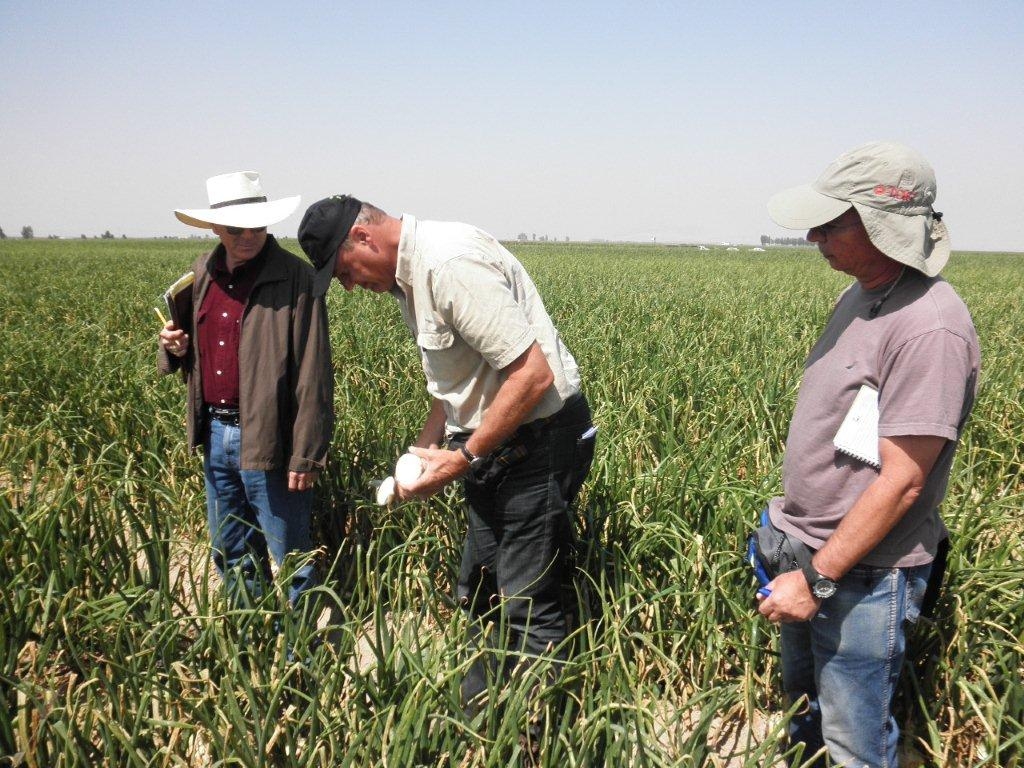
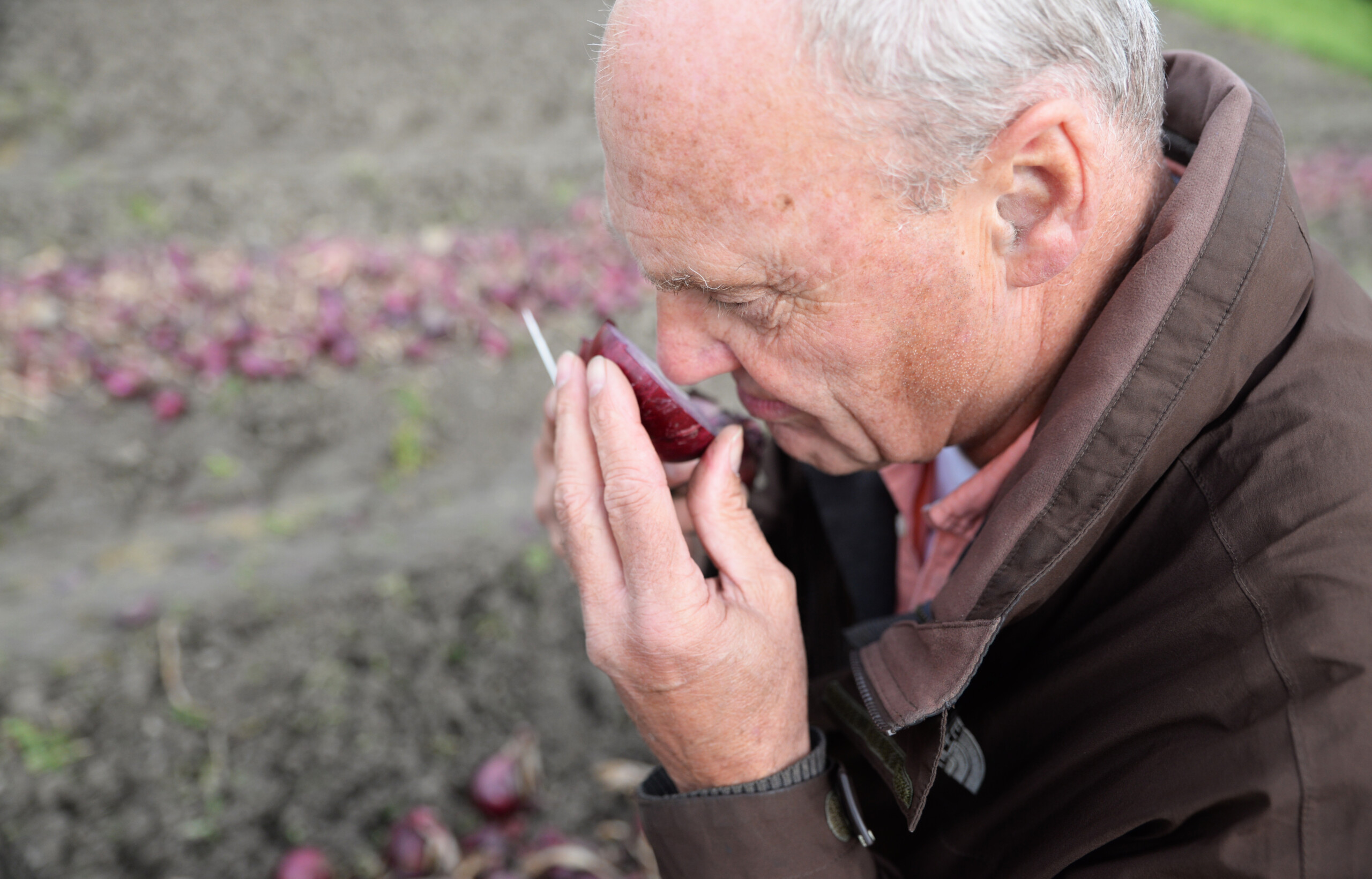
More News

Sustainable solutions: the golden guidelines for Hazera

Saturday, April 22 was World Earth Day. A day dedicated to environmental protection and thinking about sustainable solutions to reduce our carbon footprint. The United Nations Sustainable Development Goals are the golden guidelines for Hazera to adhere to when offering sustainable solutions. “We are well aligned with the vision of United Nations to offer sustainable solutions, the ‘Farm to fork’ initiative and the reduction of potentially hazardous products,” according Tyrrel Chisenga, Global Crop Projects and Process Lead. “Because for us it’s always Earth day.”


“We prioritize the use of sustainable inputs for the development and delivery of high performing plant varieties. With crop performance being under pressure due to climate change and regulatory evolutions, we are investing in creating value for growers for improved crop resilience. Hazera focuses on the sustainable use of plant protection products and is an active member of trade associations that provide knowledge and recommendations for legislation such as Euroseeds (European), Plantum (Netherlands), UFS (France), BDP (Germany), and International Seed Health Initiative (ISHI) just to mention a few.”

Research
The teams at Hazera do not reach their goals alone. They often engage various universities and research institutes to help. Tyrrel: “Take for example the Academic and Consultancy Training (ACT) projects from Wageningen University (WUR). These allow us to get input on how to approach and manage the change in the regulations around the use of plant protection products without compromising on quality and compliance. The result of these projects was a well summarized approach by the students of the Wageningen Academic Consultancy Training group. To be compliant enables us to retain our freedom to operate.”

Hazera is also one of the pioneer companies to take part in the WUR MSc programmes ‘Sustainable Business and Innovation’. It is through such an active participation in academia and business operations  that Hazera Seeds aspires to excel in sustainable solutions.

Collaborative research through Plantum
Hazera has close connections with other companies united in Plantum. “We use this to learn from each other”, says Tyrrel. “We are not hesitant to invite others into our facilities and see how we approach safety and invest in to excel in our activities. Always improving the foundations and innovations of our facilities will keep Hazera in the global top for years to come.”

Want to know more?

Do you want to know more about our sustainable solutions? Follow us on our social media channels to stay connected with Hazera. If you have any questions left, don’t hesitate to ask them via our contact page!

More News

Continuous improvement keeps Hazera Seeds in the global top

Hazera is committed to developing high-quality seeds that allow communities to flourish. To do that, Hazera focuses on continually improving its operational excellence in research, production, processing and quality for both customers and employees. “We deliver the best to our customers, and we want to keep it that way”, says Tyrrel Chisenga, Seed technologist. “We put in a lot of effort, but there is always room for improvement.”


“We breed for new varieties, and multiply seeds for growers and farmers alike”, Tyrrel explains. “After production, we perform extensive quality control tests to confirm that our seeds meet the commercial quality standards. Based on the various tests that we execute, we initiate processing activities to ensure that we deliver quality. We also take care of physiological enhancement to ensure seedling vigour and establishment even under sub-optimal conditions. Our efforts are to make sure the seeds that our farmers sow and nurture into a crop, grow and eventually end up as delicious vegetables in supermarkets across the world.”

Quality control and Seed technology
Quality control and Seed technology are an indispensable component for Hazera when it comes to making sure we deliver the best quality. “Nature comes with its challenges and when we encounter challenges that may compromise the final product quality after production we initiate research into the causes and solutions”, says Tyrrel. “Such research may encompass  physiological, physical, health, genetic aspects of the seeds or efficiency of processes. Everything we do is to ensure optimum quality for our customers.”

On top of the game
Even though Hazera adheres to the commercial quality standards and guarantees quality, there is always room for improvement, Tyrrel finds. Hazera invests in continually improving seed quality. “These investments include machinery for seed enhancement, automation of processes and the use of imaging systems for better inline decision making. Additionally, there are improved protocols with reduced lead times. We introduced the Lean management system in our processing plants. We created a work environment that allows the smooth and fast flow of processes and at the same time reduces work load. This allows us to cater to the needs of our customers in a brief period.”

For Hazera, its employees are on the same pedestal as the customers. Tyrrel: “The most important thing for the welfare of our employees is to make sure that their work remains interesting and safe. That is why we made a new tomato pelleting formulation that is safer for our employees to apply. It also results in improved sowability and seedling performance.”

Want to know more?

Follow us on our social media channels to stay connected with Hazera and our continuous improvement! If you have any questions left, don’t hesitate to ask them via our contact page!

More News

Basic guidelines for soil preparation and onion sowing

Tillage  and sowing

Sowing onions is a precise job because the seeds are fine and should not be sown too deep. We recommend sowing 1.5 to 2.5 cm deep on a firm moist soil. Before sowing, you first have to till the soil, of course. On sand, this means ploughing, digging and in some cases non-turning tillage. In all cases, ensure a flat seedbed.  The following applies to each type of tillage: make sure the soil does not dry out too deeply. We are dealing with drying weather, which means the top layer of the ploughed soil can dry out too much. After ploughing or spading, the soil must be “closed”. This means that when ploughing the soil, the seedbed is prepared immediately, so only the top layer dries but the seedbed remains sufficiently moist. If you use a furrow packer, we recommend combining this with a “follower” (a cross roller, or a Cambridge roller ,etc.). This way, the soil is also “closed” and the moisture remains at the top. This also applies to the aforementioned  tillages. Till the soil shortly before sowing.

When you start sowing, check at what depth the soil is moist and adjust the sowing depth accordingly. When sowing, check regularly whether the seeds are well pressed into the moist soil. Repeat this several times.

Plant numbers

Depending on the bed width and the number of rows, the seed is distributed. Regardless of the sowing system, the most ideal plant number is between 80-90 pl./m2. Plant number generally means a good yield, especially when varieties are used that have a relatively high specific weight, which means they are already heavy in themselves. The number of plants per linear metre is shown on the right, depending on the width of the bed and the number of rows per bed.

Thousand grain weight

The thousand grain weight of onion seed is always stated on the bags and can vary quite a bit. The risk is that too much or too little seed is sown, which can cause an irregular crop position.

When the seed drill is adjusted to a thousand grain weight of 4.2 grams and a following variety has a thousand grain weight of, for example, 3.6 grams, this can cause double seeds on the sowing discs if the suction pressure of the seeder is not adjusted accordingly, and therefore an irregularity in the position of the crop. So check this carefully!

Mineral administration

What the plant needs in terms of minerals to achieve its kilos, but also to continue to meet the right quality requirements is very important. When which mineral is needed and at which growth stage the plant has the greatest need for the elements is crucial for the quality and final yield. Talk to your fertiliser supplier/business consultant and ask what would be wise for each type of soil and variety. For example, if you grow onions on light sandy soil, this requires a different strategy in terms of mineral application than if you have onions on clay soil of 40% silt.

More News

Hazera center-stage at MOP Arava Israel 2023 annual expo

Want to be the first to see the next generation of the Israeli tomato and be impressed by the new variety portfolio of Hazera? Join us for a unique opportunity and meet our team for a deeper understanding of the quality, performance and potential of Hazera’s new varieties.

The exhibition in the Arava is the perfect opportunity to get a glimpse of the future of the Israeli tomato with “Rubicon”/ “Doria” – a new Saladette tomato variety that is suitable for picking in a cluster. The tomato is delicious, firm, has a long shelf life and excellent preservation on the plant, as well as a bright red and attractive fruit.

Rubicon (“Doria”): from the grower to our plate. Photograph: Ofer Hajub

In addition to “Rubicon”, Hazera- a world pioneer in the seed industry, will launch the “Yellow Whitney” – the heart tomato that made Israelis fall in love and is now available in red and yellow. The Yellow Whitney is the first yellow Midi Plum tomato of its kind – it is extremely tasty, has impressive yellow fruit, is very firm and crunchy and has a strong plant and a high yield.
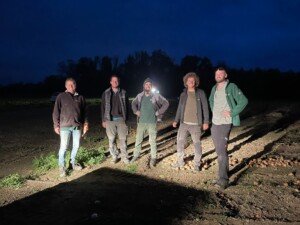
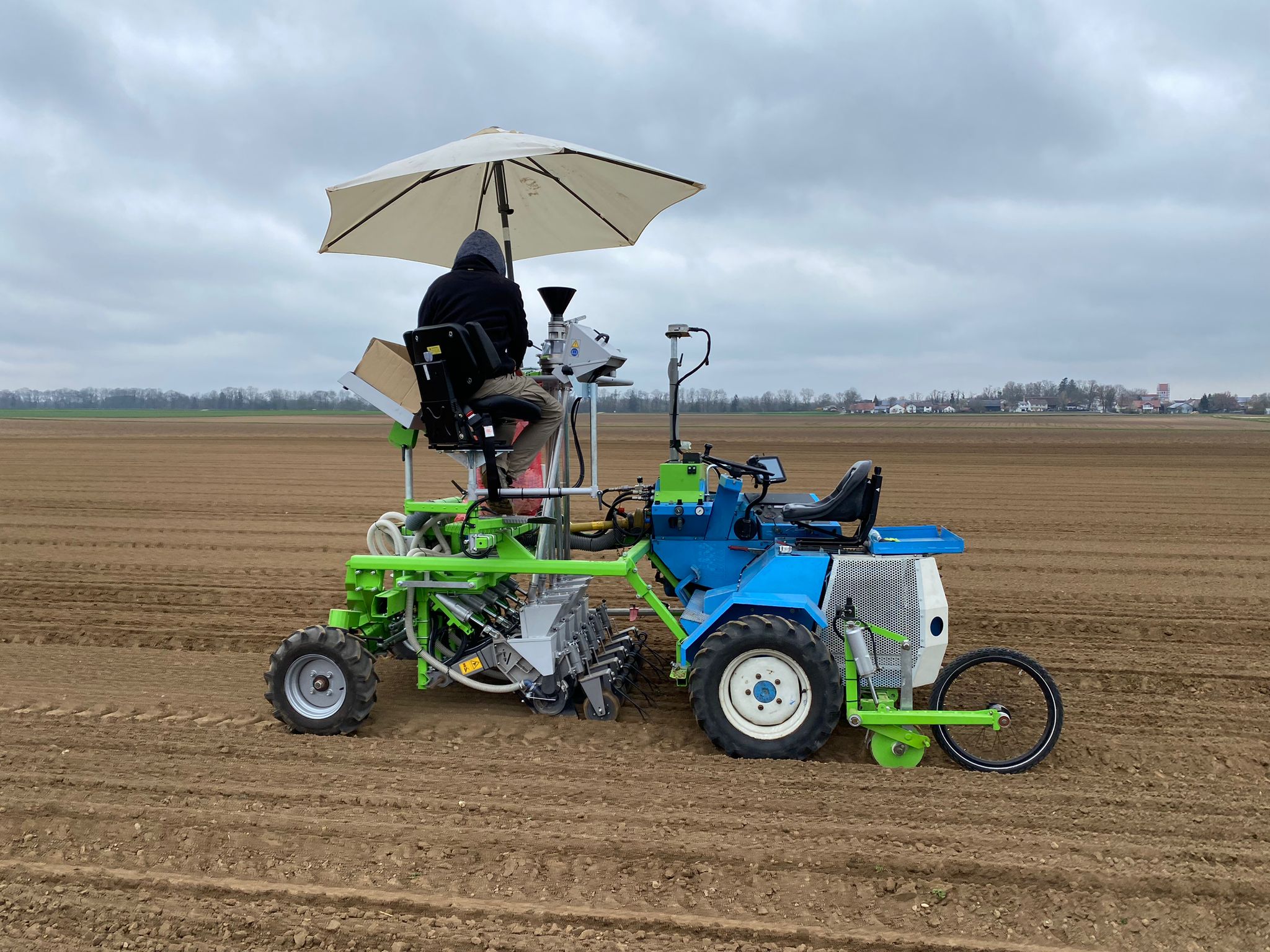


Yellow Whitney. Photograph: Ofer Hajub

Come see and taste! Still young at heart, the queen of flavor, The “Maggie” tomato, is ringing in its first decade with a party! Maggie is known as a high-quality Israeli tomato, with a juicy green gel, which gives it a fine taste and rich aroma. Maggie is grown throughout the year nationwide in Israel among selected farmers only and packaged in a closed and marked package – and now with a new branding in honor of its 10-year celebration.


Maggie “the Taste” Tomato. Photograph: Ofer Hajub

At the exhibition, Hazera will launch new varieties of radishes: “Whitella” in white and “Purpella” in purple: round radishes for growing in open and closed areas, with impressive and strong colors, suitable for growing all year round with a high yield and excellent internal quality.


New radish varieties. Photograph: Hazera

Come and get an impression of a red, curly romaine lettuce: “Purple Heart“. Beyond the nutritional benefits of romaine lettuce, which is 5 times richer in vitamins than other types of lettuce, the variety “Purple Heart” is characterized as crunchy and extremely tasty and has a bright red color that penetrates deep into the leaf.


“Purple Heart”. Photograph: Hazera

Come and meet the team of Hazera at the Araba expo taking place on February 15 and 16 in Ein Hatzeva, Israel and join “Rubicon” /”Doria” on her fresh produce journey from the field, to the retailers, and straight to her kitchen!

More News

Hazera launches ToBRFV resistant varieties in Mexico

Hazera launches ToBRFV resistant varieties in Mexico

After having announced the pipeline of its ToBRFV resistant varieties, Hazera is proud to launch its first resistant varieties for the Mexican market and showcase them at the most important event for agriculture in Latin America- EXPO AgroAlimentaria Guanajuato® 2022 in Mexico.


ToBRFV launch

ToBRFV is very noticeable in Mexico and growers have been faced with diminished yields and battered fruit. ToBRFV is a huge problem for tomato production, affecting the yield and fruit quality with coloring issues and brown spots on fruits impacting directly on the marketable yield.

Since ToBRFV hit tomato growers worldwide, Hazera’s R&D team has been working tirelessly, for several years, to find varieties capable of giving an effective level of ToBRFV resistance without compromising the yield and fruit quality. “These efforts included in-depth trials in many locations, under different conditions in a global scale, to confirm that we are able to provide solutions, with the right balance between performance and ToBRFV protection”, according to Alejandro Szechtman, Hazera’s Portfolio Marketing Director.

With the optimal balance between protection and performance, Canelo, one of Hazera’s tomato varieties with resistance to ToBRFV, is an indeterminate Roma type with a vigorous plant, which maintains a balanced yield under adverse environmental conditions, due to its wide array of resistances. “Through vast trialing of Canelo in most regions of Mexico, including San Luis Potosi, Baja California, Michoacan, Sinaloa, and Coahuila, Canelo provides high yield, excellent fruit quality, good maturation with an intense red color, as well as excellent firmness, maintaining L and XL sizes with average weights of 150 to 160 grams throughout the production cycle”, according to Javier Angulo- Product Development Manager, Mexico.


“Canelo”

Canelo is a very productive variety, ideal for growing in a net house or greenhouse. Additionally, with its ToBRFV resistance, Canelo is able to serve the Mexican grower as an effective tool to face the highly infectious virus, which is supported by local growers, who claim that “Canelo is a very strong and healthy plant with outstanding high fruit quality.”

Looking forward, “Hazera is continuing its efforts to provide effective varieties to better cope with ToBRFV on a global scale and, in Mexico, will launch several new varieties, including the up and coming, new Indeterminate Grape Tomato, ‘Pendragon’, a variety that combines ToBRFV IR resistance with high yield, long shelf life, and good taste, following our commitment to provide growers varieties with the optimal balance between protection and performance,” says Alejandro Szechtman.


ToBRFV range / “Pendragon”

More News

Development of Fusarium-Resistant Lettuce Varieties

Dr. Yaniv Rotem – Solanaceae Pathologist, Hazera Co.

 General Background

The fusarium disease in lettuce is a deadly wilt and collapse disease that is caused by the fungus Fusarium oxysporum f. sp. lactucae.

The disease was first discovered in Japan in 1955 and has since spread to other countries around the world. Today, there are three known races of the fungus – races 1, 2 and 3.

Starting in 2008, we began encountering the phenomena of wilting and collapse in Israel, in the Besor region and other growing areas. The first identification of fusarium as a cause of wilting and collapse was made in 2009 in Hazera’s phytopathology laboratory, when the fungus F. oxysporum f. sp. lactucae was clearly identified through isolation from infected plants and through the performance of the Koch test. As part of the initial phase of our research work, it was also clearly defined that the fungus found in Israel is of Race 1.

Fusarium disease is particularly severe in summer, but over the years the intensity of the disease has increased in Israel and more and more affected fields are being seen, even in winter.

Symptoms of the Disease

Overall, the symptoms of the disease are similar to wilt diseases caused by fusarium in many other crops:

  • The first symptom of the onset of the disease is the appearance of yellowing in the leaves.
  • At a slightly later stage, we observe a loss of turgor of the plant, necrosis in the leaves, and finally, collapse of the entire plant.
  • When the root and stem of a lettuce plant affected by fusarium are cut, we see a characteristic red-brown color (internal browning).

Images 1, 2: Yellowing of leaves and collapse of lettuce plants in an infected field in the Besor region.

Image 3: Typical internal browning of the lettuce plant stem when damaged by fusarium.

Image 4: Performing the Koch test in the laboratory: On the left – lettuce seedlings infected with fusarium isolate that was isolated from an infected plant brought from the field, in which symptoms and collapse similar to those observed in the field can be seen. On the right – lettuce seedlings infected for comparison purposes with melon fusarium isolate (F. oxysporum f. sp. melonis), in which no damage is visible.

How Is the Disease Transmitted?

  • The disease is caused by a fungus that survives in the soil, mainly in the form of resting spores (chlamydospores) with thick walls that can survive in the soil for many years. When lettuce plants are planted in soil containing these chlamydospores – the mycelium regenerates from them, penetrates the roots of the developing plant, and enters the vascular system in the roots and stem.
  • During the season, the fungus is able to move underground from an infected plant to a healthy neighboring plant by moving between roots that are touching each other.
  • The fungus is able to spread in the field via water moving through the soil as well as on the equipment used to work the soil. Vehicles and agricultural equipment that are moved from field to field – enable the disease to be spread from an infected field to distant healthy fields.

Development of Fusarium-Resistant Lettuce Varieties

  • In the first stage – a number of preliminary experiments were conducted in which the exact method for infecting lettuce seedlings with fusarium was determined in a way that ensures the correct distinction between plants that are susceptible and plants that are resistant to the disease. The method developed enables laboratory testing of a large number of lettuce lines, identification of the resistant lines, and selection of the most resistant plants in order to progress to the next generation.
  • After that, hundreds of lettuce lines were screened in the laboratory in a series of experiments, and the most resistant lines among them were identified.
  • Concurrently with the laboratory work, experiments were conducted in an infected area in the Besor region. Comparison between the results of the laboratory experiments and of the field experiments showed a high correlation between the two methods.
  • In 2013 Hazera launched the first leaf lettuce variety that combines fusarium resistance with good quality – Asaf.
  • In the years that followed, Hazera developed additional resistant varieties: Raviv – a summer romaine, Ishtar – our senior winter romaine, Dikla – a romaine with hearts that are convenient for packing, Lior – a romaine with a large number of inner leaves, and also, Solo Mio – our crunchy iceberg lettuce.

For more information about Hazera’s lettuce varieties, click here.

Image 5: A resistant variety in comparison with a sensitive variety, in the cultivation area in the Besor region.

Image 6: Asaf – a fusarium-resistant variety by Hazera, in an infected area in the Besor region

More News

Press Release: IR ToBRFV varieties in pipeline

Press release
August 2022

Hazera announces varieties with intermediate resistance (IR) to Tomato Brown Rugose Fruit Virus (ToBRFV) in pipeline

Hazera is proud to announce the launch of our ToBRFV intermediate resistant varieties- the optimal balance between protection and performance– providing the grower an effective tool to face the highly infectious virus, infecting tomato plants, fruit and affecting growers worldwide. The Tomato Brown Rugose Fruit Virus poses a constant threat to growers worldwide, significantly reducing yields, affecting the quality of fruit, and systematically infecting other plants, as it is a very transmittable virus that can infect through soil, tools, water, and people’s contact.

Since ToBRFV hit, Hazera’s R&D team has been working tirelessly to find varieties capable of giving an effective level of ToBRFV resistance without compromising the yield and fruit quality we’ve invested years to perfect. Over the course of several years, Hazera researchers and agronomists invested endless resources to find solutions to address our growers’ needs worldwide. Moreover, according to Alejandro Szechtman, Hazera’s Portfolio Marketing Director, “These efforts included in-depth trials in many locations, under different conditions in a global scale, to confirm that we are able to provide the optimal solutions, with the right balance between performance and ToBRFV protection”.

Hazera is proud to announce a wide ToBRFV resistant variety pipeline worldwide, with which we will be able to tailor-make the optimal solution per market requirement, beginning with Italy, Greece, Spain, Mexico, Turkey, Israel etc’.

Hazera, through Limagrain’s upstream research, contributed to a network of internal and external collaborative discovery projects on ToBRFV using different approaches. This resulted in Limagrain being the first company to file a patent on ToBRFV resistance in tomato in 2017. While the first generation of tomato hybrids resistant to ToBRFV is being commercialized, Limagrain discovery programs continue to work intensively to find resistances against potential emergent more aggressive forms of this devastating virus.

“Our R&D efforts haven’t ended, we’re still investing to achieve higher resistance, and expand our portfolio to the benefit of growers worldwide,” said Szechtman.

Hazera is a global leader in the seed industry. Hazera has headquarters in both the Netherlands and Israel. We operate subsidiaries in 11 countries, together with a distribution network serving over 130 markets. Our partners operate in all kinds of climates, and under diverse growing conditions and market requirements. For over a century, our top priority has been walking alongside them, developing an enormous variety of seeds and providing comprehensive support every step of the way. Hazera’s team of experts works directly with growers to evaluate their needs, assist during variety selection and provide guidance and support throughout the crop cycle.

Hazera is part of the Limagrain Group, an international agri-business based in France. Being a farmers’ cooperative, the Limagrain Group understands the needs of its customers and has grown to become the largest seed company in Europe, specialising in vegetables, field crops and cereal products. Limagrain’s vegetable seed division is the second largest company in the industry.

More News

ToBRFV in Tomato Plants

by Dr. Yaniv Rotem – Solanaceae Pathologist, Hazera


General background

The Tomato Brown Rugose Fruit Virus – ToBRFV – is a relatively new viral disease, first appearing in the Middle East in 2014. The disease has since spread rapidly to many other areas in the world, and currently constitutes a major global problem in tomato crop production worldwide.

In Israel, all tomato production areas have been severely affected by ToBRFV, and the effects of the disease are evident both in the tomato greenhouses and fields, and in the quality and appearance of the fruits which are sold.


Symptoms of the disease

As a rule, the symptoms of the disease are similar to the typical symptoms of ToMV, but the severity of the symptoms can differ from that known with ToMV:

  • In the leaves – a mosaic appears, which is particularly noticeable on young leaves and at the growth vertices. In some cases, there is narrowing of the leaflet blade, and in certain cases the leaves become entirely threadlike (“shoestrings”).
  • In the fruit – yellow spots develop which become necrotic at a later stage. In some cases, “chocolate spots” appear on the fruit. In cases of severe damage, the fruit becomes wrinkled and distorted. The virus name (“Brown Rugose Fruit”) was given due to the wrinkled appearance together with the brown spots.
  • Note that in contrast to the characteristic situation when affected by ToMV, in which symptoms generally appear in the fruit only in cases of particularly severe damage to the foliage, in the case of ToBRFV – there is no connection between the severity of damage to the fruit and severity of damage to the foliage: there are situations in which serious damage to the fruit is observed while no symptoms appear on the leaves, or vice versa – cases of severe symptoms in the foliage and lack of symptoms in the fruit.
  • In certain cases – necrosis develops of the calyx of the fruit, the fruit peduncle, and the central spine of the cluster of fruit.
  • When a susceptible variety is infected with ToBRFV, the main damage is a significant weakening of the plant and its capability to produce clusters of fruits over a long season.

In the wake of the viral infection, tomato cultivation in Israel has changed entirely: due to the weakening of the plants, growers currently have almost no possibility to grow tomatoes in a long central season of 9-10 months as was customary before the virus’s appearance; instead, shorter growing seasons of 4-5 months are now customary, intended for harvesting a few clusters only.


Symptoms on leaves – severe mosaic and narrowing of some of the leaf lobes, to the point of appearing “thready”


Severe symptoms in the fruits

Symptoms of necrosis in the calyx, fruit peduncle and the spine of the cluster

Weakening of the plant as a result of viral infection in a susceptible variety (on right) compared to a variety that is largely similar to it but is resistant to the virus (on left).


How is the disease transmitted?

  • ToBRFV is very easily transmitted mechanically – by human contact, by work tools, support wires, or any entity that comes in physical contact with an infected plant or soil that contains the virus and later comes in contact with healthy plants. It is important to remember that particles of this virus are particularly resistant to environmental conditions, and are capable of surviving for long periods in soil or on infected surfaces.
  • Since the virus is capable of surviving in soil for a long period – the virus is also transferred with infected soil that is moved from one place to another (by sticking to shoes, to work tools that are moved from one plot to another, etc.).
  • The virus is transmitted in seeds – a seed produced from an infected plant is likely to carry virus particles on its surface.
  • The virus can also be transmitted by bumble bees, which serve to pollinate during the cultivation process.


Prevention and treatment

  • Since the outbreak of the disease, Hazera together with Limagrain Group have been working on a comprehensive study of the issue, in which tomato varieties with intermediate levels of resistance to the virus were developed. The first patent in the world for resistance to ToBRFV was registered by Limagrain in 2017. Using these varieties provides an optimal solution for growing tomatoes in conditions of infections with ToBRFV, while maintaining the varieties performance.
  • Observing phytosanitary rules is key to preventing the disease:
    • Making sure to have clean clothes, jackets and gloves for those entering the greenhouses.
    • Making sure to sterilize all equipment used.
    • Sterilizing shoes in an immersion pit upon entrance to the greenhouse.
    • Being strict about the order in which buildings are entered – the workday begins with the buildings housing the young, healthy plants and continues to the buildings housing the more mature plants.
  • Plants in which infection is discovered should be immediately removed from the greenhouse, being careful to avoid contact with neighboring plants.
  • Using healthy seeds and seedlings is another key to preventing the disease. Hazera is strict about performing health tests in licensed laboratories, according to international standards and the Plant Protection Services. Checking that seeds are free of ToBRFV is done by the ISHI Protocol, which is the international protocol accepted throughout the world.
  • Being strict about good sanitization – sterilizing the soil or growth medium and the greenhouse space when cultivation is completed.


More News

New Deputy CEO of Hazera: “It is like a Marathon run, and we want to finish first!”

Since May 19th   2022, Ofer Peleg is the new Deputy CEO of Hazera. He will lead sales, supply chain, production and IT. “We have great ‘DNA’ in Hazera, but also opportunities and potential to become a well-integrated company and realize solid and robust processes.”
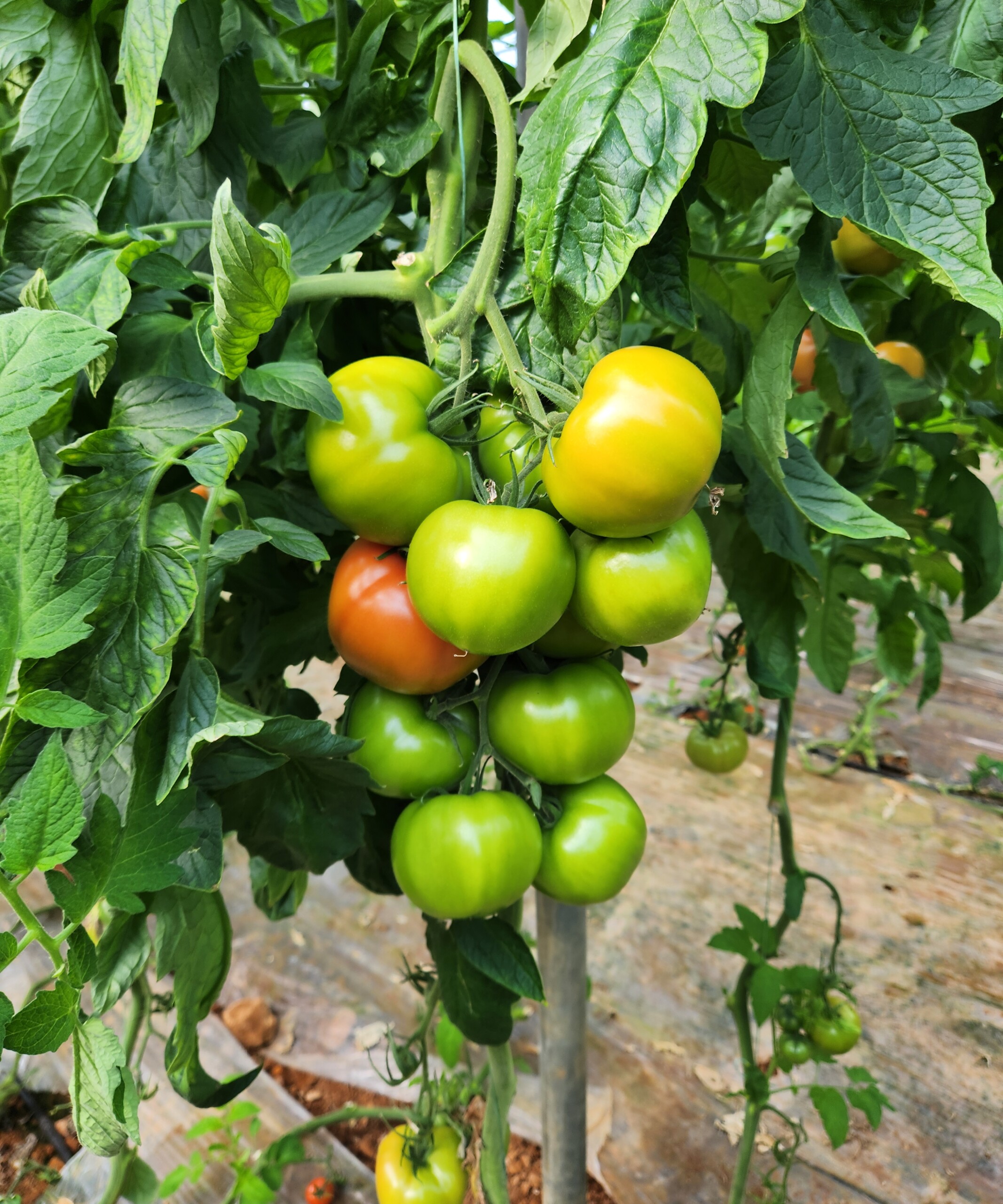
Ofer, fifty years old, lives near Tel Aviv, together with his wife and three children, aged 21, 18 and 13. He is used to work for several leading  companies in multicultural and dynamic environments. “I started as an industrial engineer in the pharma industry, and stayed there for about twenty years. At Teva pharmaceuticals, the Israeli global generic leader, I served in various positions in both R&D and Operations, where my last role was to manage three large facilities in Europe, for that role I moved with my family to Amsterdam for two years. After that I became vice-president of the Global supply chain at Sun pharmaceuticals , a global Indian pharma company. In the last four years I was the vice-president of the Global supply chain at Netafim, a global leader in precision irrigation. “At Netafim I focused on the same customers and ambition as Hazera; helping farmers to get the best out of their crops for both quantity and quality.”


Go the extra mile
“I got a very warm welcome, both at Hazera and Limagrain, there is a strong sense of partnership. The people I have met enjoy their profession and are very enthusiastic, willing to go above and beyond  to serve our customers. They know that by doing so, they are making the world a better place. Shortly after I started at Hazera, I was lucky to meet many of my colleagues at the annual Limagrain conference in Prague.


Marathon run

“I just started my learning, there is a huge knowhow and great professionalism here” says Ofer. But our competitors are not waiting for us, and we have to be agile, flexible and focus on quality. We can’t stop, not even for a minute; we are running a marathon and we want to finish first. There is also an opportunity for becoming a well-integrated company and realizing solid and robust processes.”

Way of working
“We produce seeds all over the world; How can we do this as efficient as possible? What is our optimal footprint?, How to optimize our inventory?  How can we  leverage our capabilities?  In my former positions I have helped answering similar kinds of questions. I’m looking forward to share my experience and contribute to Hazera.”

More News

Tomato SHANTY F1 – Côte d’Ivoire

Well done! goes to our friends at “Senin Group”, our representors at Ivory Coast, for the work done with local growers and successful results with Tomato SHANTY F1. This hybrid produce big size, high quality firm fruits, supported by good plant frame. For more Hazera products, please contact the team. See you at the fields!

(more…)

More News

Demo Day – Red Onion SHANI F1

A sunny day welcomed all the visitors at the Demo-Day for our new Red Onion SHANI F1, which conducted last week at Dan’s Farm, Nyeri.

(more…)

More News

SHANTY IMPROVED F1

Successful training at Demo-day for local growers of Tomato SHANTY IMPROVED F1, was conducted by Amiran last week at Narok. This well-known variety is adapted to tough growing conditions, have strong plant frame and BIG size fruits, which bring high yield potential. Additional advantages are TYLCV, TSWV and Pst resistances. For SHANTY IMPROVED F1 and other Hazera products, please contact our distributor Amiran Kenya. See you at the fields!

(more…)

More News

Shanty Improved F1

For the oncoming season, look for our Tomato SHANTY IMPROVED F1 variety. It’s adapted to tough growing conditions, have strong plant, BIG size fruits and very high yield! Additional advantages are TYLCV, TSWV and Bacterial Spot resistances (Pst)

(more…)

More News

Cabbage CHAKA F1

Cabbage CHAKA F1 is a real rising star in our portfolio! With great performances, this variety produce well-covered, round and well filled heads. It has high yield due it’s big heavy heads and excellent internal quality. Added values of the CHAKA F1 are resistances to Black Rot, Downey Mildew and Fusarium. It is easy to grow and has impressive field holding. Check the CHAKA F1 at GAL Seeds, our distributor in Kenya.

(more…)

More News

A Big Thanks to Our Onion and Tomato Growers!

A big thanks goes to all the Onion and Tomato growers who shared with us their positive experience and feedbacks on our products. Onion Varieties QUARTZ F1, GUADALUPE F1, RED KING F1 and tomato SHANTY IMPROVED F1 are at its peaks! Well done, great work! For more details, please contact Terragrisen Senegal. See you at the fields.

(more…)

More News

Tomato BRIDGET

It was a tough hot season at Nigeria, but our Tomato BRIDGET really met the challenge!
Planted at February-March and picked at end of May, with good yields for the benefits of growers.

(more…)

More News

Zimbabwe Open Day

Last week our colleagues at Seed Co. Zimbabwe preformed an impressing Open day, where presented also our Onion DINA F1. Check out this early ripening, high uniformity and high yielder variety. DINA F1 has good skin cover and suitable for storage. See you at the field!

(more…)

More News

Quartz Onion in Senegal

We are proud and impressed to present you the first harvest of our onion variety QUARTZ F1 in Senegal!

(more…)

More News

Onion Sivan F1 in Ethiopia


Thanks to our dedicated Ethiopian growers! This is, of course, Onion SIVAN F1 which you can get from our distributor GREENLIFE.

(more…)

More News

Cabbage LANDINI F1

When it comes to basic, Cabbage LANDINI F1 is a stable variety you can count on. Big-size, round shaped green heads and good internal density are just some of its advantages. This variety have High yielding potential with good standing ability, which provides the grower flexibility at picking. Cabbage LANDINI F1 is also available at Ethiopia – check it with our distributor GREENLIFE.

(more…)

More News

Onion RUSSET F1

Onion RUSSET F1 is clearly one of the leaders in our Africa’s Onion portfolio. Those great pics of High Yield, great Quality and Uniform Harvest been sent to us from beautiful Tanzania. Please contact our distributor, Balton Tanzania, for more Hazera products, including Tomatoes GALILEA F1 and GALILEA IMPROVED F1.

(more…)

More News

Tomato GOLDART F1

We continuously breed and develop better varieties for our Customers and growers, and the new GOLDART F1 is a good example for a versatile, reliable, and advanced variety. The GOLDART F1 was tested, compared, and succeed in several markets across Africa.

(more…)

More News

Greetings for the Ethiopian New Year 2020

https://youtu.be/VmV1P4O9k28

More News

Congratulations to SPINYARD Inv.!

Congratulations to SPINYARD Inv., Hazera’s distributor in Zimbabwe for opening their new nursery in Bulawayo. Hoping to continue the good work, cooperation and introduction of quality hybrids into the market.
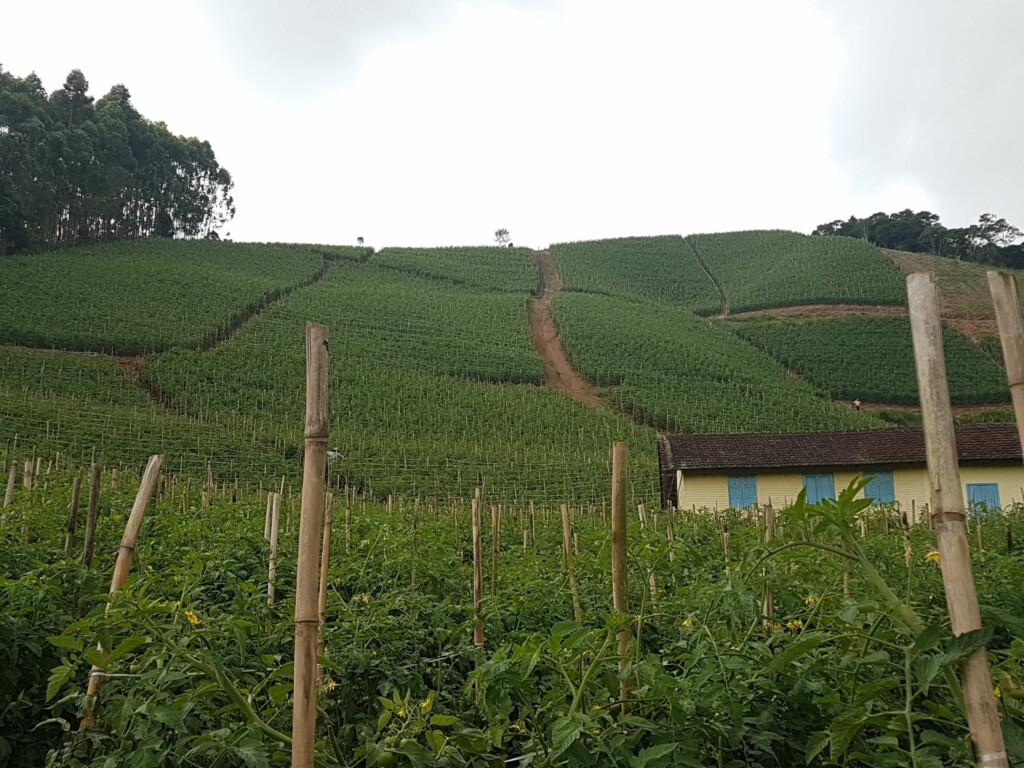
(more…)

More News

Tomato MADO F1 – Cameroon

Tomato MADO F1 at Cameroon  width= – successful variety with all the advantages a farmer need: High productivity, Earliness, Strong healthy plant and big-size Firm fruits. MADO F1 tomato seeds will be available in Cameroon very soon. Keep following for more information. (more…)

More News

Onion SIVAN
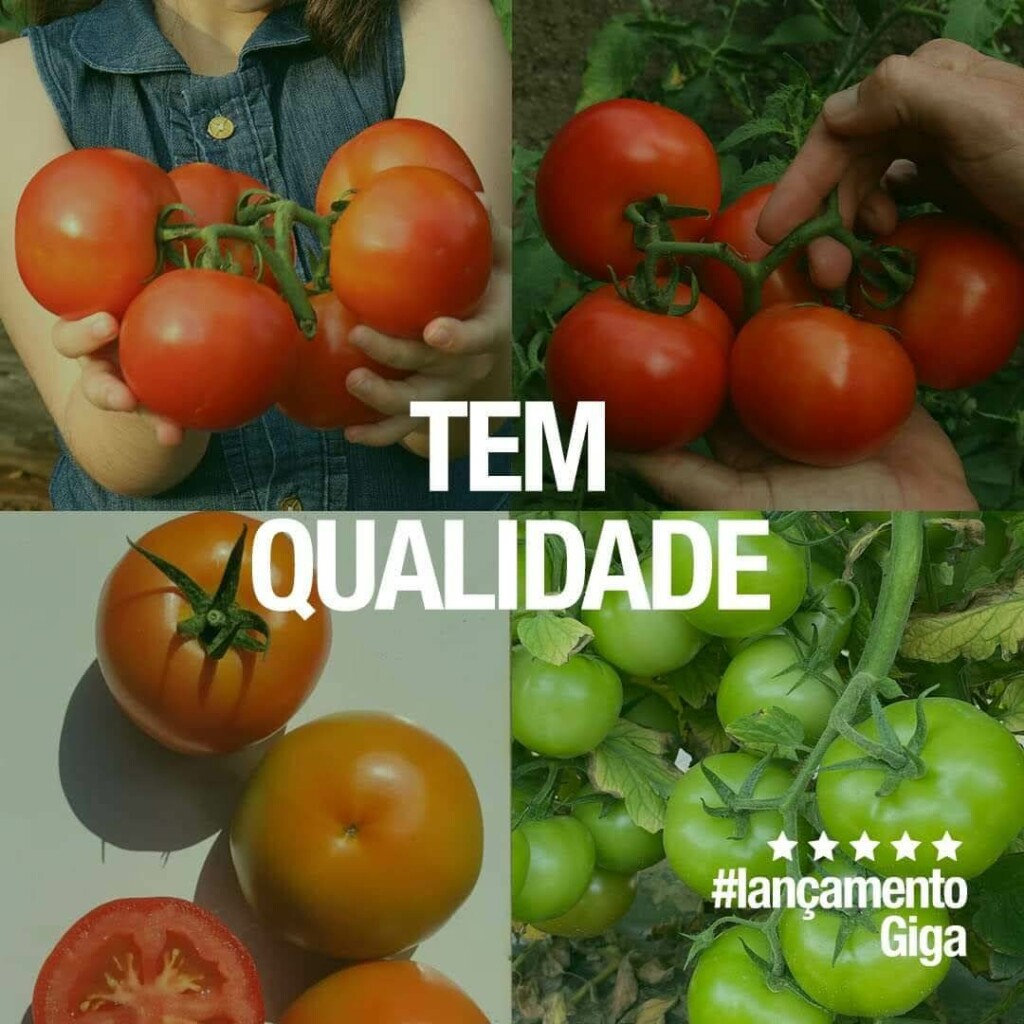
Onion SIVAN F1 at Ethiopia – Very high yield potential with good performances in favored of the growers. Early maturity, Round top shape with Pink-red skins and delicious taste. Suitable for storage as well.
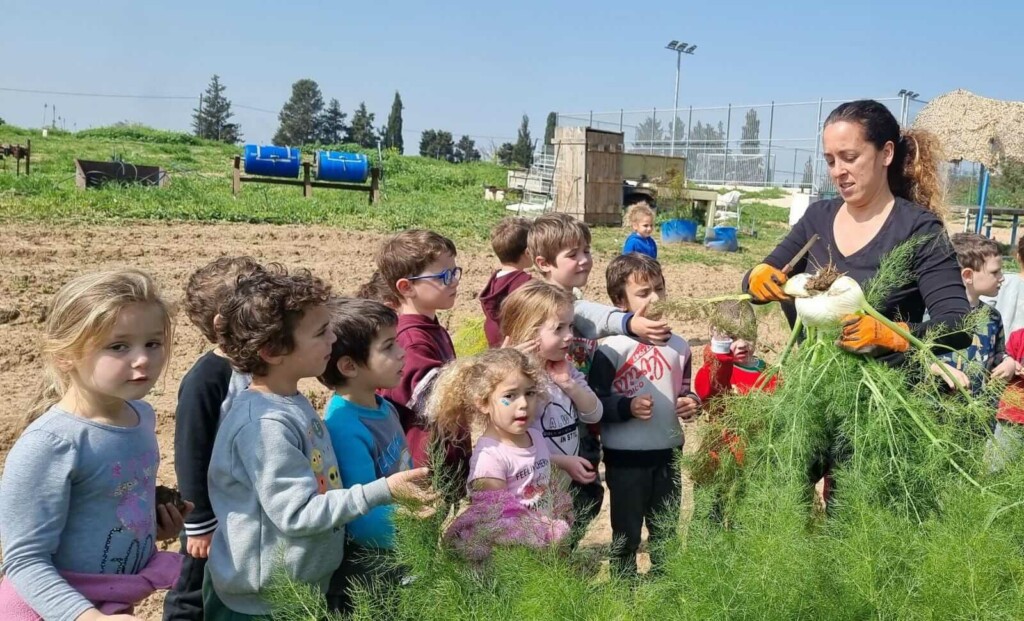
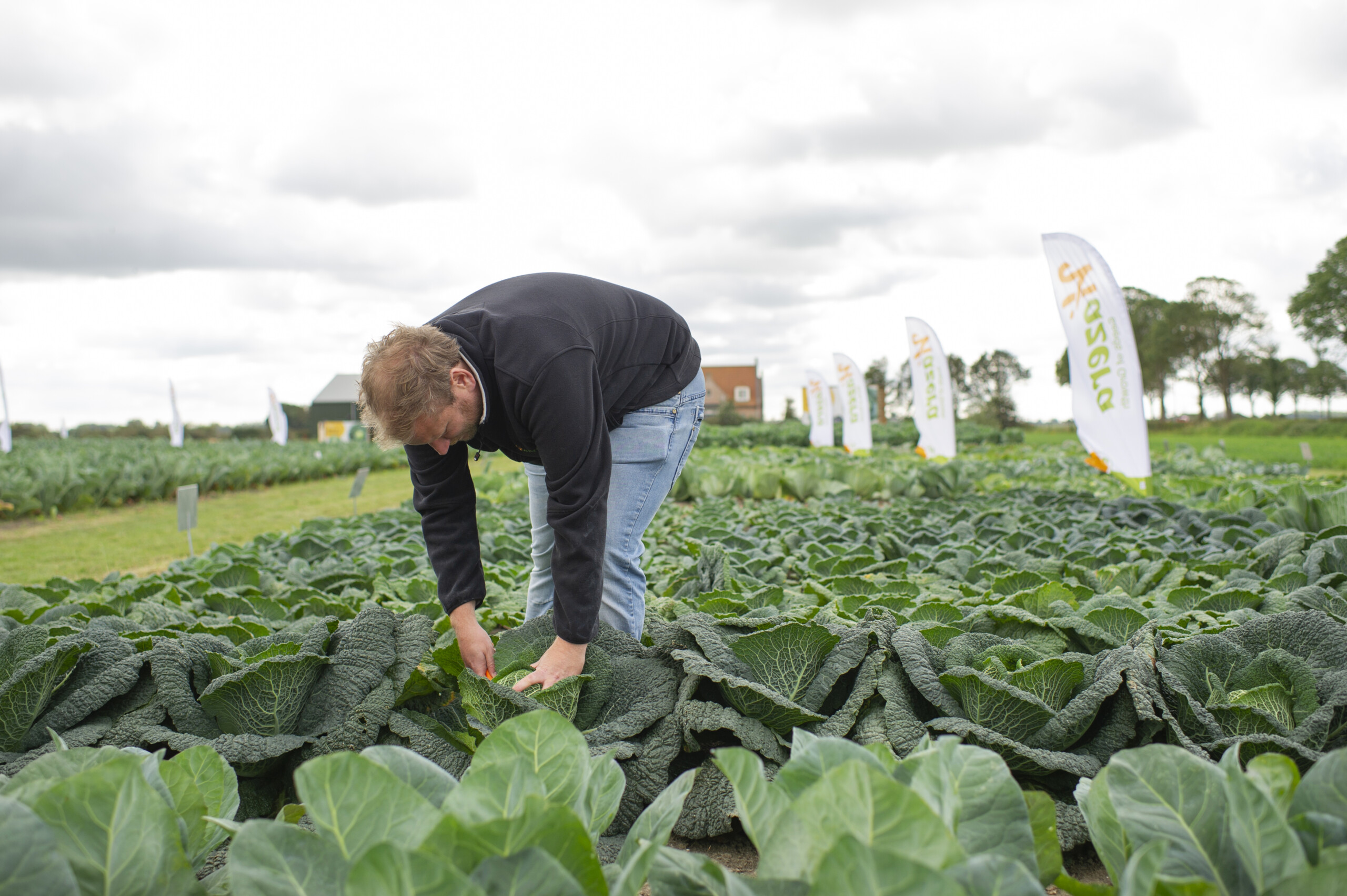
Thanks to Tefera from GREENLIFE team for sharing those pics.

(more…)

More News

Broccoli GREEN STAR F1

Outstanding field of Broccoli GREEN STAR F1 has been picked at Dire Dawa in Ethiopia, for another satisfied grower! Field was planted during mid-October and picked successfully early January.

(more…)

More News

Presenting Lettuce RAVIV

One of our leading Romaine-type variety. Highly productive and Multi-purpose. Resistance to Bolting, Tip-burn and Heat. For indoor and outdoor production. You can find it at Amiran, near Nairobi, Kenya. (more…)

More News

Broccoli GREENSTAR F1 fields

Great Yield and Quality! Located at Glen Forest site at Harare area. Thanks to Brian from Spinyard, our distributor at Zimbabwe for sharing those beautiful photos. (more…)

More News

Open Days at Roshanara, Ethiopia!

Last week Hazera and GREENLIFE conducted Open-Days at Roshanara farm, near Addis Ababa. More than 130 growers visited the event and impressed from our well-familiar SHANTY, GALILEA, RUSSET and LANDINI varieties, next to new exciting developments. Many thanks to the GREENLIFE team, our partners and Official Distributers in Ethiopia for this successful event. Well-done, See you all again next year! (more…)

More News

Amiran Nursery, Zambia

Tens of thousands of transplants of Tomato DOMINIQUE and Cabbage LANDINI are ready to supply, at Amiran nursery, near Lusaka, Zambia. (more…)

More News

NEPTUNE F1 in Kenya

Planted early April, and now it’s time to harvest: Onion NEPTUNE F1.

Attached Pictures from Mr. Musau farm of Salama, at Machakos area, Kenya.

(more…)

More News

Thank You!

Thank you growers for feeding the world with healthy foods. Thank you logistic operators for a timely delivery & thank you retailers for always keeping the supplies. You are taking the daily risk to keep our fridges and pantries stocked. We are proud of you, now more than ever!
(more…)

More News

Hazera Participates in the 2020 AFSTA Congress

This year the AFSTA Congress (African Seeds Trading Association) held in Livingstone, Zambia, from the 2nd to the 5th of March, and attended by hundreds of delegates from numerous countries (both from Africa and worldwide). Hazera was
proud to once again participated in this Congress, as an exhibitor and member of AFSTA, alongside leading seeds companies, both international and African.

Hazera’s lovely booth will showcase our products which are particularly suitable for the African market. Our team will be headed by Jawdat Badawieh – Hazera’s Africa Commercial Director as well as Joram Wambugu – Africa Sales & PD Manager. Our
presence at this important annual Congress is a key component of our strategy to continue Hazera’s development and growth in East Africa, and advance activities and operations in West Africa.

The Congress is also an excellent opportunity to learn more about the markets, their needs and new consumer trends, as well as a great opportunity to welcome many local African visitors, including companies, dealers and farmers and to reinforce our
relations with them, and network with the local growers, customers and NGOs.

More News

Onion in Africa – Agro Technical Support in 3 Episodes!

Hazera brings you the new: Onion in Africa Series

Agro technical support in 3 episodes!

Check out the 1st episode:

Onion transplanting – The best density for the finest bulbs

Enjoy!

(more…)

More News

Galilea 39 in Ethiopia

Galilea 39 in Ethiopia (Meki area) – Africa, is one of our best tomato varieties for this market, with resistance to PM (Powdery Mildew – Lt), we bring innovation to our growers:
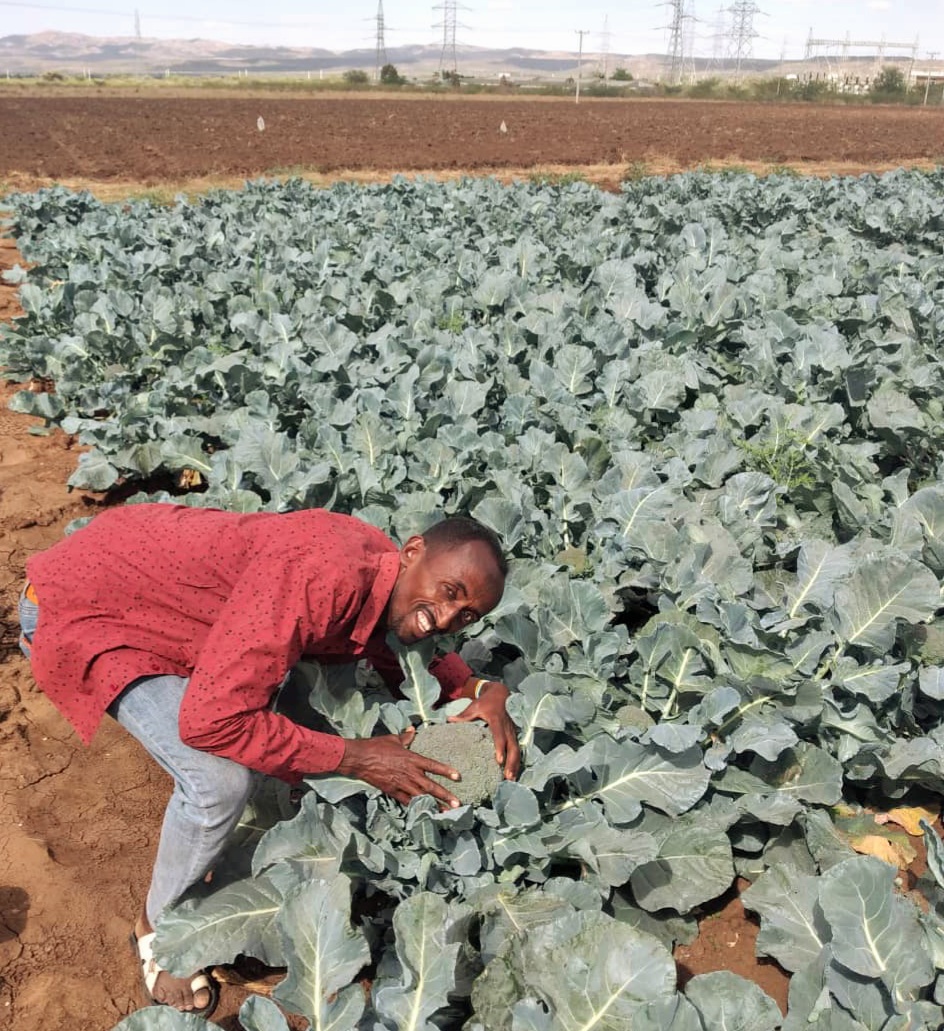
Less chemical spraying – Less expenses!

(more…)

More News

Great Success for Hazera at this Year’s AFSTA Congress 2019

This year the African Seed Trade Association (AFSTA) congress was held in Mombasa Kenya from March 4 to 7, where it was attended by hundreds of delegates from dozens of countries (both from Africa and worldwide). Hazera was proud to take part in the Congress, alongside leading international and African seeds companies, as an exhibitor and members of AFSTA.
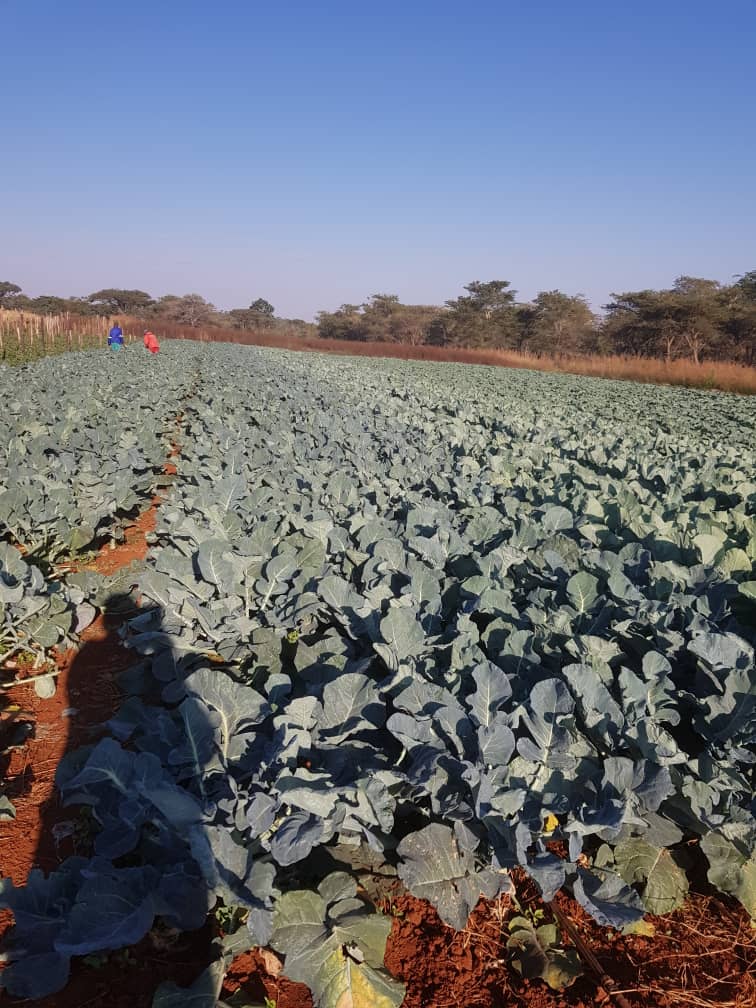
(more…)

More News

With the end of the year approaching it’s nice to look back, in this case – our fruitful Int. Open Days 2018!

More News

Open field days in Kenya

As part of Hazera’s ongoing commitment, we are continuing to share our knowledge throughout the world – and this time with growers in Kenya. We held two open field days in Kenya last week, in collaboration with Amiran K Ltd. One field day focused on Russet onions, while the other day highlighted Shanty Improved tomatoes.
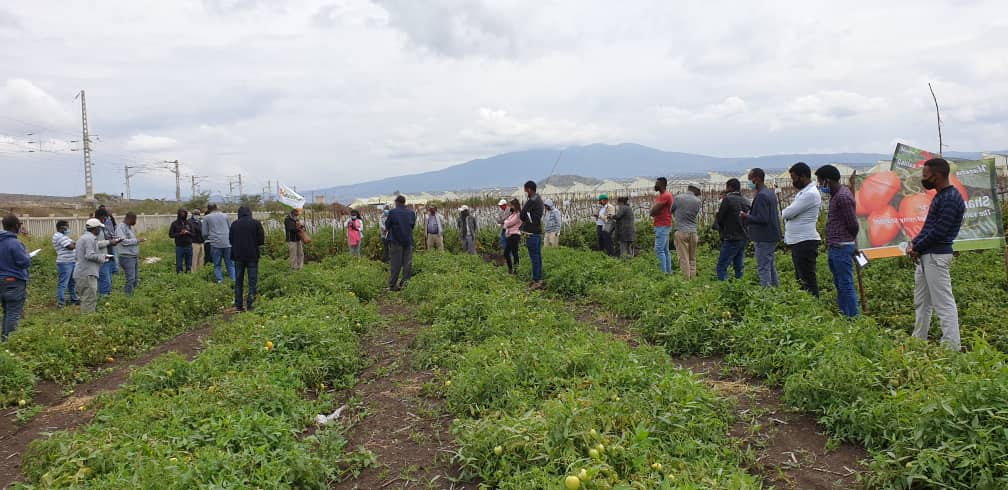
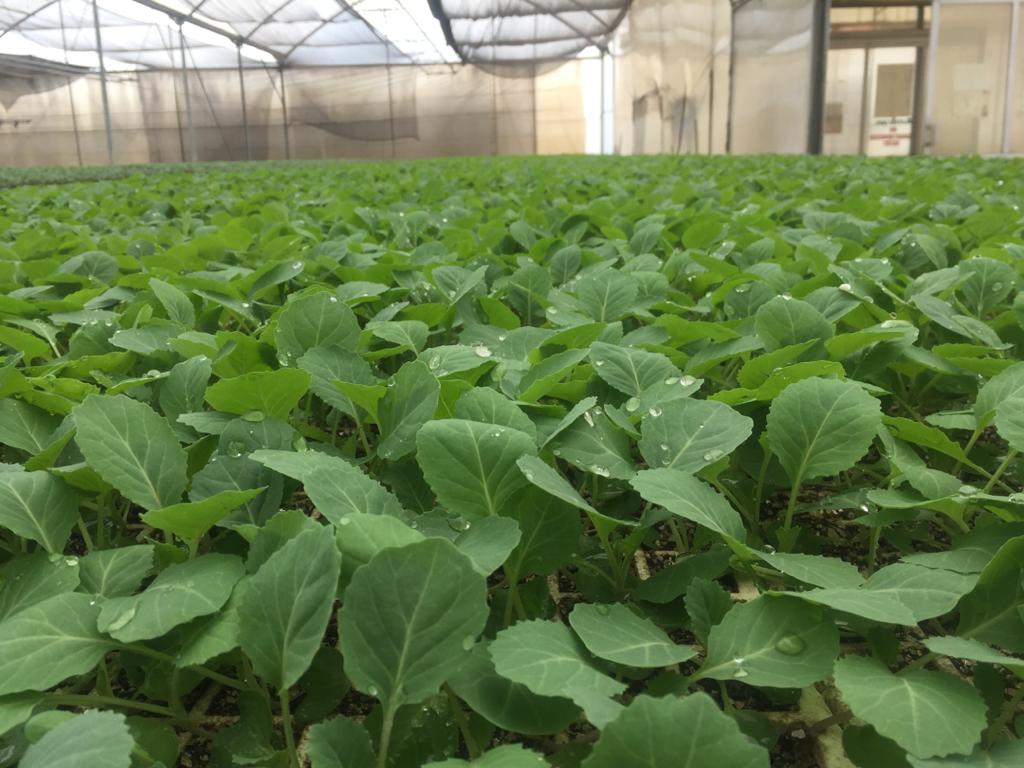
(more…)

More News

Hazera’s latest tomato innovations for its growers in Africa
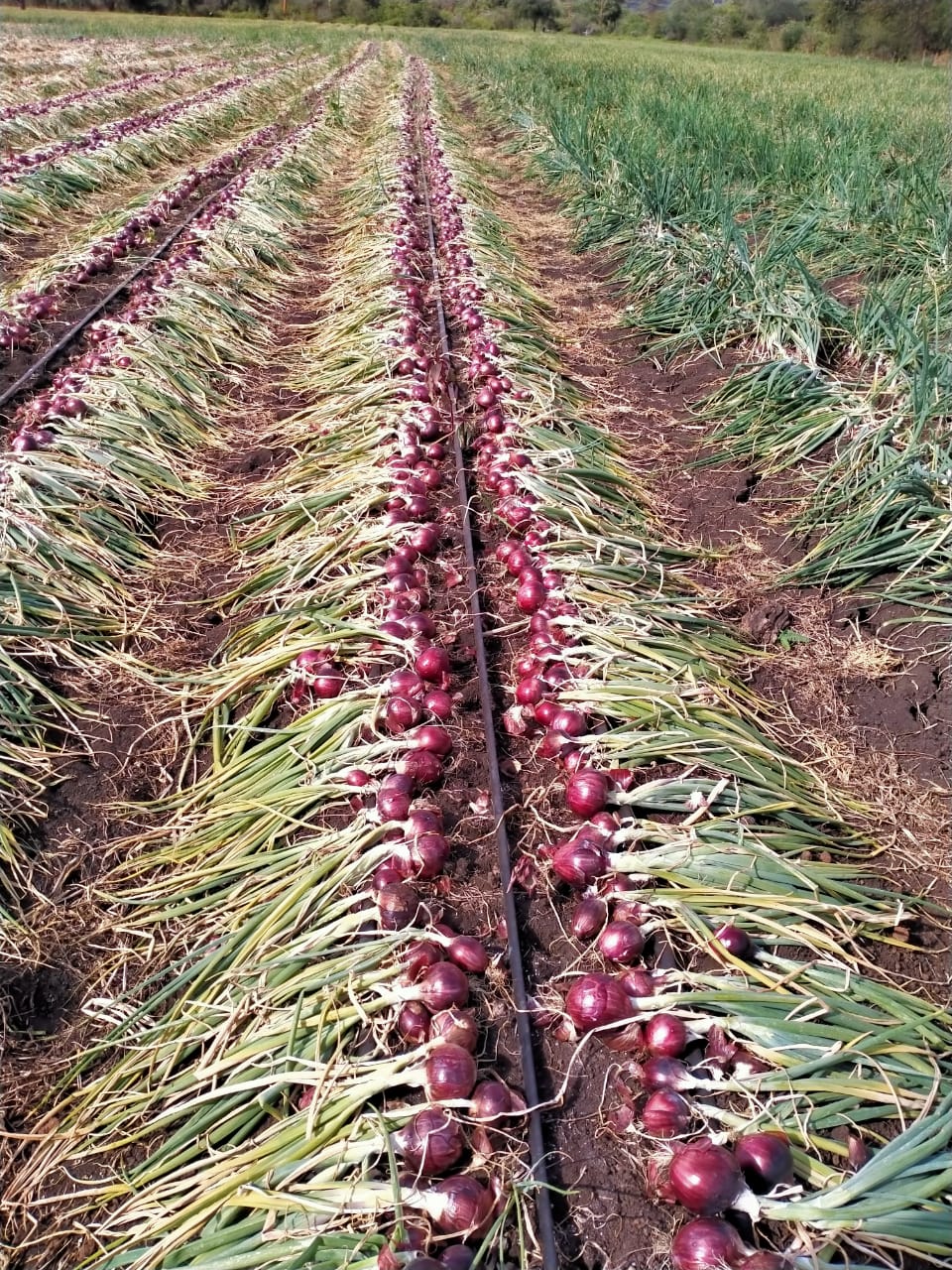
shanty 92- The variety for the hot rainy season!

(more…)

More News

Greenlife and Hazera together held the Annual Open Day at Koka – Ethiopia, from May 31 to Jun 2nd

The first two days were organized for international visitors who came all the way from Angola, Uganda, Tanzania, Zambia, Kenya, Rwanda and Israel (including the Hazera’s CEO, Rami Dar).

(more…)

More News

Hazera PLC Open Field Event in Ethiopia

Hazera & Greenlife Trading PLC’s Open Field Event in Ethiopia, held from 21 to 25 of May 2014 at the Koka Ethiovegfru Farm, was attended by more than 200 farmers, agricultural professionals, extension workers, media representatives & NGOs from various regions, including Afar, Somalia, Oromia, Amehara and Dire Dawa Administration. Also attending the event, that was held for the 5th year in a row, and is now an annual tradition, were groups of distributors and agronomists from Tanzania, Kenya, Sudan and Zimbabwe participated. (more…)

More News

Hazera supports “Fair Planet” in Ethiopia

As part of Hazera’s commitment to Corporate Social Responsibility and contribution to the community,

in the broadest sense of the term, the company provides support to a social startup called “Fair Planet”,

led by Dr. Shoshan Haran – a former Hazera employee, alongside with Alon Haberfeld, who also has a

valued history at Hazera. (more…)

More News

Our partner in Ethiopia participated in the women 1st great run

Our partner in Ethiopia participated in the women 1st great run, with branded T- shirts of Hazera varieties: Sivan onion, Shanty tomato, Serenade pepper, Polimore watermelon. 12,000 women participated under the motto: Violence – Free life: It’s my right! Well done! (more…)

More News

Welcome!

More News

Open Field Days in Ethiopia

Open Field Days in Ethiopia – last week, Hazera held field days in three different areas in Wolo, Ethiopia: Shewa Robit, Kemise and Kobo.

(more…)

More News

Hazera at AFSTA congress 2017

Hazera will participate at AFSTA congress 2017, in Dakar,Senegal. We are looking forward to welcome you in our booth, number 6.

For more information, please contact us: info@hazera.com

(more…)

More News

The Annual Open Field Days in Ethiopia 2015

The Annual Open Field Days were Held in Ethiopia, with Collaboration between Hazera and Green Life Trading PLC – Hazera’s Local Agent

The Hazera Annual Open Field Days were held in 3 regions of Ethiopia. Participants and special guests from Hazera in the field days included: CEO of Hazera, Mr. Rami Dar, Head of the Seed Production Department, Mr. Amit Einav, and Commercial Business Unit Manager – Middle East & Africa, Mr. Jawadat Badawieh, as well as a group of distributors and agronomist from Tanzania, Kenya and Sudan that attended the Open Field Days event, 15-20 of May 2015, organized by Hazera and Green Life Trading. (more…)

More News

Hazera participated at AFSTA congress in Zimbabwe

This year the AFSTA (African Seeds Trading Association) Congress was held at the Elephant Hill Hotel in Victoria Falls, Zimbabwe over the first week of March, 2015.

More than 320 delegates from 49 countries, both from Africa and from all corners of the globe, participated in the AFSTA congress.

Among the participants were leading international as well as African seed companies. In addition, the AFSTA congress also hosted sessions with lectures by representatives of ISTA – International Seed Testing Association, UPOV – Union for the Protection of New Varieties of Plants, the OECD – Organization for Economic Co-operation and Development. (more…)

More News

Son of the Kenyan President on an Agricultural Visit to Israel

Jomo Kenyatta, the son of Kenya’s current President and grandson of Jomo Kenyatta – Kanya’s legendary leader, arrived in Israel last week for a visit aimed at expanding his knowledge and studying agriculture in Israel. Kenyatta Junior, who is a successful farmer and considered one of the leaders in this field in Kenya, visited the greenhouses and laboratories of Hazera company in order to learn close up about different growing methods and how to improve agricultural produce. (more…)

More News

Open field day at Ethiopia 2015

Our big Open Field Day was held on January 31 2015, aimed at offering an “on the ground” demonstration of the potential of Hazera’s hybrid vegetable seeds.

The site of the Field Day was located 525 km to the east of the capital Addis Ababa, and 10 Km from the Diredawa Administration Shenili Zone Agropeace Farm. The event was organized in collaboration with Greenlife Trading PLC, Dire Farmers Union and the Diredawa Administration Agriculture Bureau.

The event was attended by more than two hundred participants, ranging from farmers, agricultural professionals, extension workers, investors, media professionals, NGOs, University staff members – from the Dire Dawa Administration, Harare Region, Somalia region and East Harereghe Oromia region. (more…)

More News

AFSTA congress was a great success for us!

This year the AFSTA (African Seeds Trading Association) congress was held in Dakar, Senegal, on Feb.28th – Mar.2nd, with 300 delegates from 41 countries (both from Africa and worldwide) attending this annual event. The congress, whose participants included international and African seeds companies, also hosted meetings of the ISTA, UPOV, OECD associations. (more…)

More News

Our future in Africa: Tanzania – open field days with Hazera varieties: Shanty tomatoes, Neptune onions and more

Hazera sees Africa as a growth market with great potential. This understanding led to an important visit to Tanzania, with the goal of learning and acquiring a better grasp of the needs of the local market, its development, and Hazera’s collaboration with its local distributor – Balton Tanzania. (more…)

More News

Hazera will participate at AFSTA Congress in Nairobi, Kenya on March 1st – 3rd , 2016

We are pleased to welcome you at booth number 22. (more…)

More News

A visit of Agricultural entrepreneurs and scientists from Africa

A small group of Agricultual entrepreneurs and scientists from Africa (Tanzania, South Africa, Nigeria and Zimbabwe) led by EMRC Belgium is interested in developing partnership with Hazera to boost the seeds industry in their countries. (more…)

More News

Hazera Open Field Days in Ethiopia

As part of the development areas in Ethiopia, on March 17th-18th, Hazera organized field days in Bahar Dar – Northeastern Ethiopia (Kolata area), and in Koga. About 120 visitors, farmers and members of the local Agriculture Ministry attended each day to see our range of tomato, onion and cabbage varieties for open field.

(more…)

More News

African Entrepreneurs Visited Hazera

About 25 entrepreneurs from around Africa: Cameroon, Tanzania, Chad, Nigeria, Niger, Mali, Kenya and Madagascar, who came to learn from the Israeli expertise and knowledge in agriculture, visited Hazera today. The visitors met with our Commercial Director in Africa, Mr.Jawdat Badawieh, who showcased hazera knowledge and achievement in Africa. (more…)

More News

Agricultural Study Tour – PASS Tanzania

Yesterday, 11 board members of PASS Tanzania came visit Hazera Israel to learn from the Israeli expertise and knowledge in agriculture from our Commercial Director in Africa, Mr.Jawdat Badawieh, who talked about Hazera activity in Africa, the growth efforts and the importance of this strategic market for Hazera. (more…)

More News

Hazera’s varieties in Africa – Angola

Hazera’s varieties in Africa – Angola
Indeterminate tomato – Lamia, Mini watermelon – Polimore, red pepper – Elinor and Galia type melon – Ra’anan.

(more…)

More News

Hazera continues to develop vegetables in Africa

This time, we focus on the development and training of farmers in Sierra Leone in west Africa, where we held 3 training courses in 3 different locations. We demonstrated the added value that hybrid vegetable seeds could bring to the farmers and market in Sierra Leone.

The training sessions covered subjects such as nursery preparation and principles in growing vegetables in hot and humid climates.

(more…)

More News

Onion open day in Ethiopia

During an onion open day in Ethiopia last week, the Russet onion was successfully exhibited in two new areas: Upper Awash and Koka. This was in addition to Sivan onions, which have already attained a distinguished position in the Keresa region. (more…)

More News

Hazera’s Official Training Video: Tomato Brown Rugose Fruit Virus (ToBRFV)

We are happy to present Hazera’s training video and sanitation guide for dealing with the new ToBRFV virus.

The purpose of this video is to assist growers and farmers to gain a better understanding of the ToBRFV virus, and to share some practical advice and active measures for eradicating the growth of this virus through the use of stringent hygiene and highly effective sanitation. (more…)

More News